Alternative Literary Modalities: Video Essays, Audio Books, and Accessibility
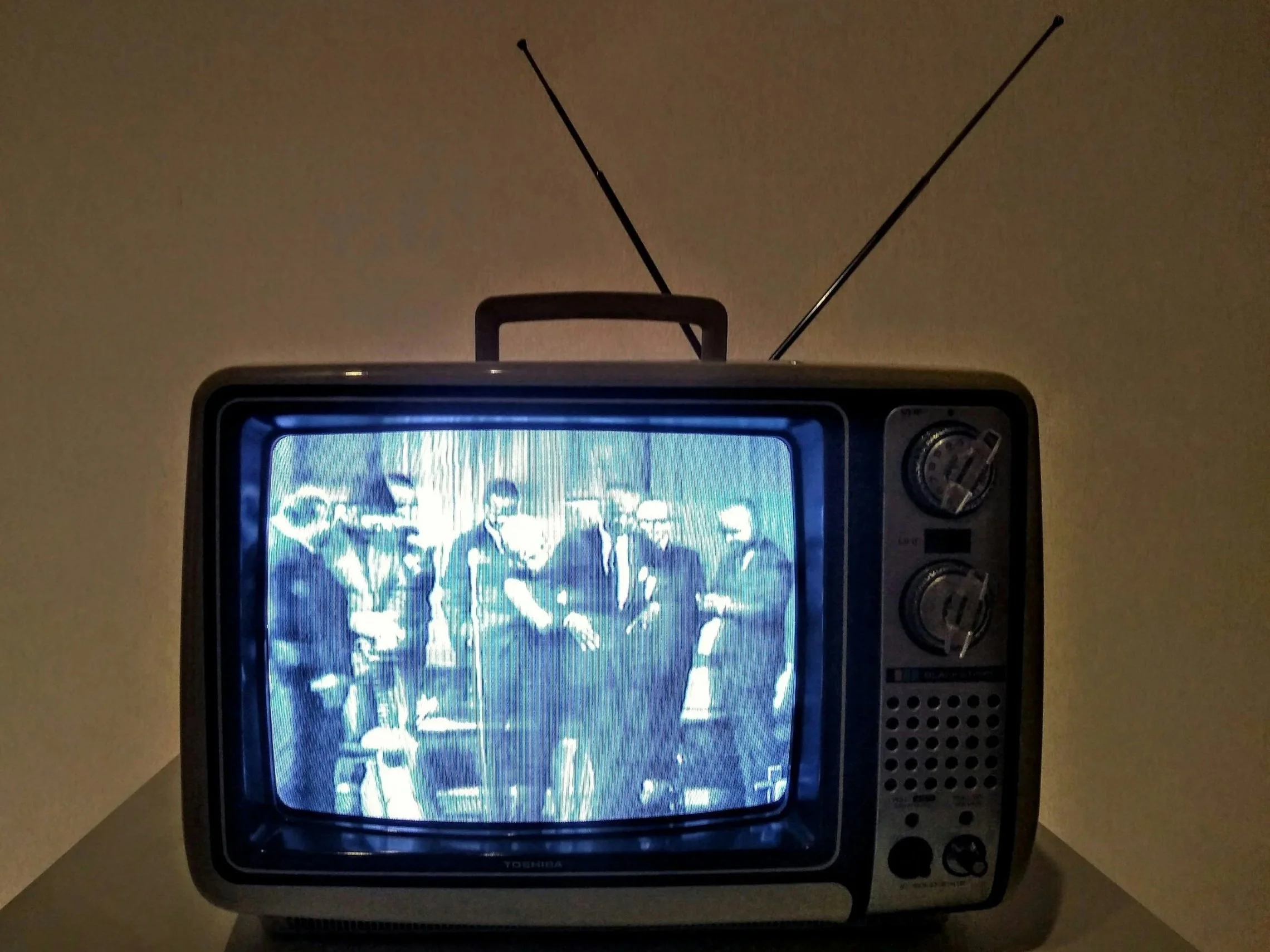
I am a strong advocate for the analog. I think music sounds better when on vinyl, pictures taken with my second-hand film camera are more charming, and my Omni-84 is a beast of an analog synth. What links these things together? The tactile, physicality of them all. Studying writing through my undergrad and my Master's left me with stacks of physical literature lining my shelves, but like many, I seldom open them. How tasteless! I can hear that one professor I had for Gothic Lit (who always pronounced French words heinously wrong) yelp—What a waste!
Similar to other media, there is discourse surrounding the value of physical literature versus different literary modalities.
I love reading, but due to my neurodivergence, sitting down to read is extremely challenging. It feels like I’m holding my breath underwater. I think about raw-dogging reading as a sort of sport, of consciously consuming each line before I inevitably start thinking about grocery shopping or the chores on my to-do list.
ADHD makes it so that I have a larger need for tactile sensory input in order to focus. If you saw me at a café, you might think there was an active earthquake, the way my leg shakes, vibrating the table and chairs around me. The juxtaposition of physical intensity with my generally chill and low-energy personality is pretty stark.
The coping mechanism I use in social and professional settings presents as repetitively moving my hands to focus and retain information. It's to the point now where I can’t do one thing without the other. I need my crochet to watch Twin Peaks with my roommates. I need to listen to someone divulge their experience leaving the Church of Latter-day Saints in order to paint.
How do you read when staying still is torturous? Enter, my Lord and Saviour, the Video Essay.
One thing gained by the video essay modality is the audio’s ability to enhance tone. It’s like watching a poet read their own work versus hearing it read aloud by someone else. You get a unique chance to experience the author’s specific cadence, rhythm, and mood. That intimacy is extremely valuable.
Being able to consume literary media while doing other things has really opened things up for me in terms of accessibility. On a non-medicated day, I can still engage in questions, ideas, and analysis — for work or for leisure— without feeling like my skin is crawling.
A lot of people listen to video essays while doing other things, like chores. Because my eyes are fixed upon whatever I’m twiddling with, my video essay consumption is mostly auditory, especially if I need to follow a pattern while crocheting. Most of the time, it can be hard for me to tell the difference between a video essay and an audiobook.
Some video essayists, like Philosophy Tube, make the visual aspect of their video essays a whole production, with elaborate backgrounds, costumes, and editing. It can be incredibly charming in the same way that musicians, like Chappel Roan, can make their performances visually detailed. Sometimes, video essayists just use their computer microphone and webcam. I still think they are all interesting in the same way that some musicians just show up with an acoustic guitar and their voice. The visual production can be secondary as long as the content is strong.
But similarly to a lot of other things, purists in academia have a particular way that they feel learning and retention should happen. There is a particular way that “listening” looks like, a particular way to read. And if you don’t match that specific learning style — good luck.
In 2016, Beth Rogowsky published a study where she researched retention of information using different reading modalities. The first group of participants listened to audio recordings of a book, the second group read portions on an ereader, and the third did both simultaneously. She then quizzed them and found no significant differences in comprehension between reading, listening, or reading and listening simultaneously.
In an article by Time Magazine debating the auditory versus physical reading modalities, Rogowsky said, “‘I was a fan of audiobooks, but I always viewed them as cheating’”. Though Rogowsky’s statement was likely lighthearted and was later proven baseless by the study, it holds a lot of weight for me. This idea of different modalities of reading being connotated with cheating is something that is pretty widespread in literary culture, especially academia.
You wouldn’t say that someone didn’t read something correctly because they read it using Braille or sign language. So why would someone liken consuming literature auditorially to“cheating?”
The perception of auditory reading as cheating may seem trivial, but it has affected me greatly throughout my higher education. I’ve had professors who cannot grasp that auditory modalities increase my ease of consuming and retention of information, because it does not align with their personal experiences and perceptions. There have been multiple situations in which I was graded down because a professor perceived my accessibility needs as an act of defiance. Educators have ideas about what listening looks like, what focusing looks like, and what learning looks like, and if that doesn’t align with a student’s personal learning style, it can be perceived as defiance, rather than difference.
Video essays are such a unique form as they carefully fold together academic thought with contemporary trends, art forms, and experiences. Never before have I had the ability to listen to an essay on “The Crazy History of the Hair Loss Industry”, which puts the literature of H.G. Wells and contemporary film, Bugonia, in conversation with each other, or a comparison of the relationship of authors Wild & Stoker compared to Lorde and Charli XCX beef for free, at the press of a button.
All literary forms are valuable and can exist in harmony. There is absolutely a time and a place for reading physical books in my life; I have shelves lined with them. But learning does not always have to feel like running a marathon, and I wish I had been encouraged to figure out what works for me instead of flailing for so long.
I feel that the devaluation of non-physical literature is unwarranted when one views it from a stance of accessibility instead of purist notions. These contemporary forms of literature should be regarded as a valuable, educational, and artistic resource. Audio books and video essays are a unique gateway into conversations surrounding the most niche and the most broad topics in film, literature, culture, and the humanities.
And if you’re me, they are the most accessible way.