Second
Thoughts
A home for personal meditations, critiques of art and literature, politics, sketches, and deconstructions that dive beneath the surface of thought. Experiment with form here, relate with current events, read and talk about a book you’ve never read or perhaps want to read, and criticize something, anything, everything.
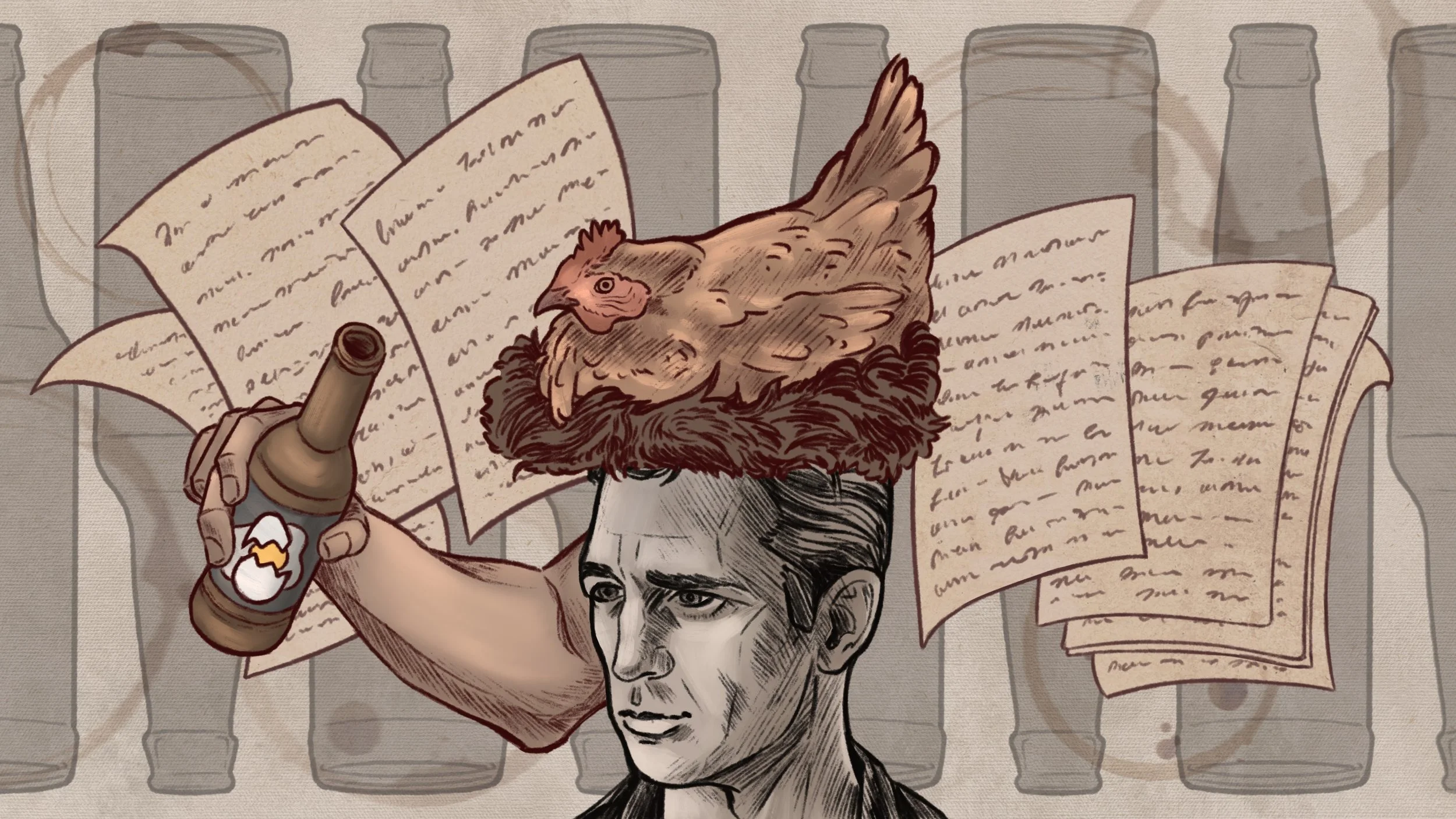
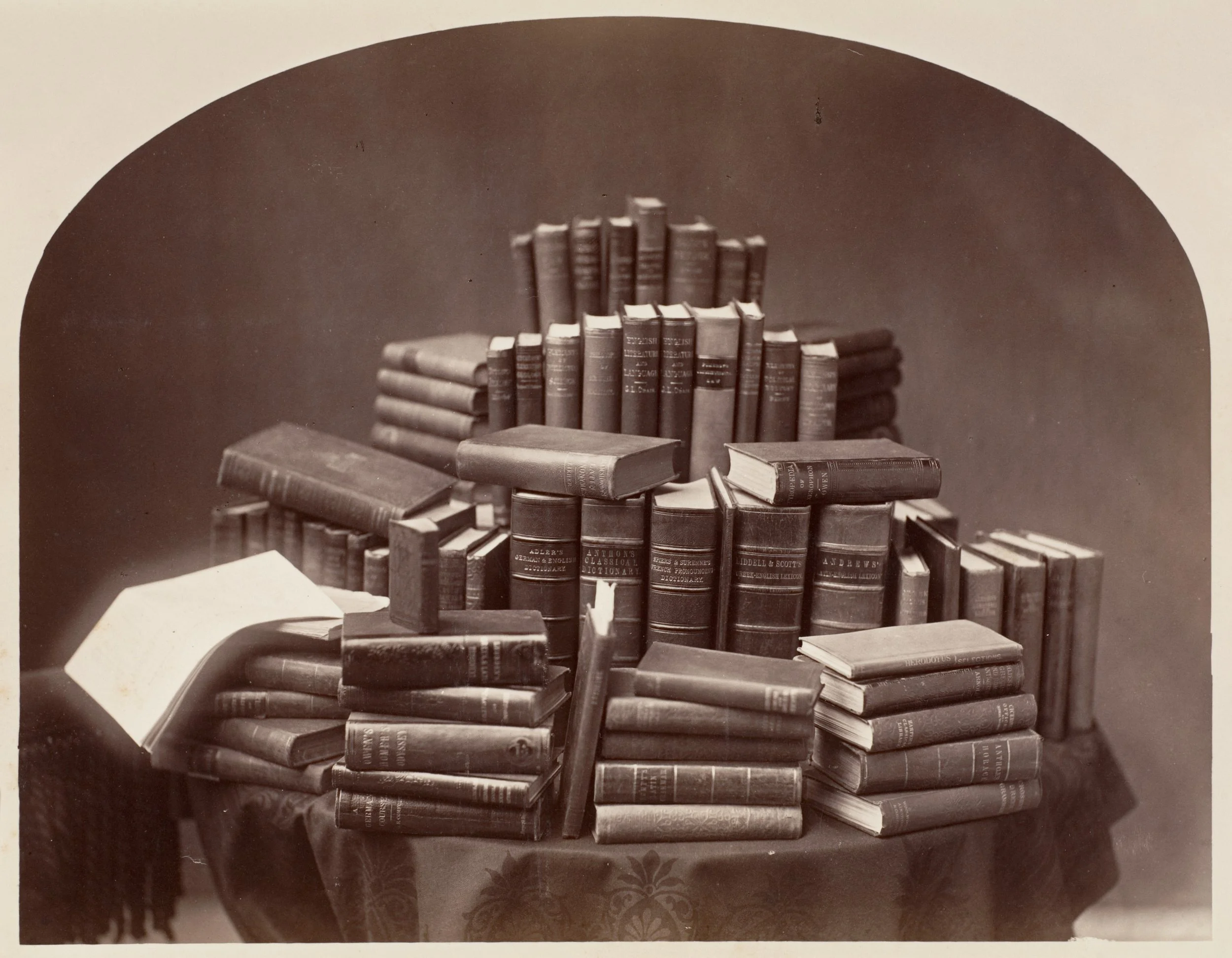
I am a strong advocate for the analog. I think music sounds better when on vinyl, pictures taken with my second-hand film camera are more charming, and my Omni-84 is a beast of an analog synth. What links these things together? The tactile, physicality of them all. Studying writing through my undergrad and my Master's left me with stacks of physical literature lining my shelves, but like many, I seldom open them. How tasteless! I can hear that one professor I had for Gothic Lit (who always pronounced French words heinously wrong) yelp—What a waste!
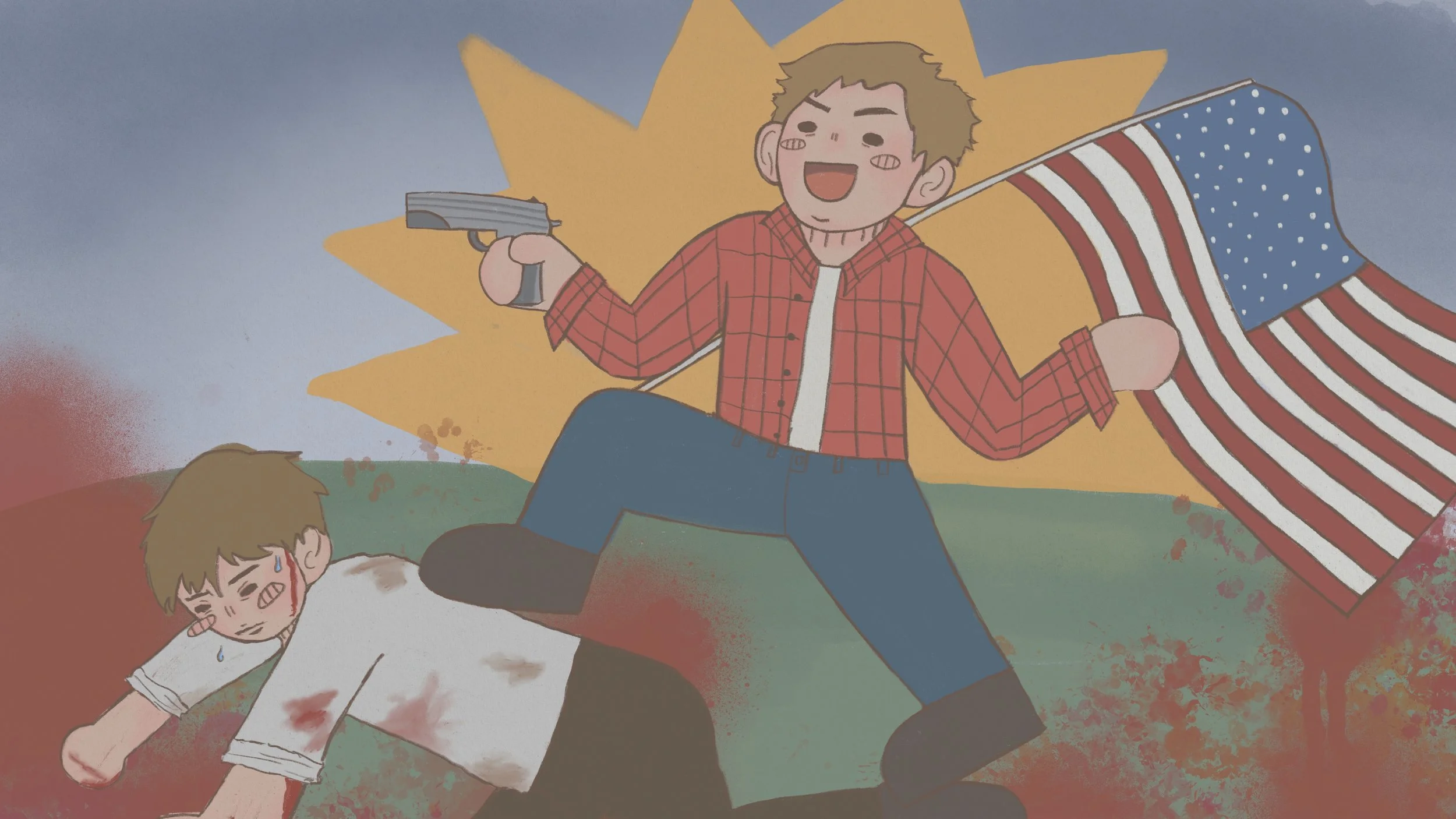
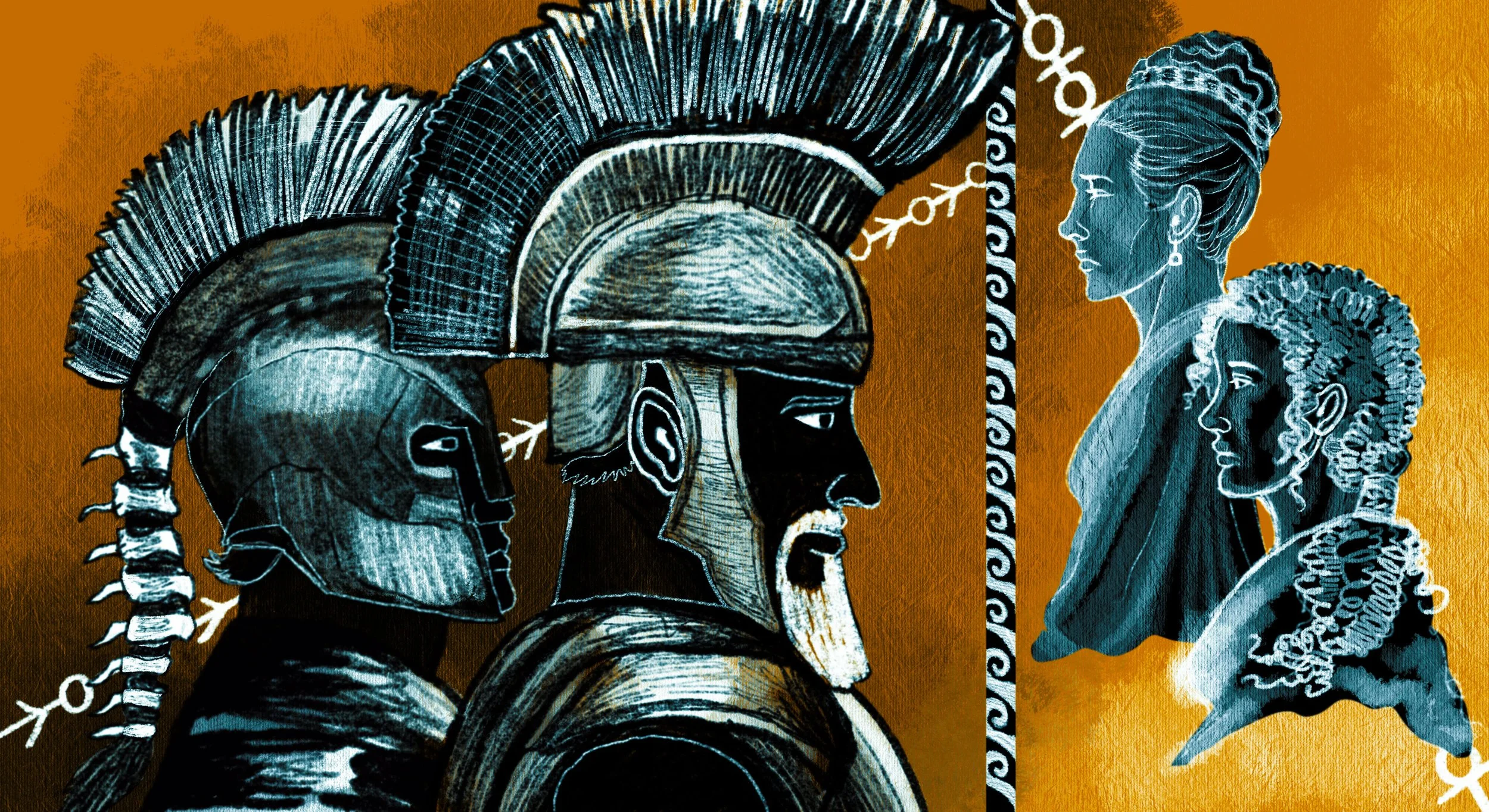
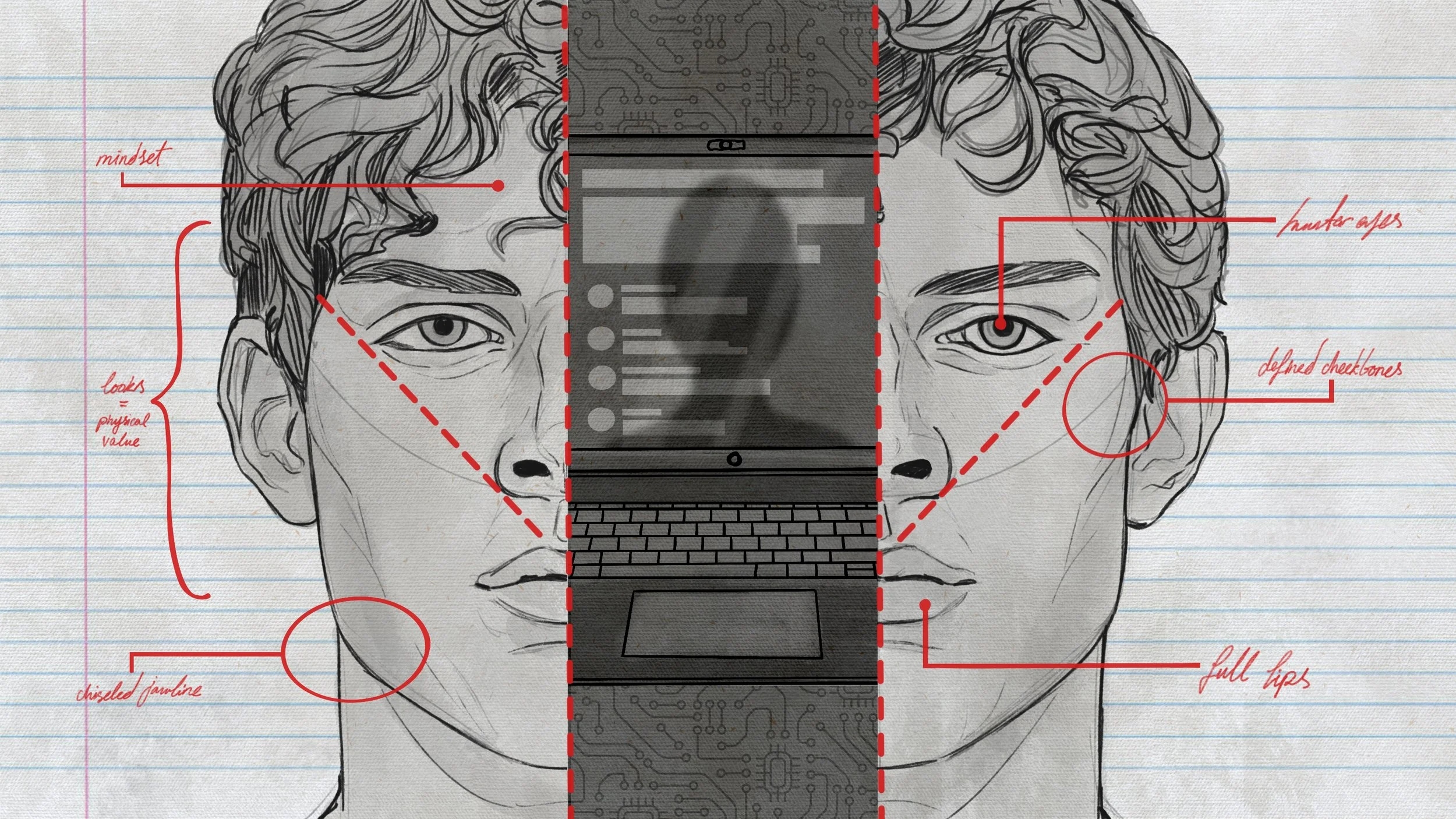
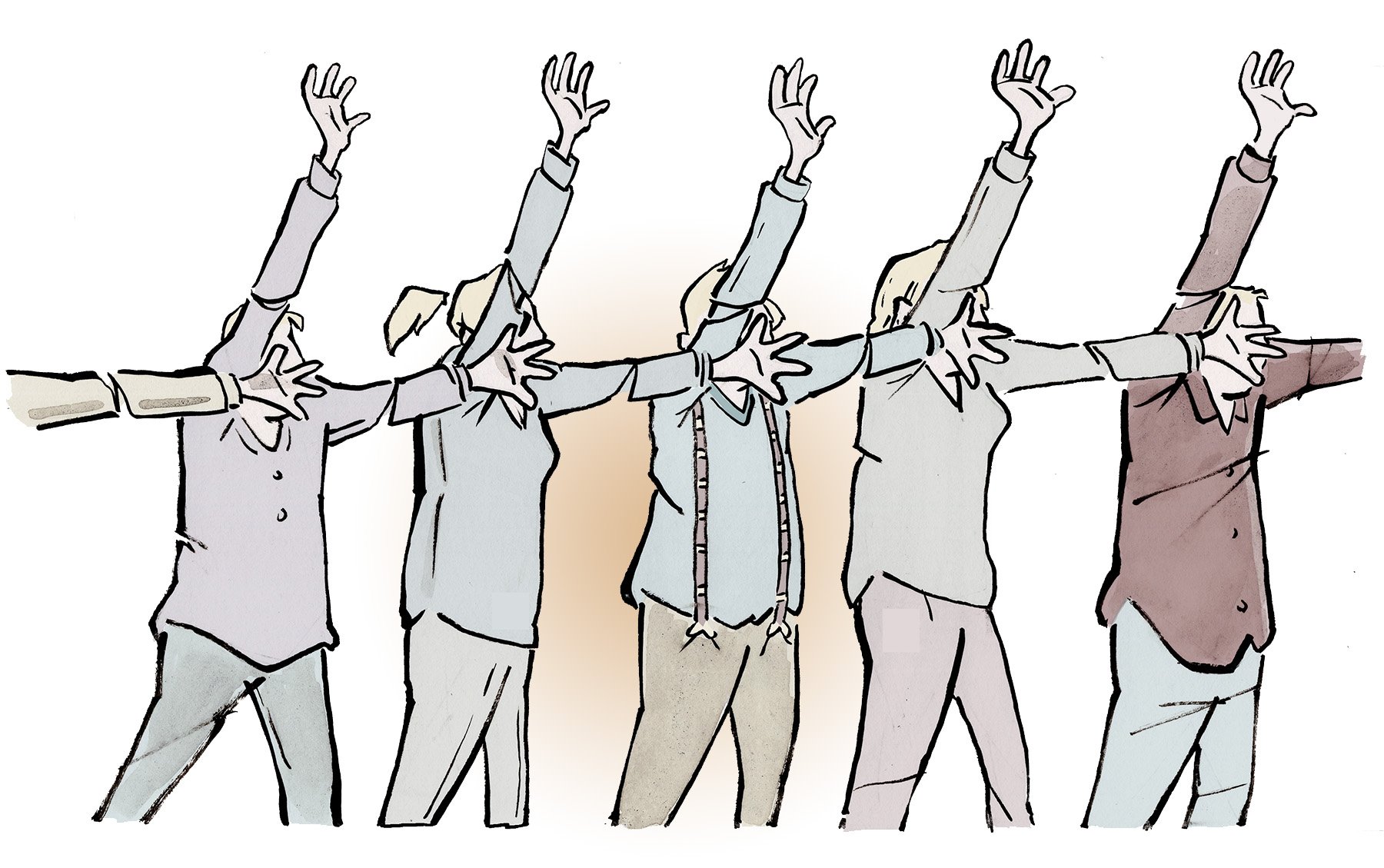
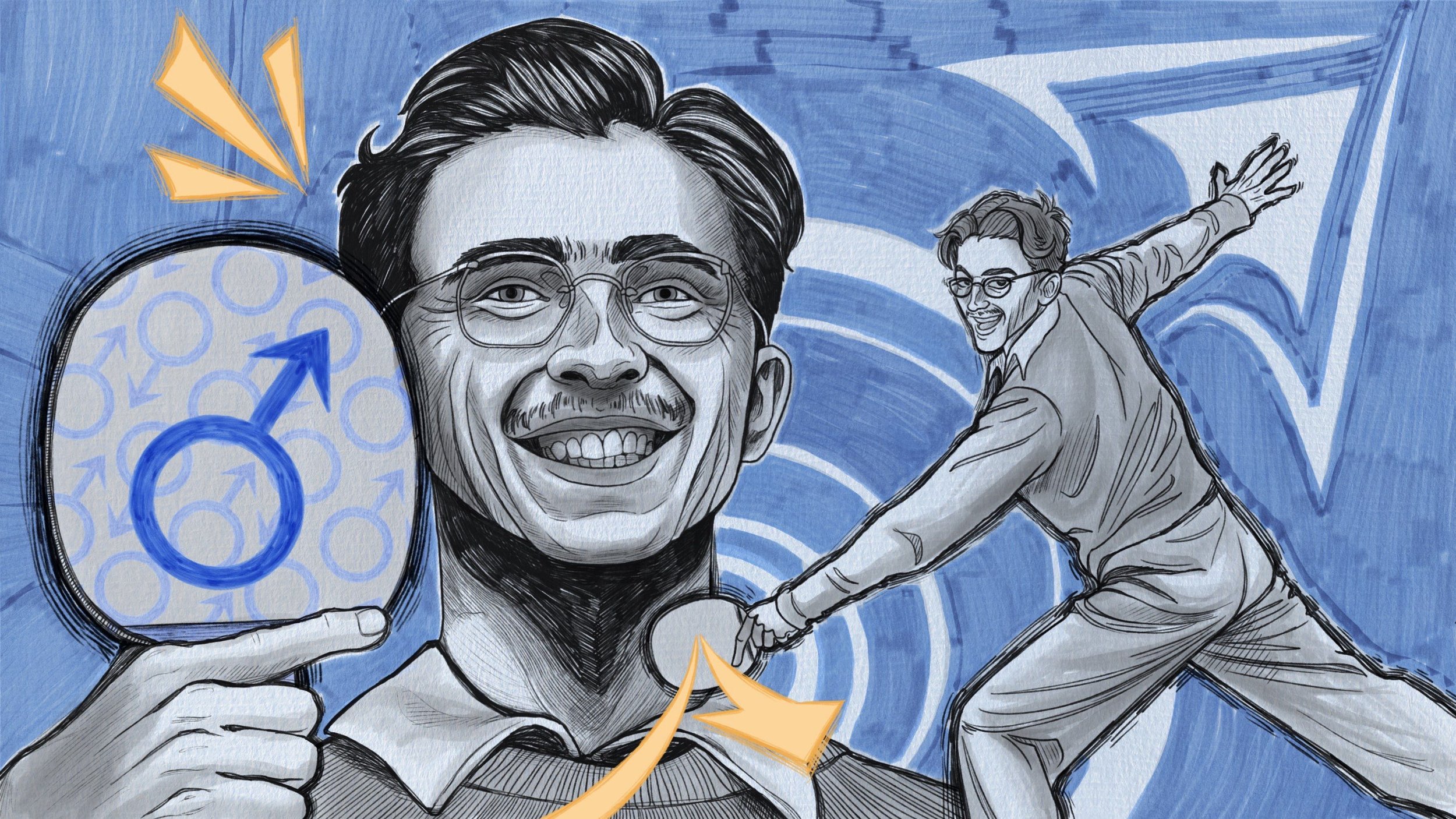
The 2000s ushered in a progressive discussion on gender and sexual orientation and has since challenged social signifiers of what it means to be a man. It has thrown confusion into a vat of insecurity for those whose identity rests in material, surface level traits. In an effort to combat this, conservatives have reclaimed antique signifiers to masculinity; manliness has been pushed to the extreme. Any hint of emotionalism, the acceptance of women as equals, or physical weakness is considered a betrayal to the inherently ‘masculine.’
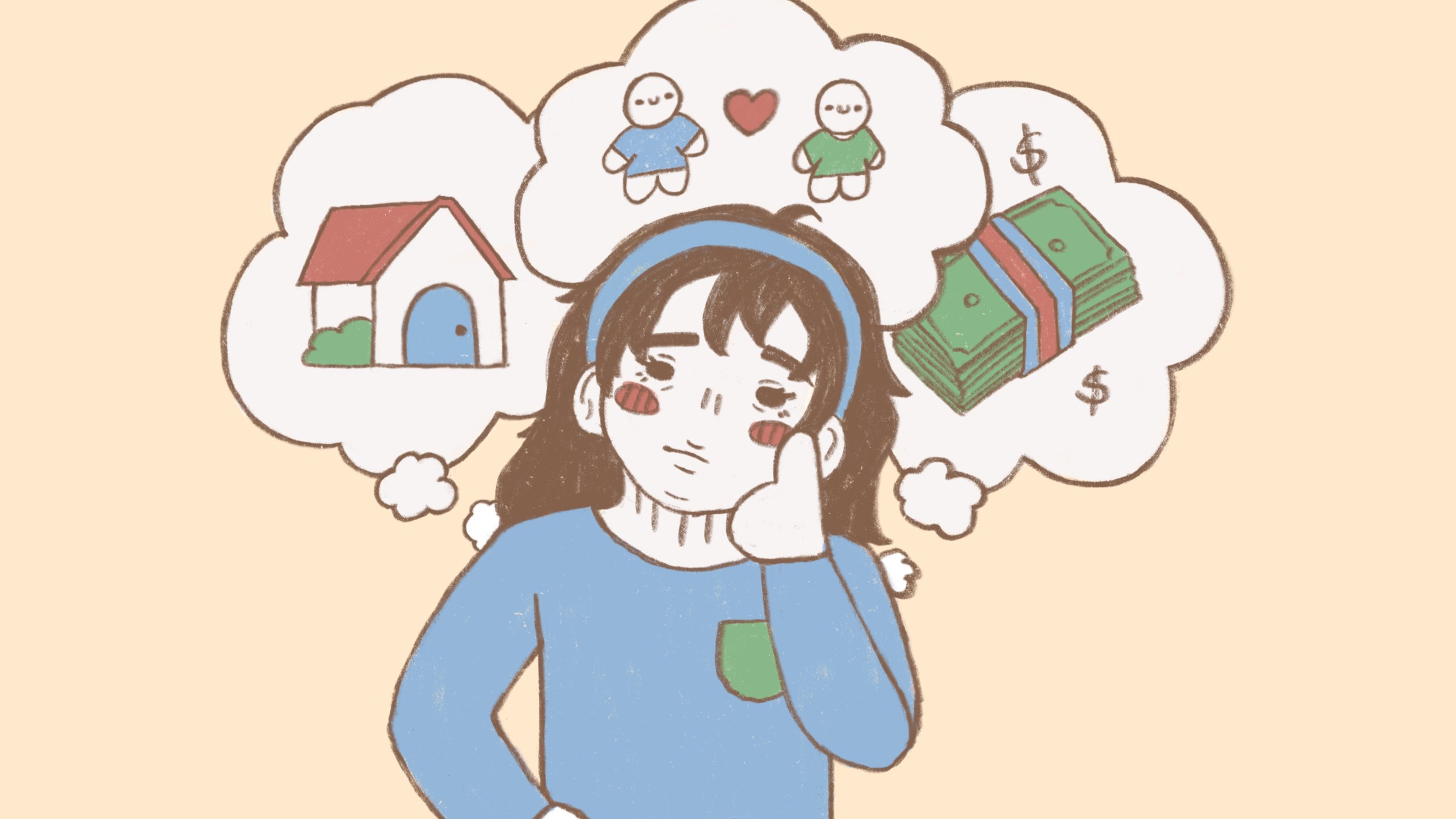
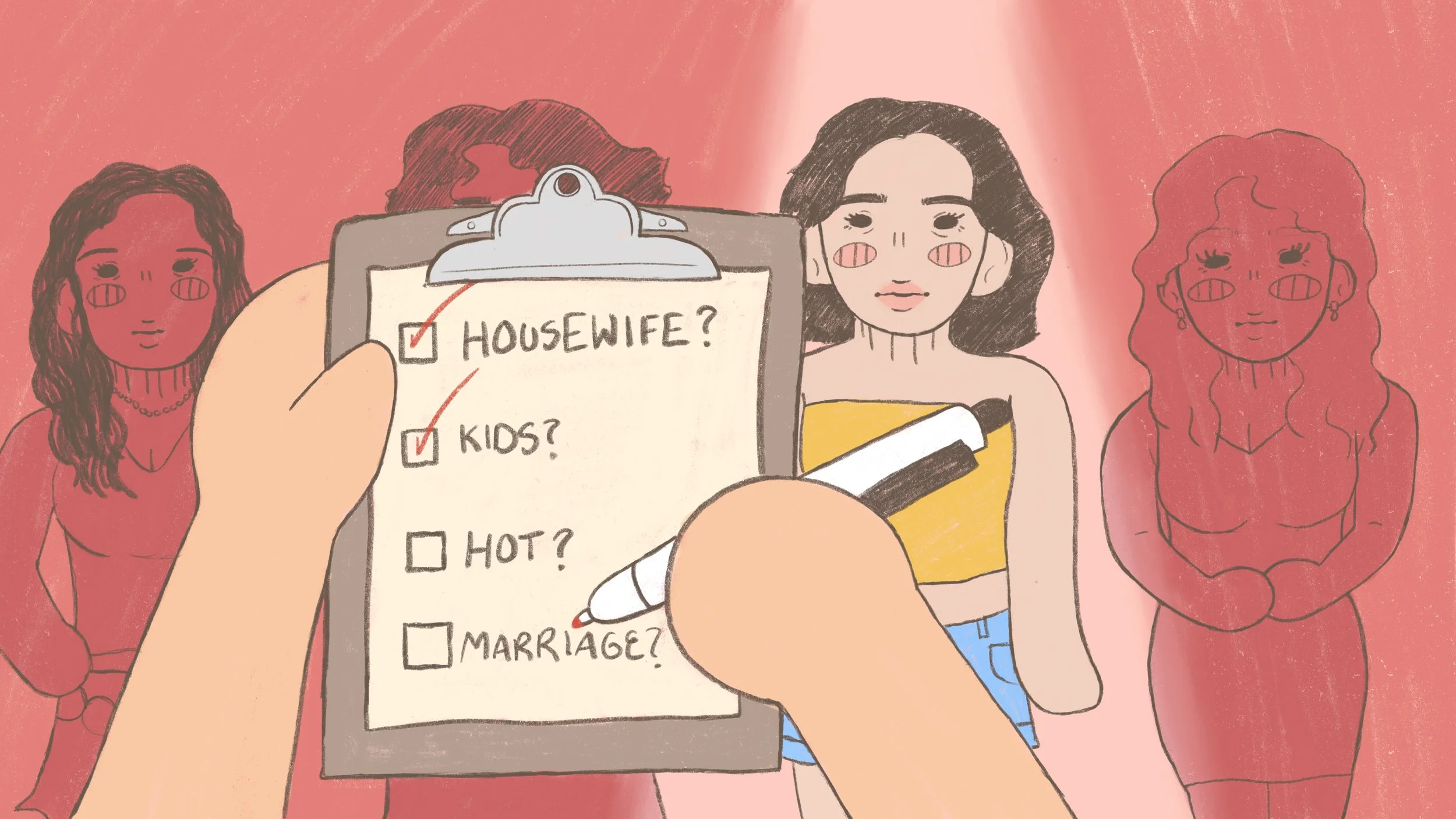
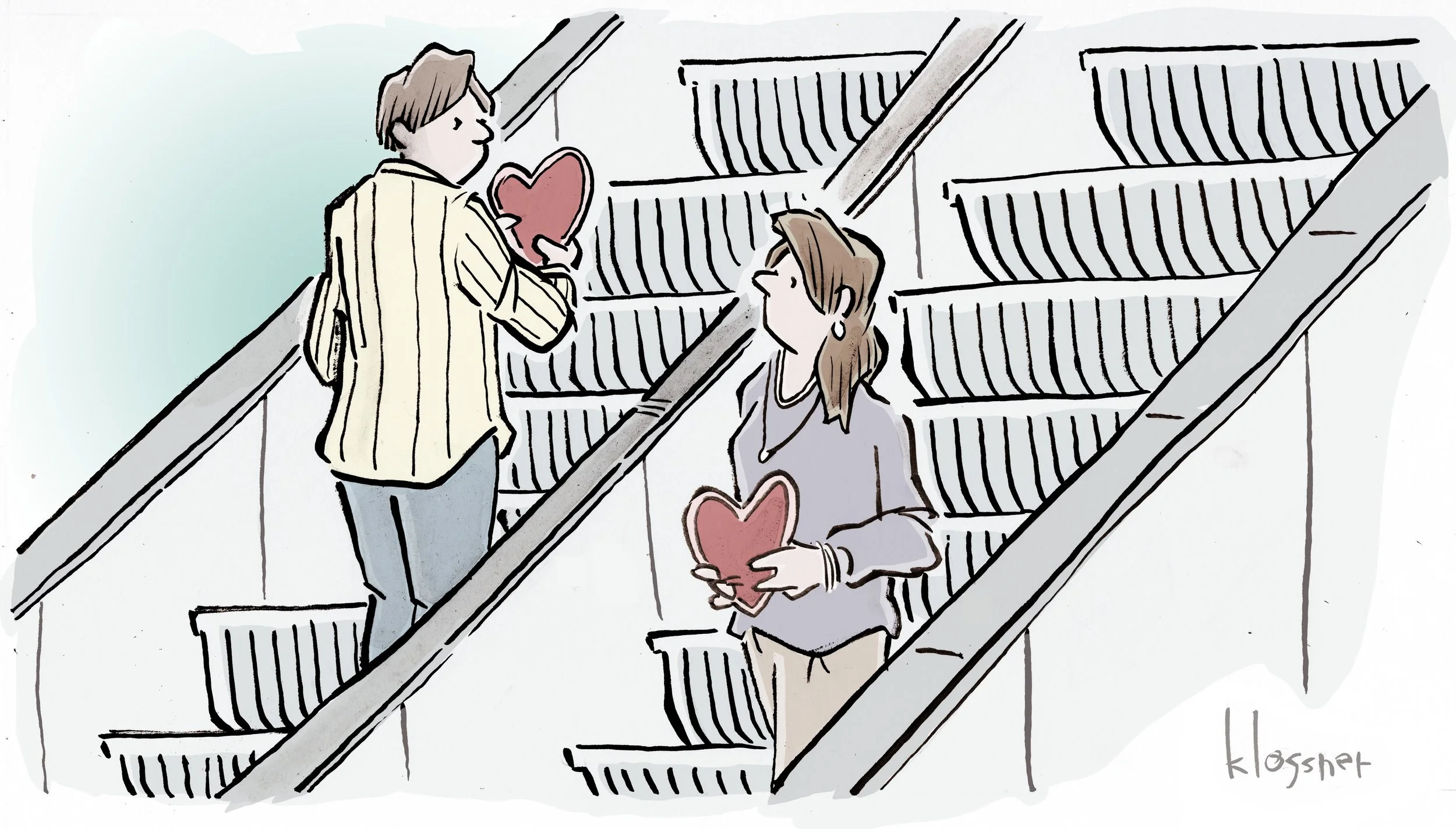
Real commitment used to lead to milestones. A marriage, a mortgage, a job, a new city. These were all declarations, not just one-off choices or premeditated decisions. Today, permanence feels less like security and more like risk: to our identity, our autonomy, our finances, even our sense of self—especially as a woman who has been told both to settle and to have it all.
Fair warning, this essay is not nostalgic for compulsory marriage or shrinking yourself to fit into someone else’s script.
Published in November 2024, American Bulk: Essays on Excess includes essays on American consumerism. Hinging on different connotations of excess and consumerism, and digging into her personal and familial dynamics, habits, and experiences, Emily Mester covers an impressive amount of ground in American Bulk.
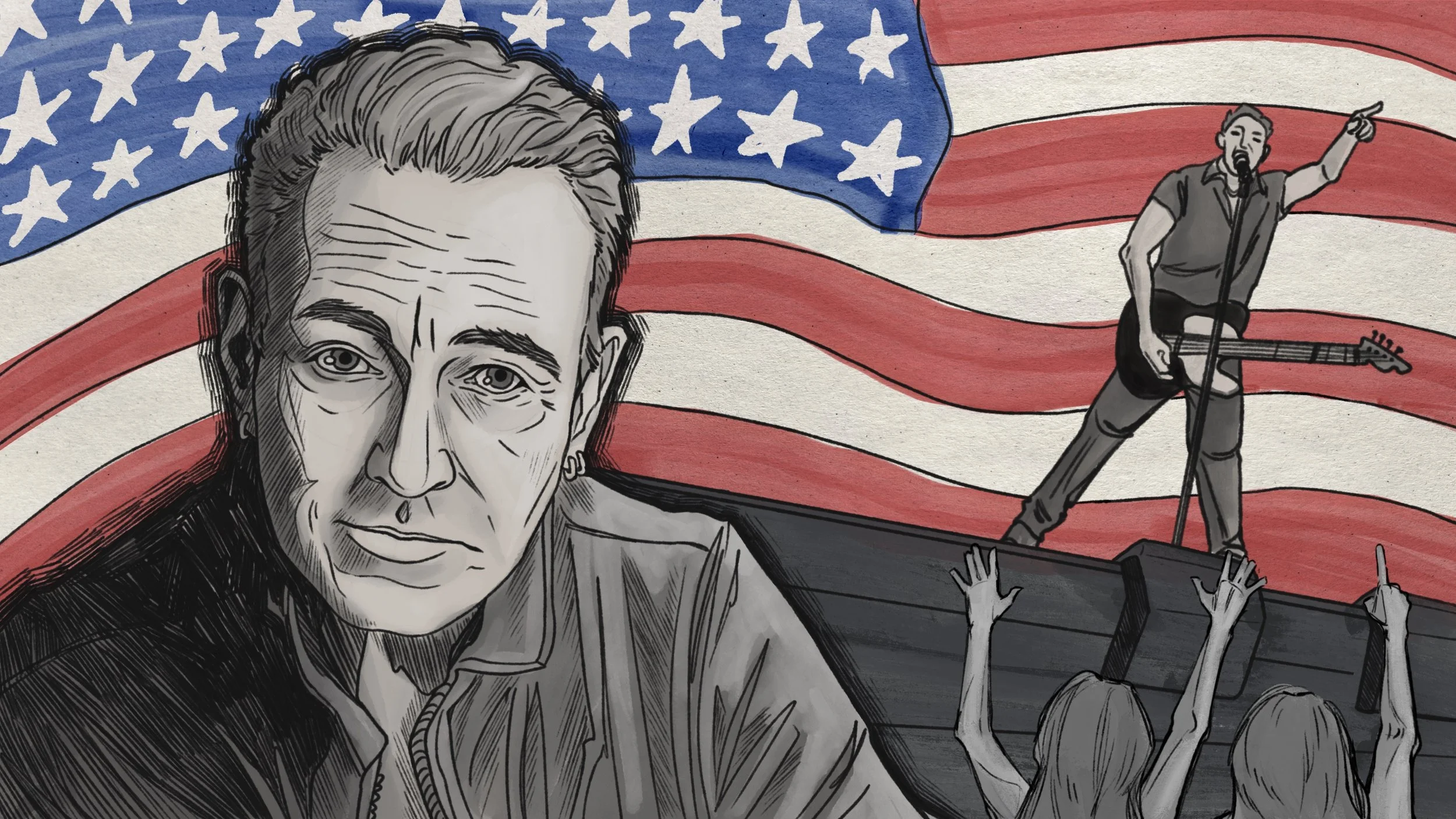
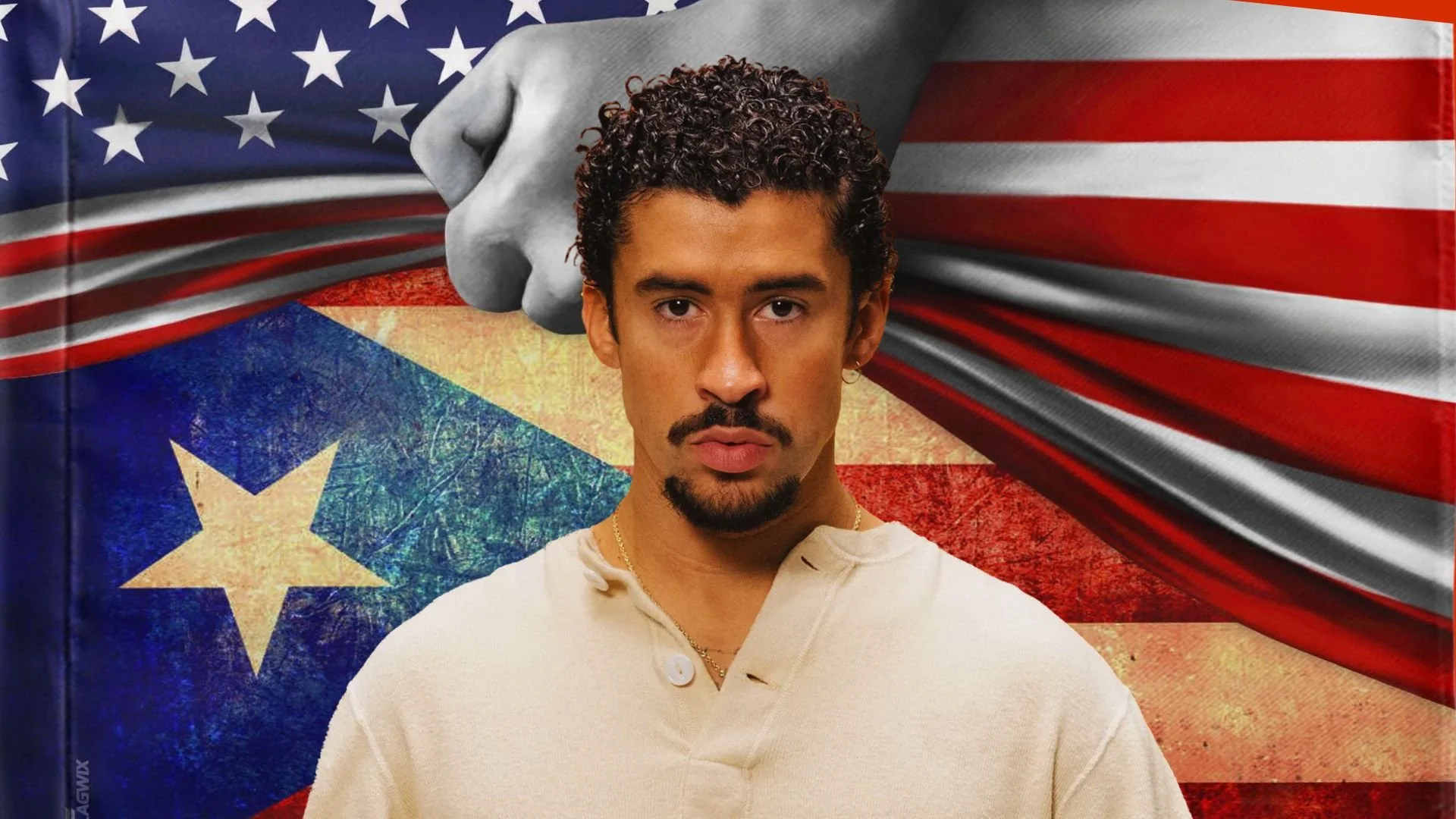
Inside a community center at Allentown, Pennsylvania, the Working Families Party (WFP) organized a watch party for the Super Bowl half time show for groups of migrant families—only one of many around the country. The air was heavy with anxieties of a possible ICE raid as people huddled around one screen to watch a great American artist perform. This is not an excerpt from Orwell’s 1984, or a 21st century fiction retelling of World War II. This was two weeks ago in the U.S.
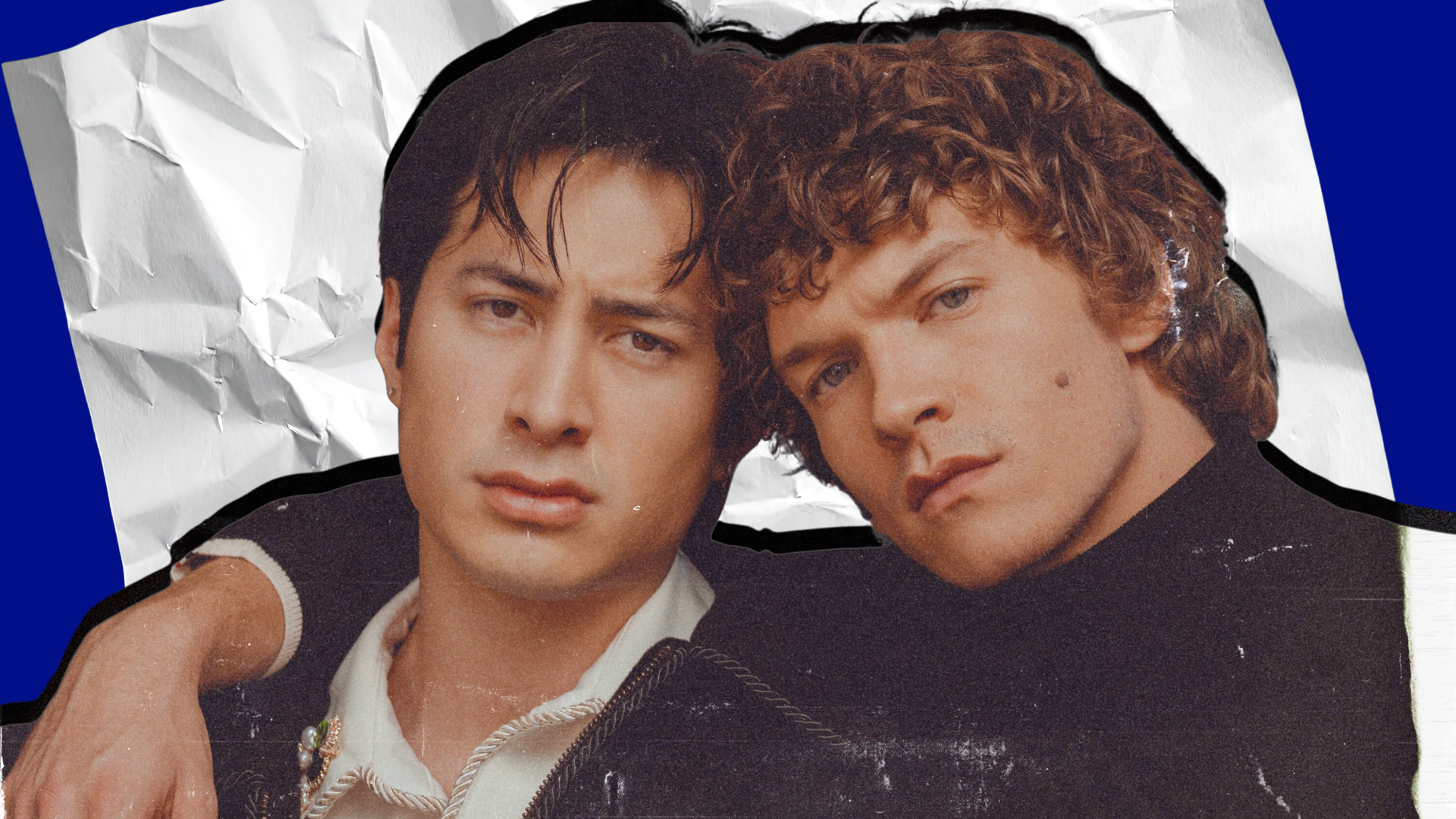
For many, myself included, the show feels like it saved our 2025. The show is first and foremost a romance, documenting the nearly ten-year love affair between pro hockey stars Shane Hollander and Illya Rozanov. The two main characters struggle to keep their attraction to each other a secret from the world and from each other. For hockey fans like myself, the commentary about the current state of the NHL is glaringly obvious: as of 2026, there has never been an openly queer NHL player, active or retired.
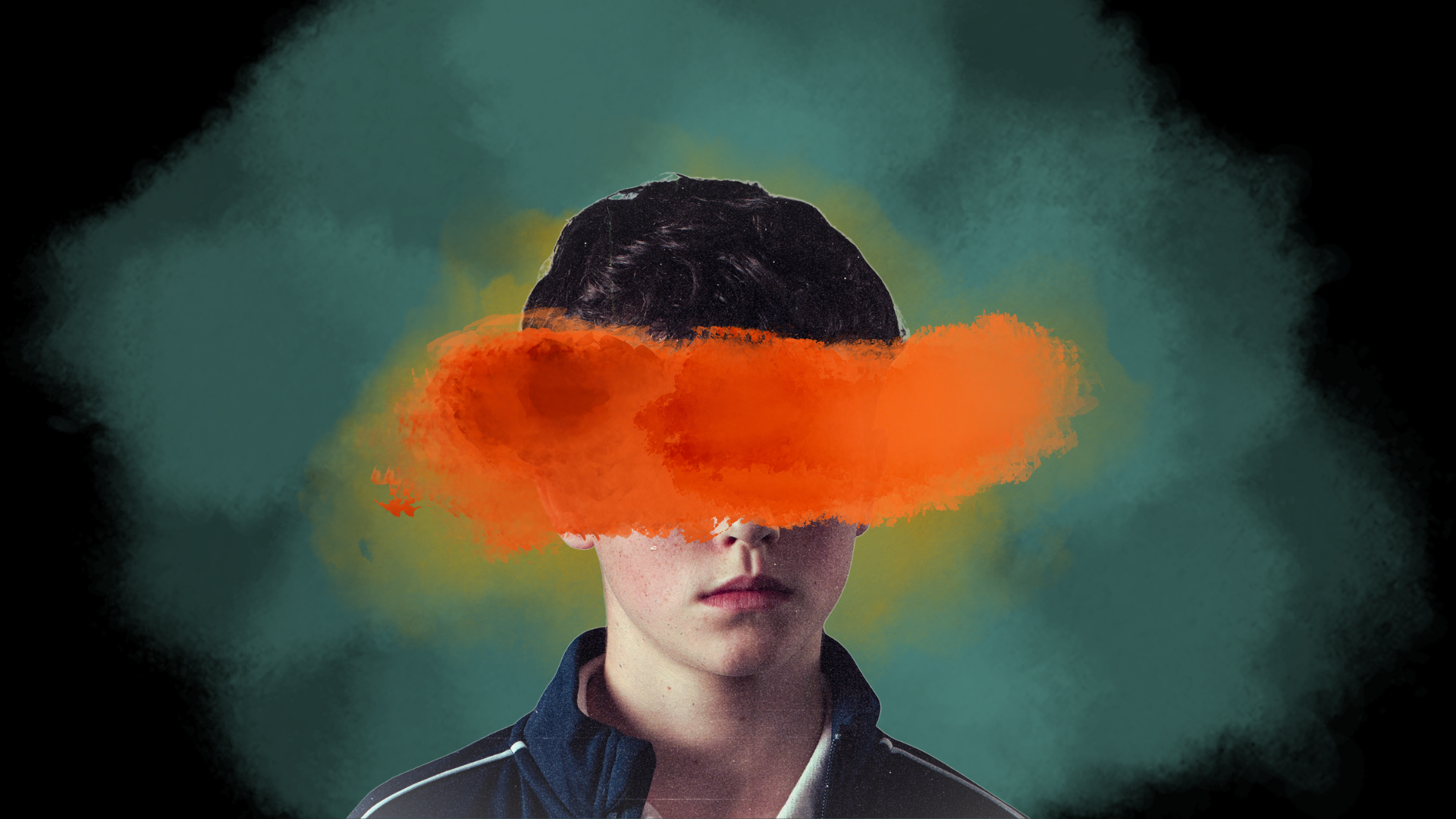
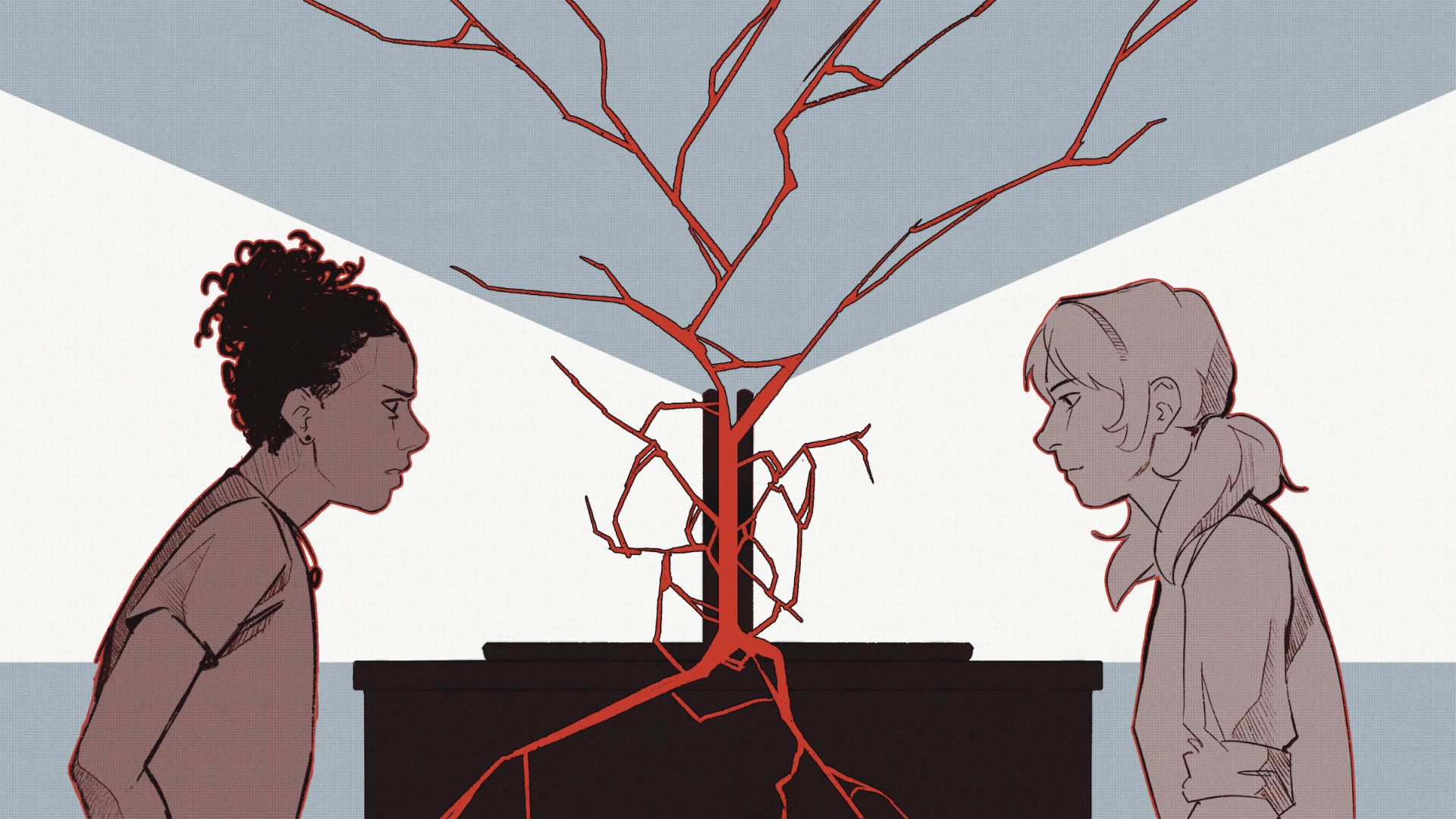
One Black eighth grader was in the middle of pleading against her school's potential closure when Allyson Friedmans’ voice, unmuted on the call, boomed through. “They’re too dumb to know they’re in a bad school,” said Friedman, an associate professor of biological sciences at CUNY Hunter College, where 11.5% of the undergraduate students are Black. “I mean, apparently Martin Luther King said it, like if you train a Black person well enough, they'll know to use the back, you don't have to tell them anymore."
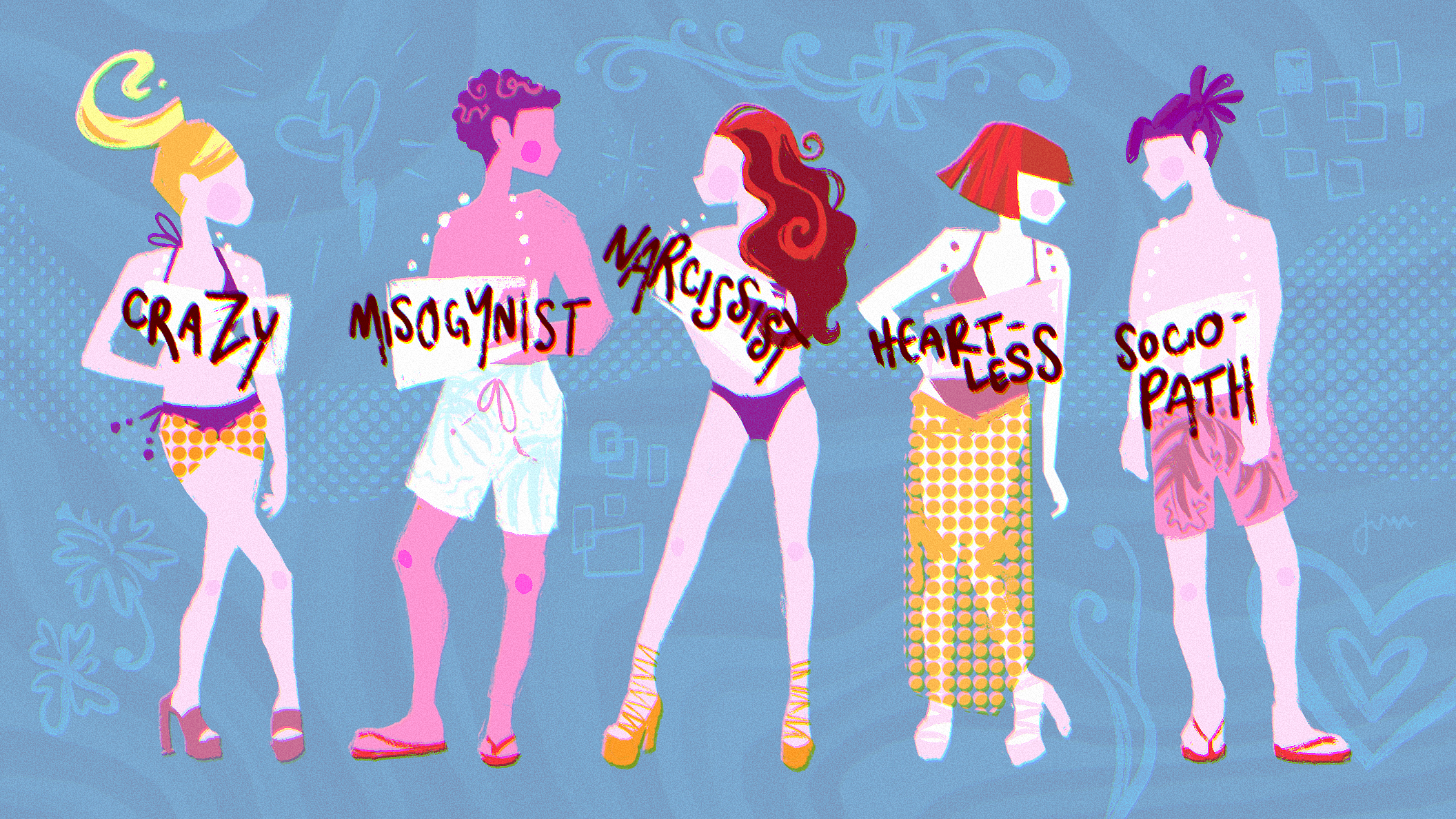
From time to time, someone decides to resurrect the same debate about 500 Days of Summer (2009): was Summer the villain, or was Tom simply delusional? The response to that question rarely changes. Summer is perceived as a cold, evasive witch who purposely misleads poor Tom, while Tom is defended as a romantic, perhaps naive, but well-intentioned good guy. The framing of that narrative is quite unsurprising, almost expected, because it provides the natural urge to assign fault cleanly; a way to make sense of a dramatic, romantic split by assigning one person the role of the wrongdoer and the other the role of the one wronged.
For many, myself included, the show feels like it saved our 2025. The show is first and foremost a romance, documenting the nearly ten-year love affair between pro hockey stars Shane Hollander and Illya Rozanov. The two main characters struggle to keep their attraction to each other a secret from the world and from each other. For hockey fans like myself, the commentary about the current state of the NHL is glaringly obvious: as of 2026, there has never been an openly queer NHL player, active or retired.
Real commitment used to lead to milestones. A marriage, a mortgage, a job, a new city. These were all declarations, not just one-off choices or premeditated decisions. Today, permanence feels less like security and more like risk: to our identity, our autonomy, our finances, even our sense of self—especially as a woman who has been told both to settle and to have it all.
Fair warning, this essay is not nostalgic for compulsory marriage or shrinking yourself to fit into someone else’s script.
Last summer, I finally made the drive up from Philadelphia to Centralia. Reddit posts warn that little draw remains. Gone are the pits spewing white smoke that Bill Bryson described in A Walk in the Woods while commenting that Centralia is “the strangest, saddest town I believe I have ever seen.” The stretch of Route 61, cordoned off due to the fires and transformed by taggers into a shifting canvas affectionately named "Graffiti Highway,” was buried in 2020.
The 2000s ushered in a progressive discussion on gender and sexual orientation and has since challenged social signifiers of what it means to be a man. It has thrown confusion into a vat of insecurity for those whose identity rests in material, surface level traits. In an effort to combat this, conservatives have reclaimed antique signifiers to masculinity; manliness has been pushed to the extreme. Any hint of emotionalism, the acceptance of women as equals, or physical weakness is considered a betrayal to the inherently ‘masculine.’
Inside a community center at Allentown, Pennsylvania, the Working Families Party (WFP) organized a watch party for the Super Bowl half time show for groups of migrant families—only one of many around the country. The air was heavy with anxieties of a possible ICE raid as people huddled around one screen to watch a great American artist perform. This is not an excerpt from Orwell’s 1984, or a 21st century fiction retelling of World War II. This was two weeks ago in the U.S.
Gravity’s Rainbow is about a lot of things. It explores paranoia and conspiracy, culpability and morality. And all of this is set against the backdrop of Europe before, during, and directly after World War II. It’s dense and disturbing and devastating and somehow hilarious. It’s also all about plastic and how evil it is.
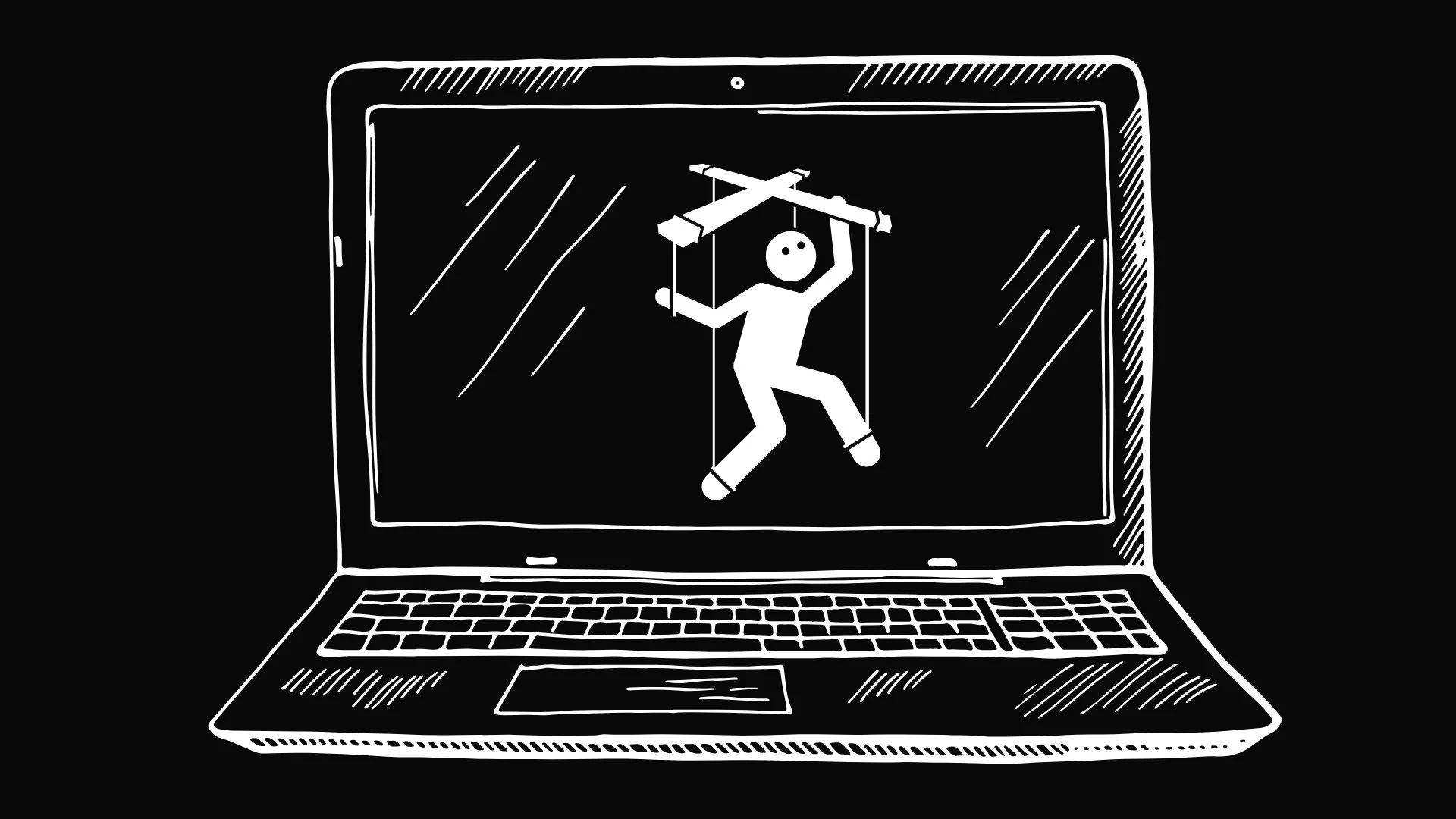
We live in an age of information abundance. Open any social media, any news (I use that term liberally) website, any Google search, and you’ll notice the overwhelm of informational noise. With so much distraction, it’s vital that our students learn to discern between trustworthy and untrustworthy sources and to reflect on how bias and motive can influence the information they consume. Without getting into specifics, we’ve seen the faltering of this skill taken to extremes in recent years—people falling victim to disinformation without considering the incentives or motivations behind their consumption.
The essay I was working on was inspired by N+1’s really excellent polemic editorial titled, “Large Language Muddle.” Part cultural commentary and part call to arms, the editorial rails against the creep of generative AI in society and posits an alternative approach straight out of the Luddites’ playbook. It was empowering. I was so ready to write my own screed against generative AI; I’d argue that it was the natural progression of the focus-group forged and hyper-managed style of communication so many of us find ourselves confined to upon entering the professional sphere. I’d deride the hellscape that is LinkedIn and the strange pseudo-human, algorithm-serving language it requires us to use.
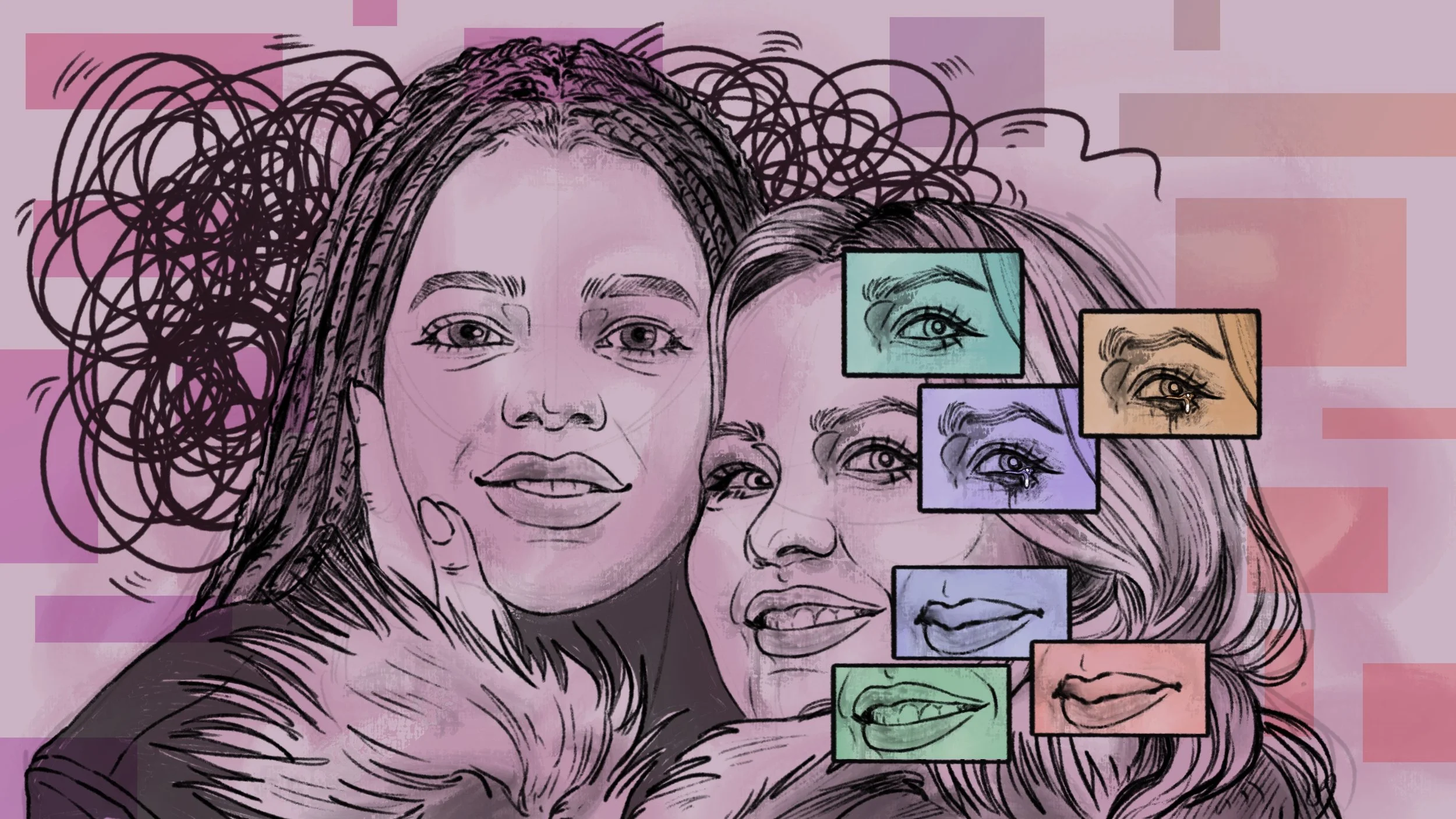
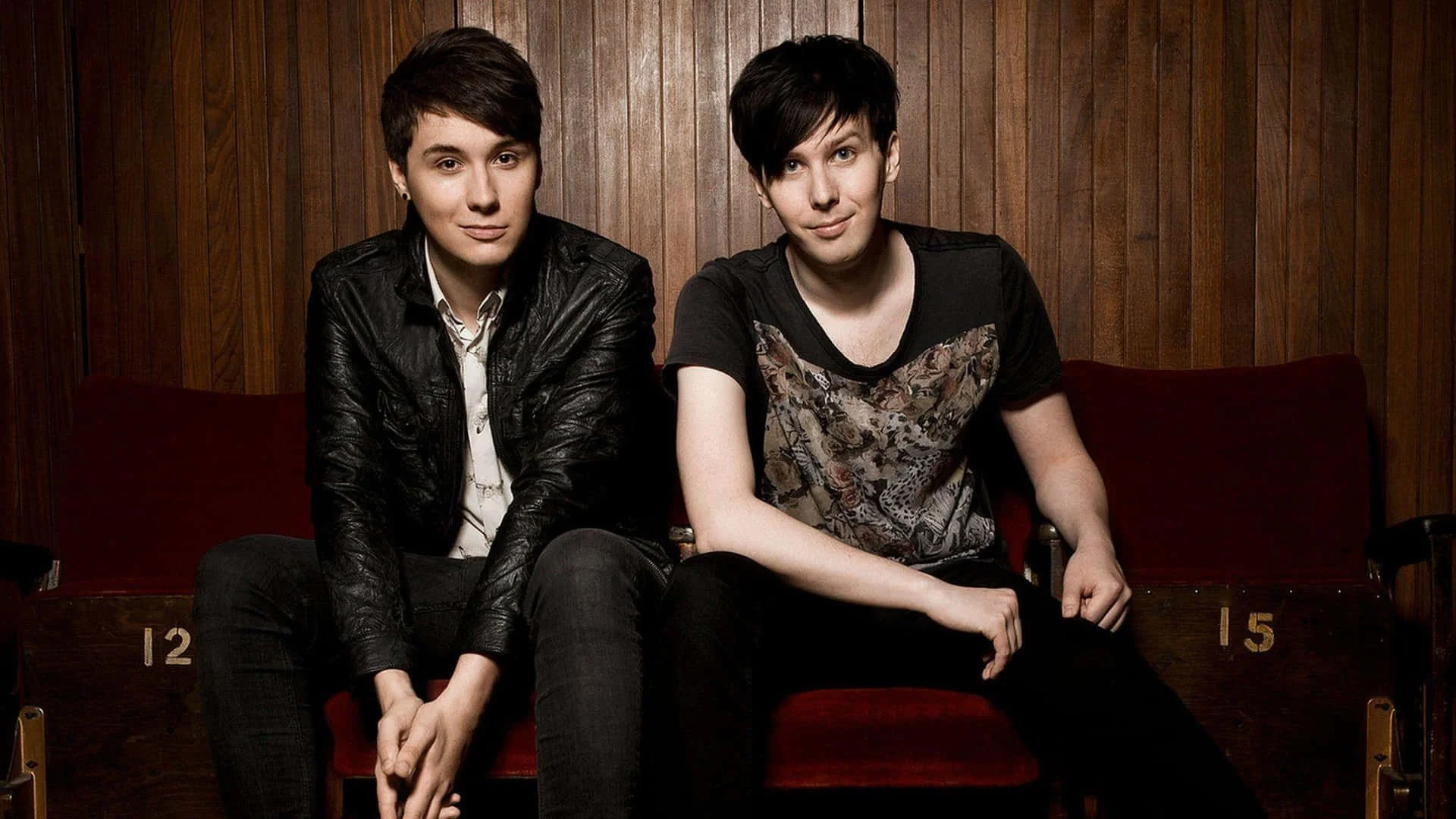
In a touching video essay, the two not only discussed the profound impact they have had on each other's lives but also the struggles that had accompanied the years of keeping their relationship private. This was a step forward for them–after many years, they were shedding the burden of secrecy while still maintaining a level of privacy, highlighting their complex relationship with parasociality.
I am a strong advocate for the analog. I think music sounds better when on vinyl, pictures taken with my second-hand film camera are more charming, and my Omni-84 is a beast of an analog synth. What links these things together? The tactile, physicality of them all. Studying writing through my undergrad and my Master's left me with stacks of physical literature lining my shelves, but like many, I seldom open them. How tasteless! I can hear that one professor I had for Gothic Lit (who always pronounced French words heinously wrong) yelp—What a waste!
Netflix paved the way, inviting viewers to view films on demand and in innumerable amounts, from the comfort of their own homes. It was no longer necessary to buy tickets, organize plans, and make the drive to your local cinema. Just sit on the couch, sift through options, pick one, and turn it off if you don’t enjoy. That last bit was the killer.
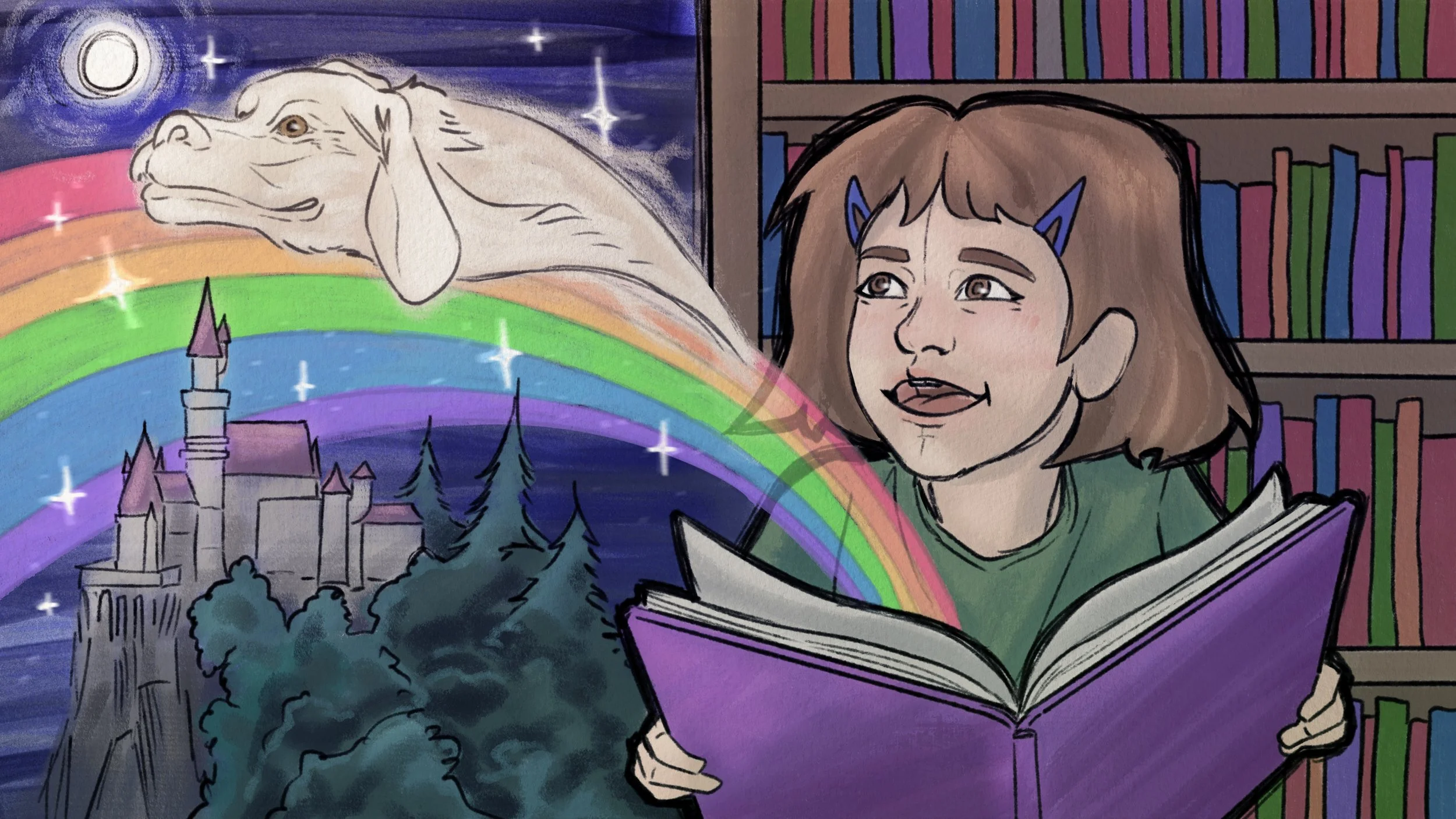
Gravity’s Rainbow is about a lot of things. It explores paranoia and conspiracy, culpability and morality. And all of this is set against the backdrop of Europe before, during, and directly after World War II. It’s dense and disturbing and devastating and somehow hilarious. It’s also all about plastic and how evil it is.
We live in an age of information abundance. Open any social media, any news (I use that term liberally) website, any Google search, and you’ll notice the overwhelm of informational noise. With so much distraction, it’s vital that our students learn to discern between trustworthy and untrustworthy sources and to reflect on how bias and motive can influence the information they consume. Without getting into specifics, we’ve seen the faltering of this skill taken to extremes in recent years—people falling victim to disinformation without considering the incentives or motivations behind their consumption.
The essay I was working on was inspired by N+1’s really excellent polemic editorial titled, “Large Language Muddle.” Part cultural commentary and part call to arms, the editorial rails against the creep of generative AI in society and posits an alternative approach straight out of the Luddites’ playbook. It was empowering. I was so ready to write my own screed against generative AI; I’d argue that it was the natural progression of the focus-group forged and hyper-managed style of communication so many of us find ourselves confined to upon entering the professional sphere. I’d deride the hellscape that is LinkedIn and the strange pseudo-human, algorithm-serving language it requires us to use.
Netflix paved the way, inviting viewers to view films on demand and in innumerable amounts, from the comfort of their own homes. It was no longer necessary to buy tickets, organize plans, and make the drive to your local cinema. Just sit on the couch, sift through options, pick one, and turn it off if you don’t enjoy. That last bit was the killer.
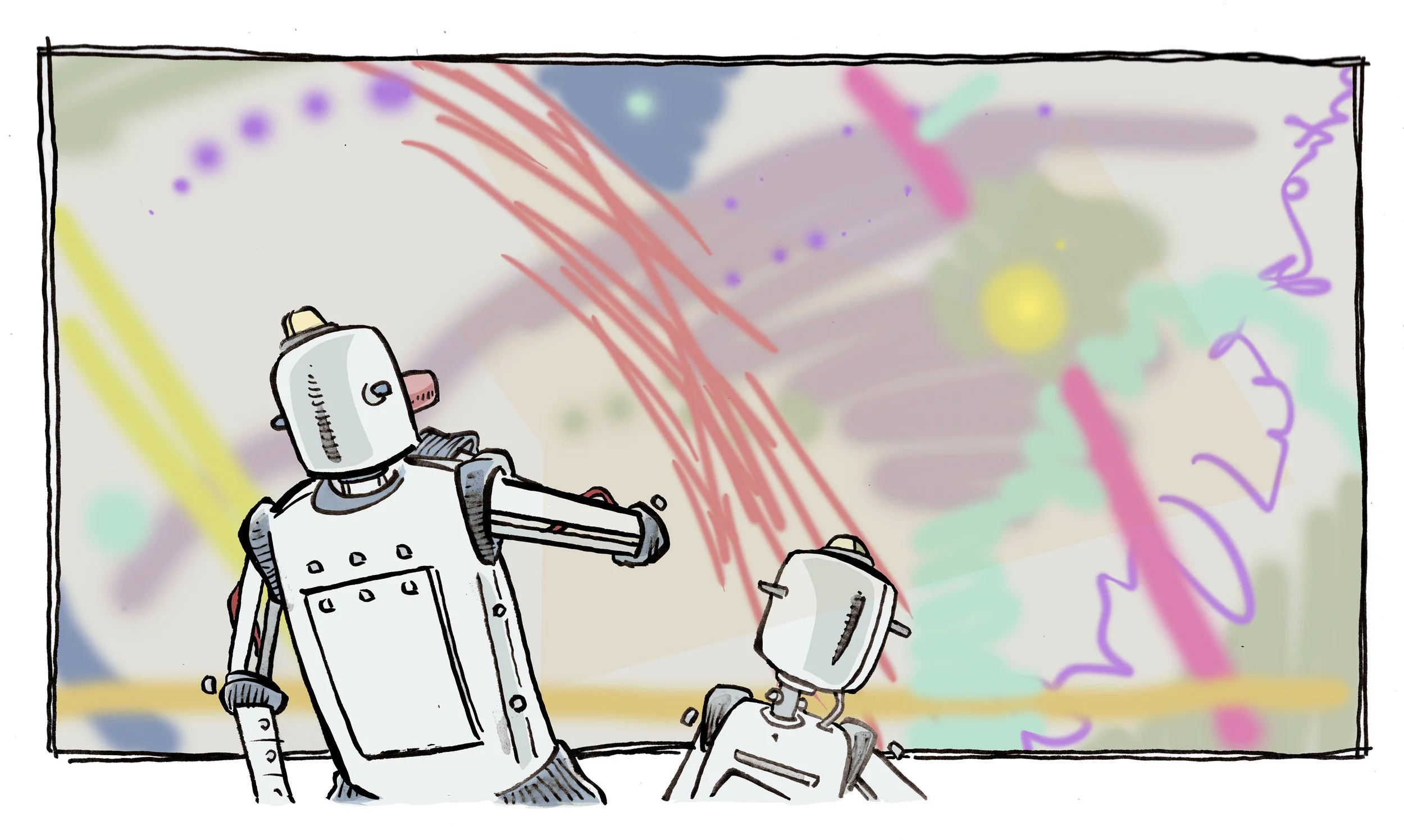
Episode 22 (Finale) of Book One — Romey Petite’s comic series, Comicorpse
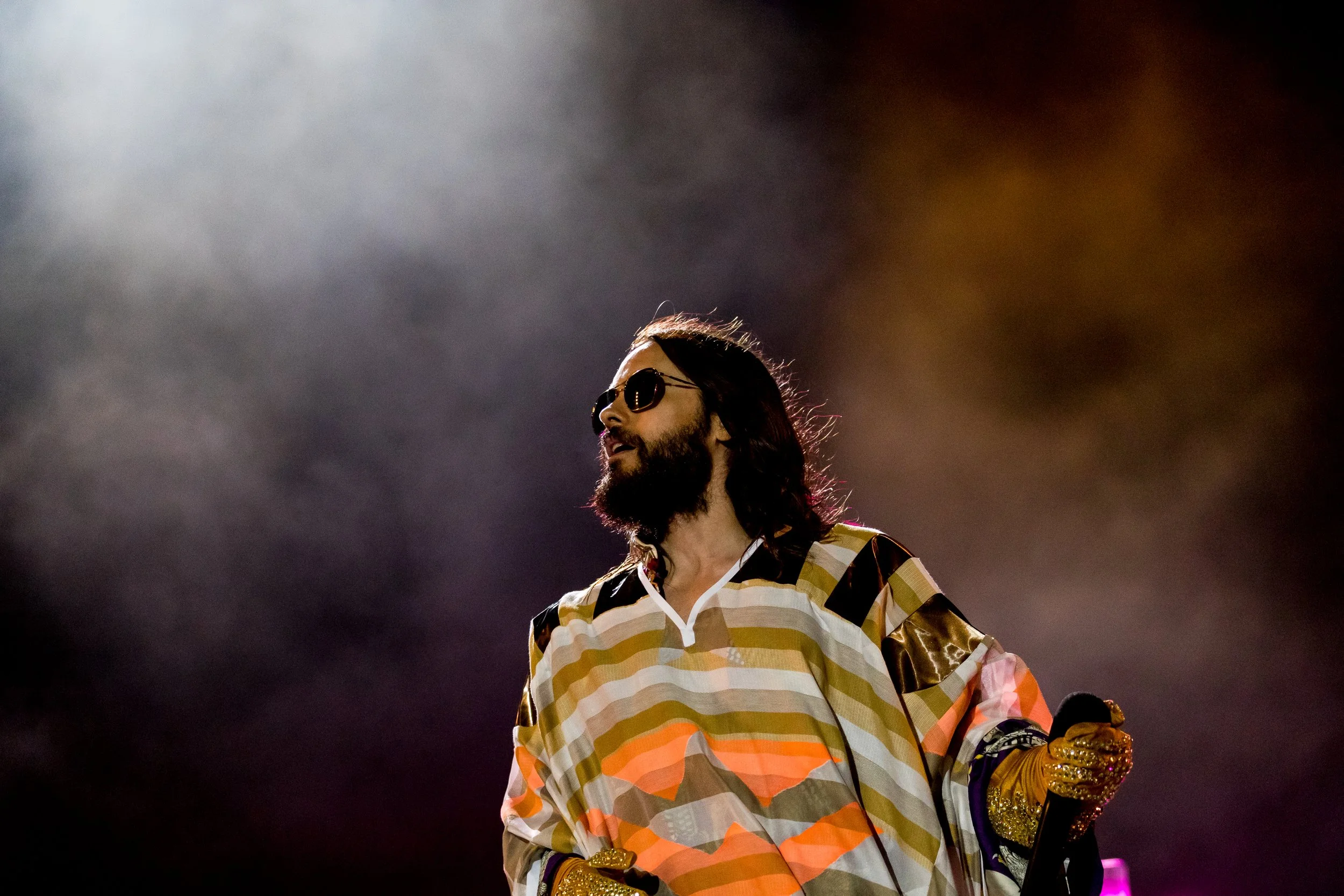
He’s scruffy-haired, 5’7”, dresses in the clothes my grandfather used to wear, and seems to forever breathe through a harmonica. His name is Jesse Welles, a 32-year-old folk-singer, songwriter, and poet whose backwater presentation is rooted in his working-class, Ozark, Arkansas upbringing. He has been hailed by many as the Bob Dylan of the new generation. I believe he’s the reincarnation.
One Black eighth grader was in the middle of pleading against her school's potential closure when Allyson Friedmans’ voice, unmuted on the call, boomed through. “They’re too dumb to know they’re in a bad school,” said Friedman, an associate professor of biological sciences at CUNY Hunter College, where 11.5% of the undergraduate students are Black. “I mean, apparently Martin Luther King said it, like if you train a Black person well enough, they'll know to use the back, you don't have to tell them anymore."


Last summer, I finally made the drive up from Philadelphia to Centralia. Reddit posts warn that little draw remains. Gone are the pits spewing white smoke that Bill Bryson described in A Walk in the Woods while commenting that Centralia is “the strangest, saddest town I believe I have ever seen.” The stretch of Route 61, cordoned off due to the fires and transformed by taggers into a shifting canvas affectionately named "Graffiti Highway,” was buried in 2020.