

Critism
||||

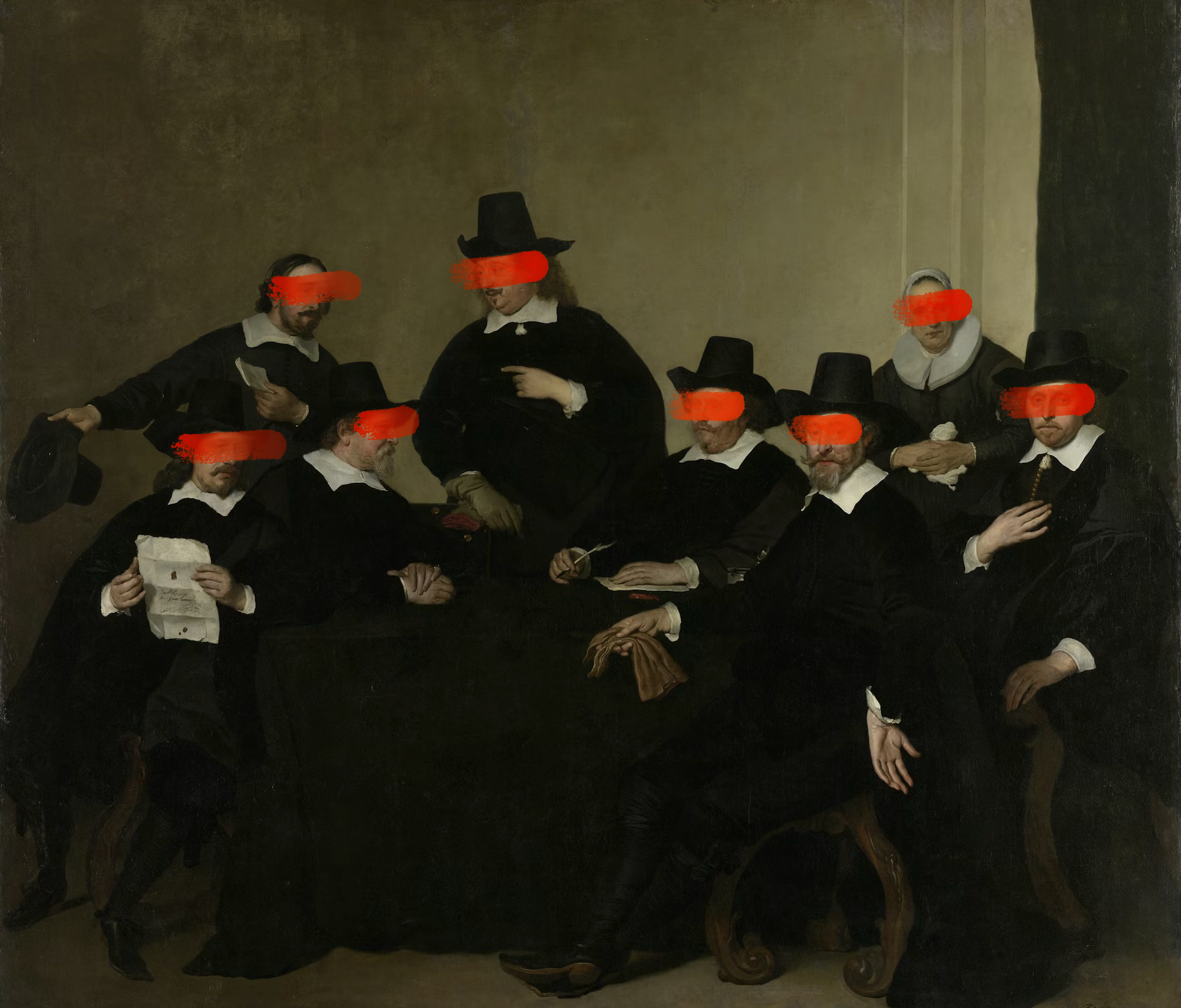
J.D. Vance and the Façade of Masculinity in the Republican Party
The 2000s ushered in a progressive discussion on gender and sexual orientation and has since challenged social signifiers of what it means to be a man. It has thrown confusion into a vat of insecurity for those whose identity rests in material, surface level traits. In an effort to combat this, conservatives have reclaimed antique signifiers to masculinity; manliness has been pushed to the extreme. Any hint of emotionalism, the acceptance of women as equals, or physical weakness is considered a betrayal to the inherently ‘masculine.’
Comicorpse Book One (Episode 19)
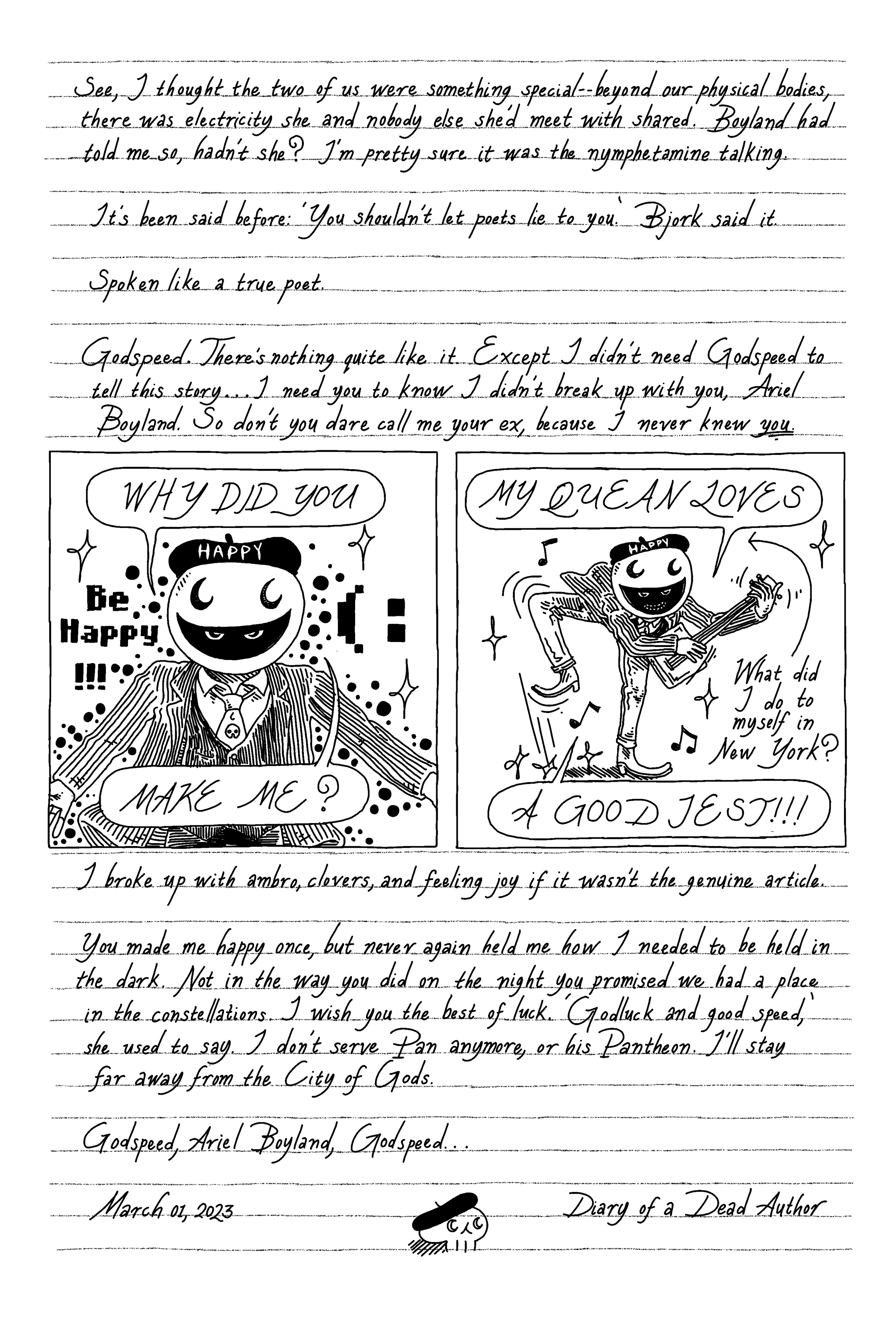
Episode 19 of Book One — Romey Petite’s comic series, Comicorpse
How to Live A Fulfilling Life Under Tyranny
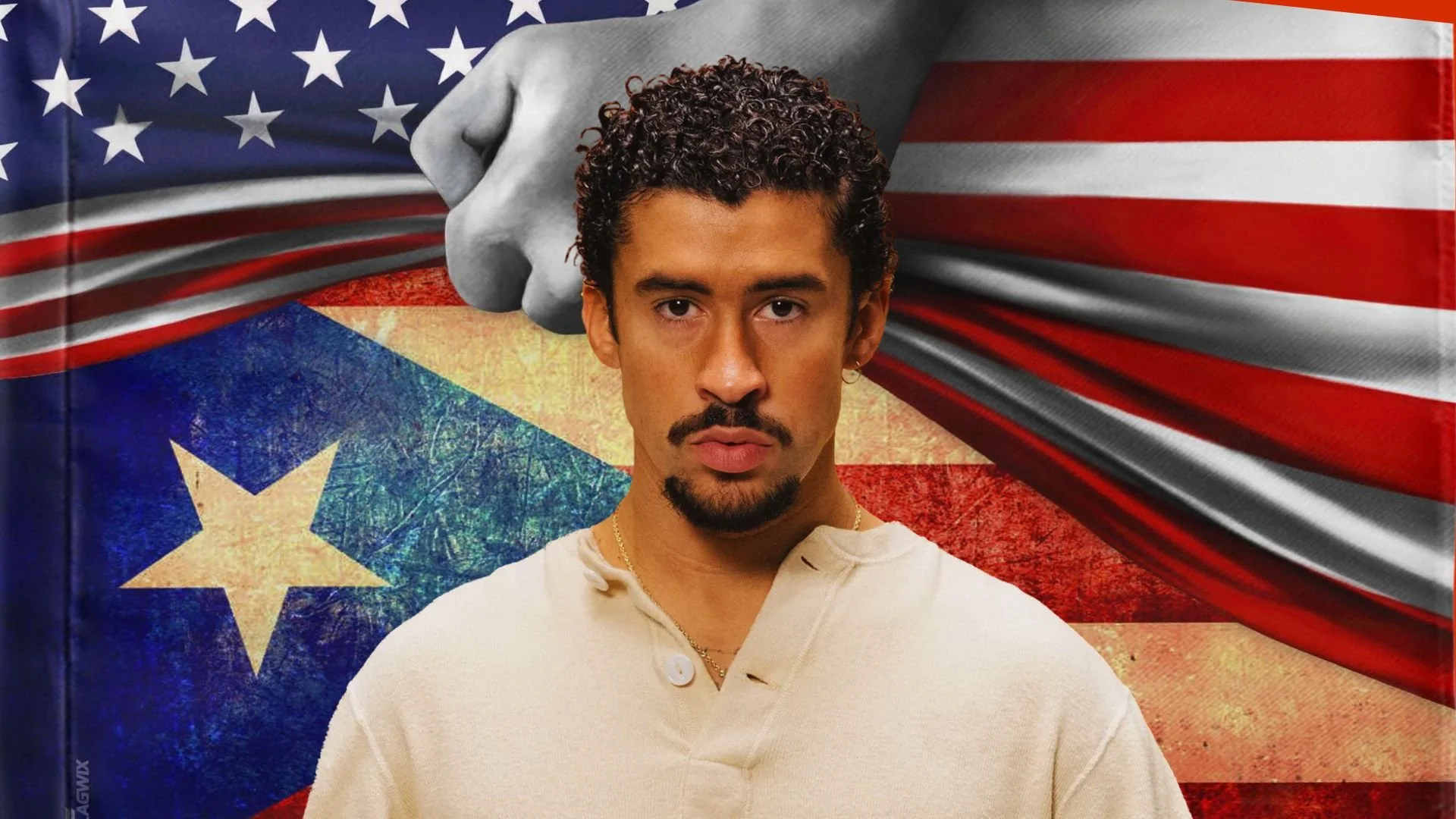
Inside a community center at Allentown, Pennsylvania, the Working Families Party (WFP) organized a watch party for the Super Bowl half time show for groups of migrant families—only one of many around the country. The air was heavy with anxieties of a possible ICE raid as people huddled around one screen to watch a great American artist perform. This is not an excerpt from Orwell’s 1984, or a 21st century fiction retelling of World War II. This was two weeks ago in the U.S.
Comicorpse Book One (Episode 18)
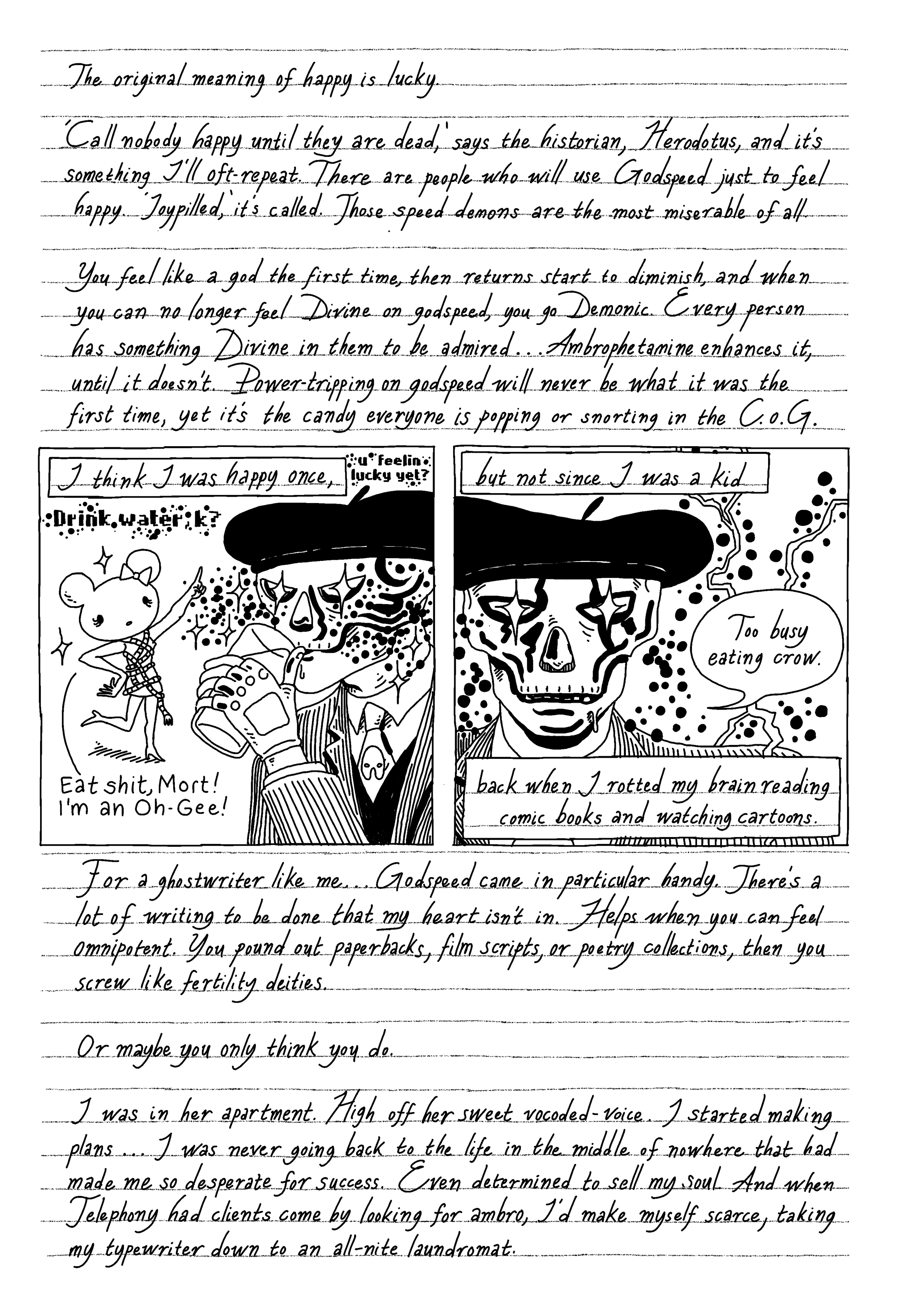
Episode 18 of Book One — Romey Petite’s comic series, Comicorpse
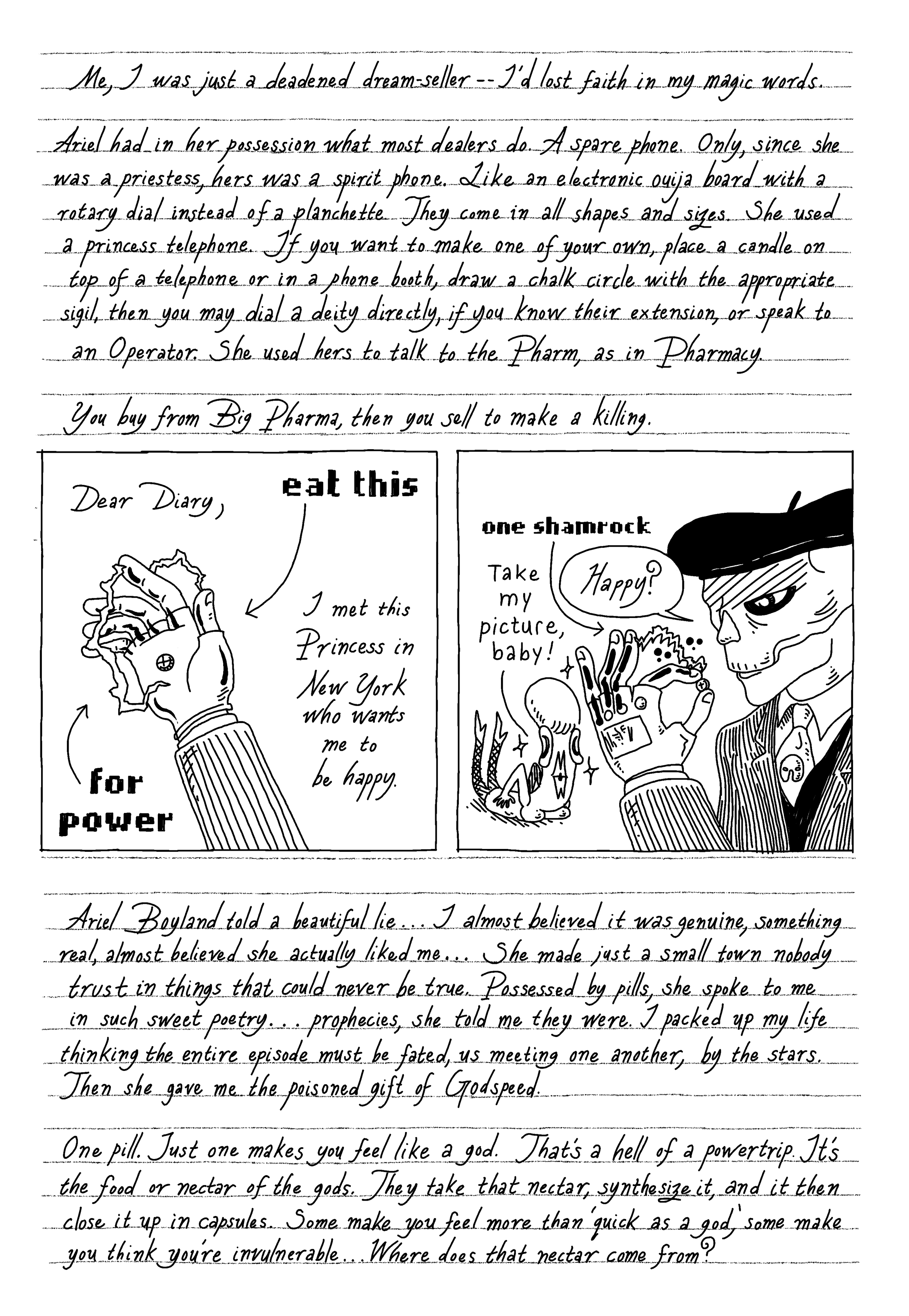
Comicorpse Book One (Episode 17)
Episode 17 of Book One — Romey Petite’s comic series, Comicorpse
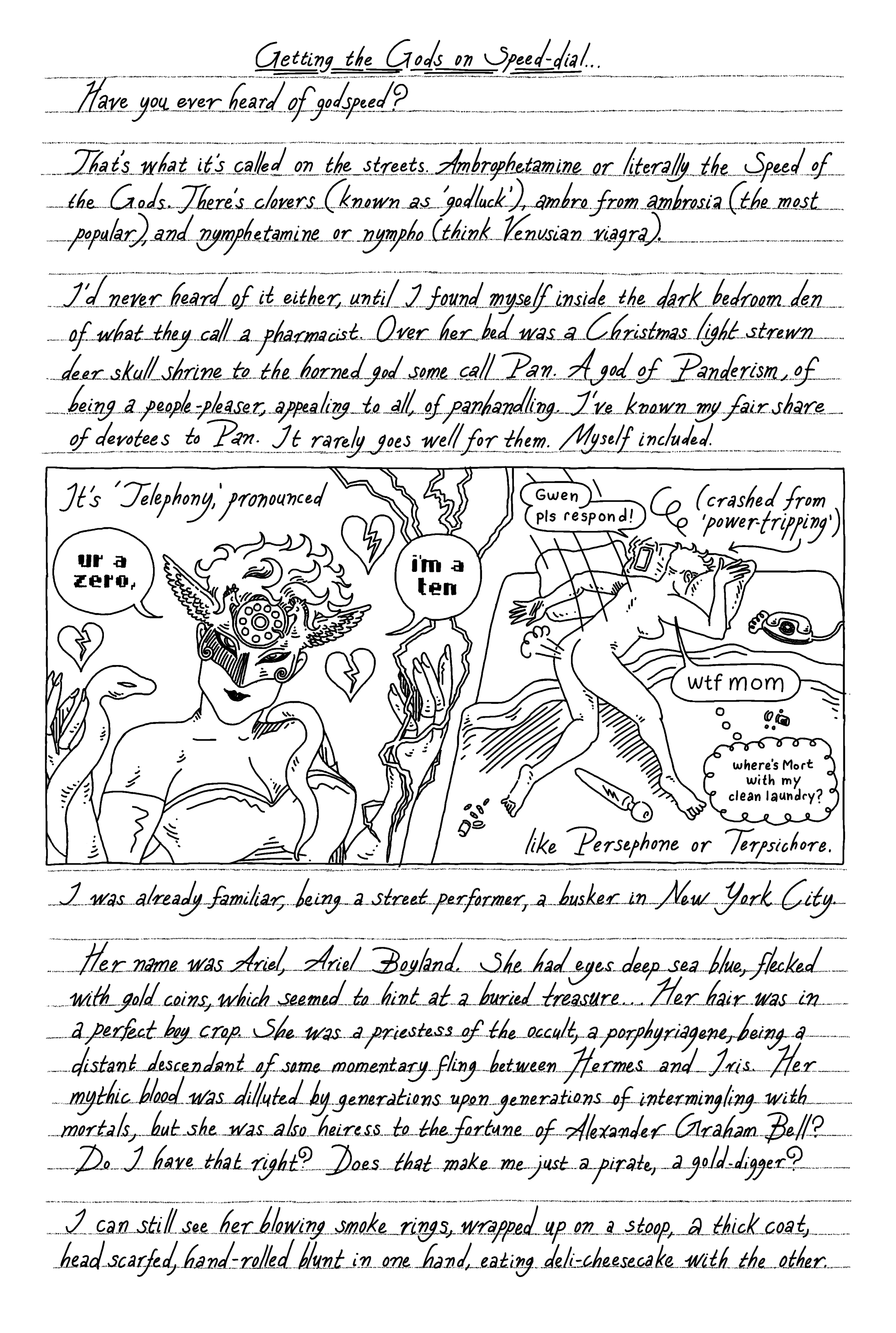
Comicorpse Book One (Episode 16)
Episode 8 of Book One — Romey Petite’s comic series, Comicorpse

“Polymerizing is Not Resurrection,” A close reading of Pynchon's “Gravity's Rainbow."
Gravity’s Rainbow is about a lot of things. It explores paranoia and conspiracy, culpability and morality. And all of this is set against the backdrop of Europe before, during, and directly after World War II. It’s dense and disturbing and devastating and somehow hilarious. It’s also all about plastic and how evil it is.
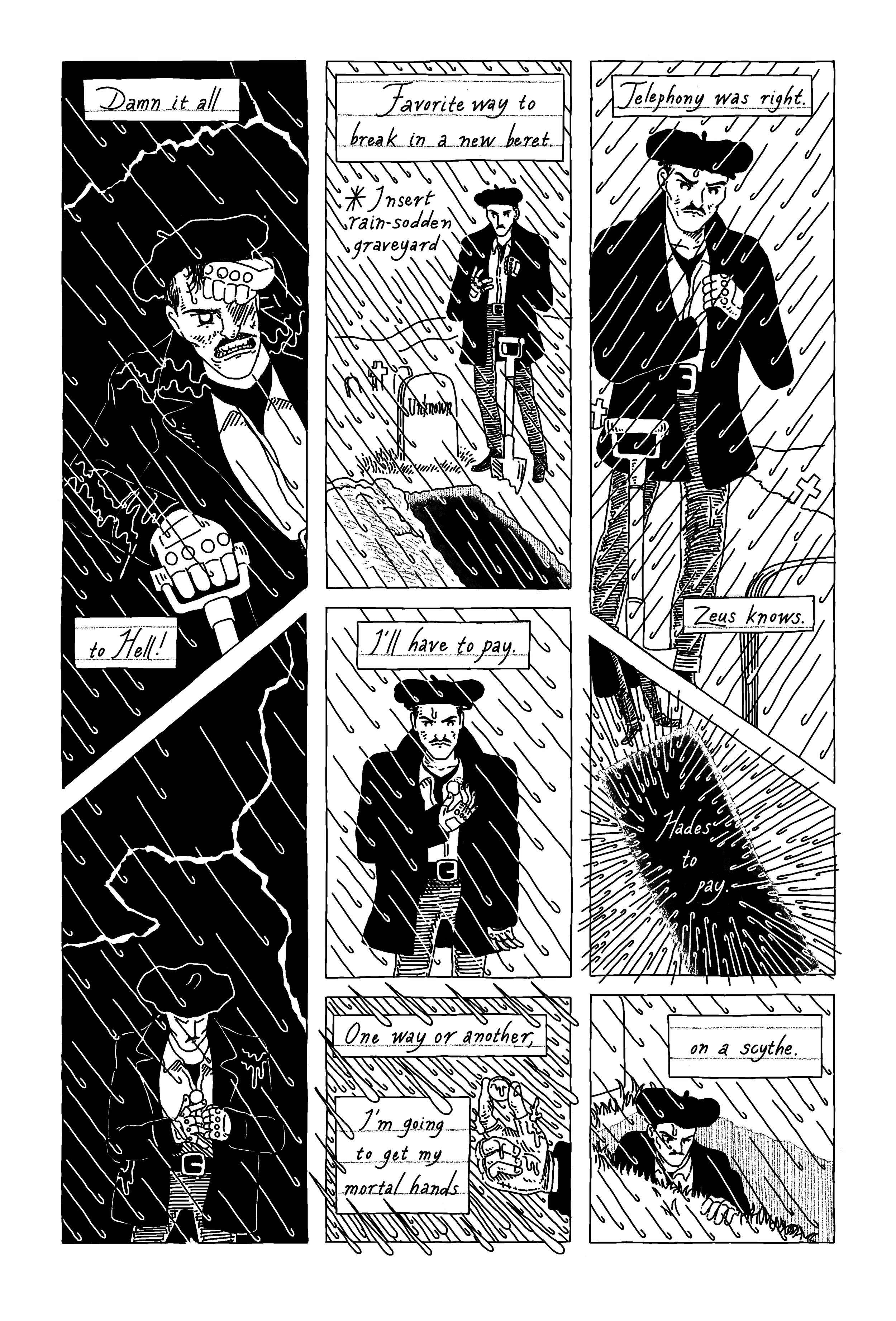
Comicorpse Book One (Episode 15)
Episode 8 of Book One — Romey Petite’s comic series, Comicorpse
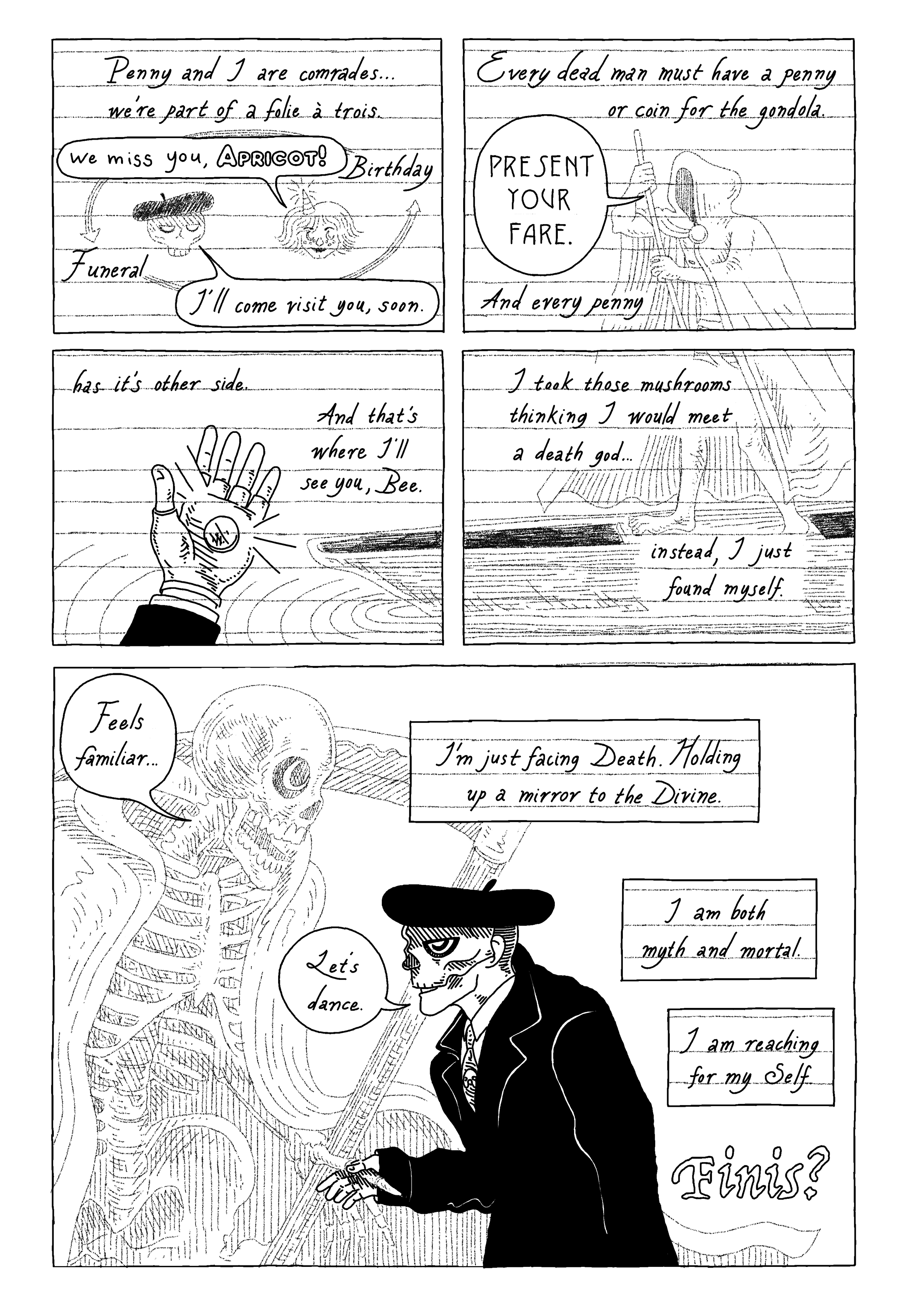
Comicorpse Book One (Episode 14)
Episode 14 of Book One — Romey Petite’s comic

Where Do We Go From Here? The State of English Education
We live in an age of information abundance. Open any social media, any news (I use that term liberally) website, any Google search, and you’ll notice the overwhelm of informational noise. With so much distraction, it’s vital that our students learn to discern between trustworthy and untrustworthy sources and to reflect on how bias and motive can influence the information they consume. Without getting into specifics, we’ve seen the faltering of this skill taken to extremes in recent years—people falling victim to disinformation without considering the incentives or motivations behind their consumption.
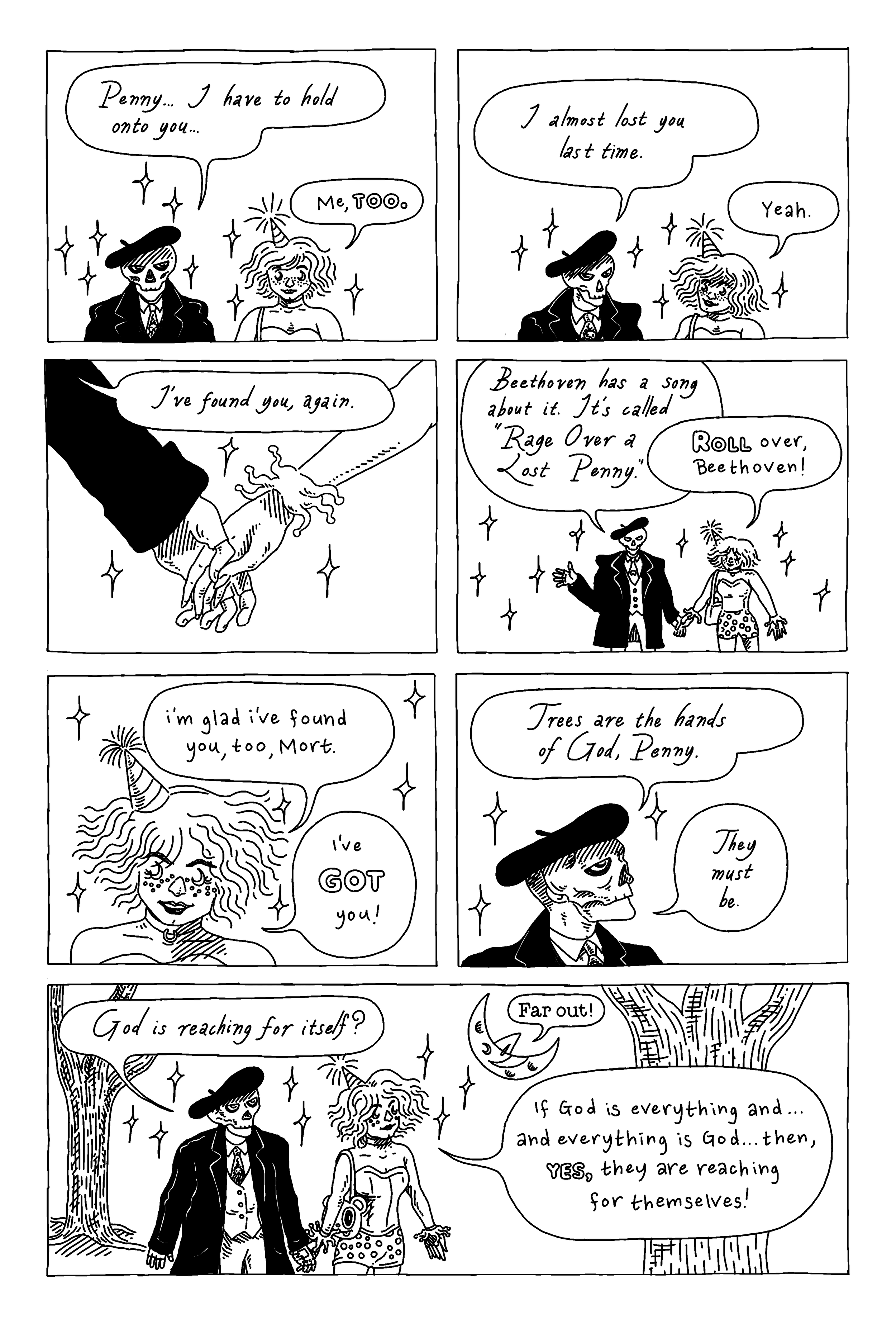
Comicorpse Book One (Episode 13)
Episode 13 of Book One — Romey Petite’s comic series, Comicorpse
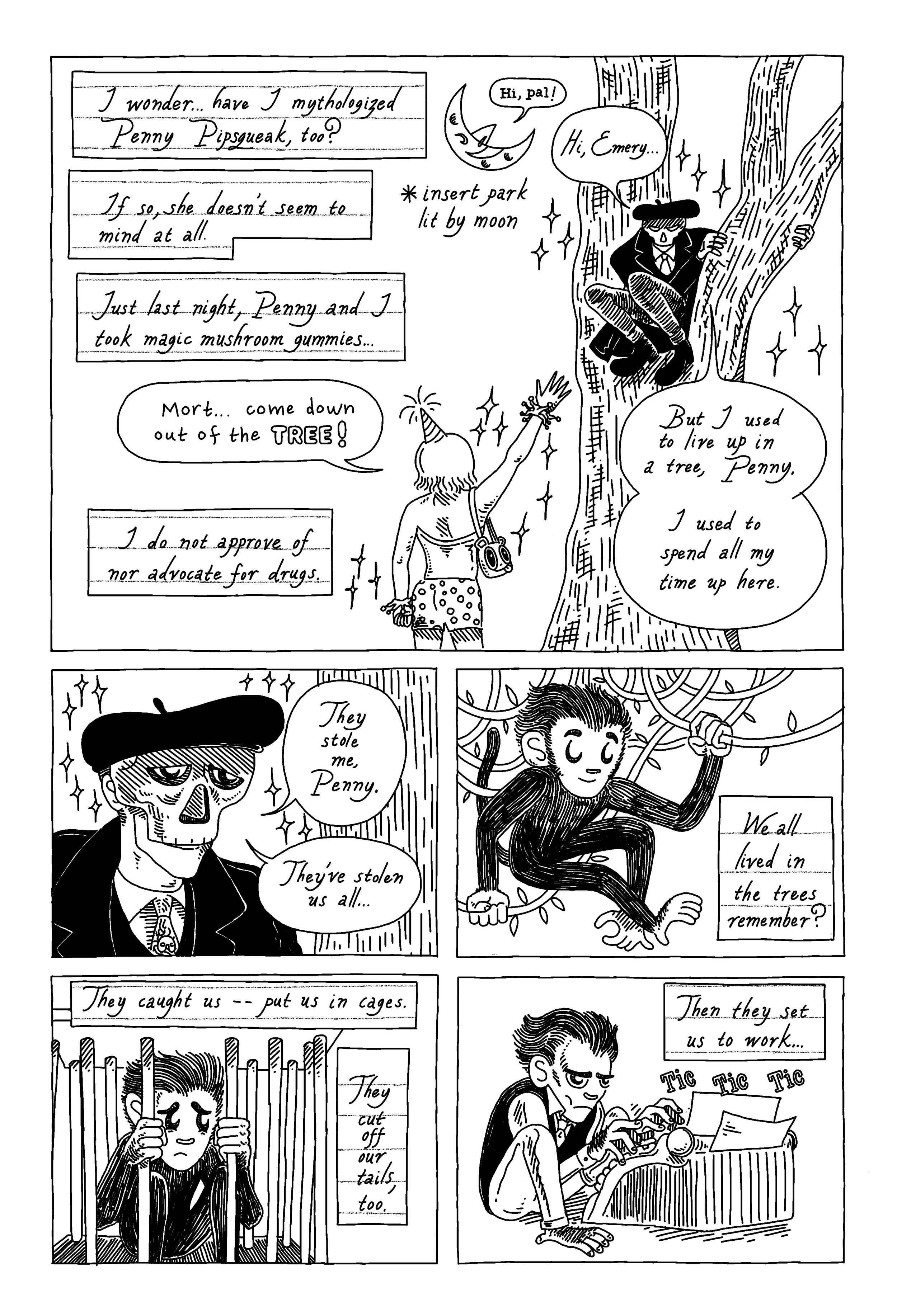
Comicorpse Book One (Episode 12)
Episode 12 of Book One — Romey Petite’s comic series, Comicorpse
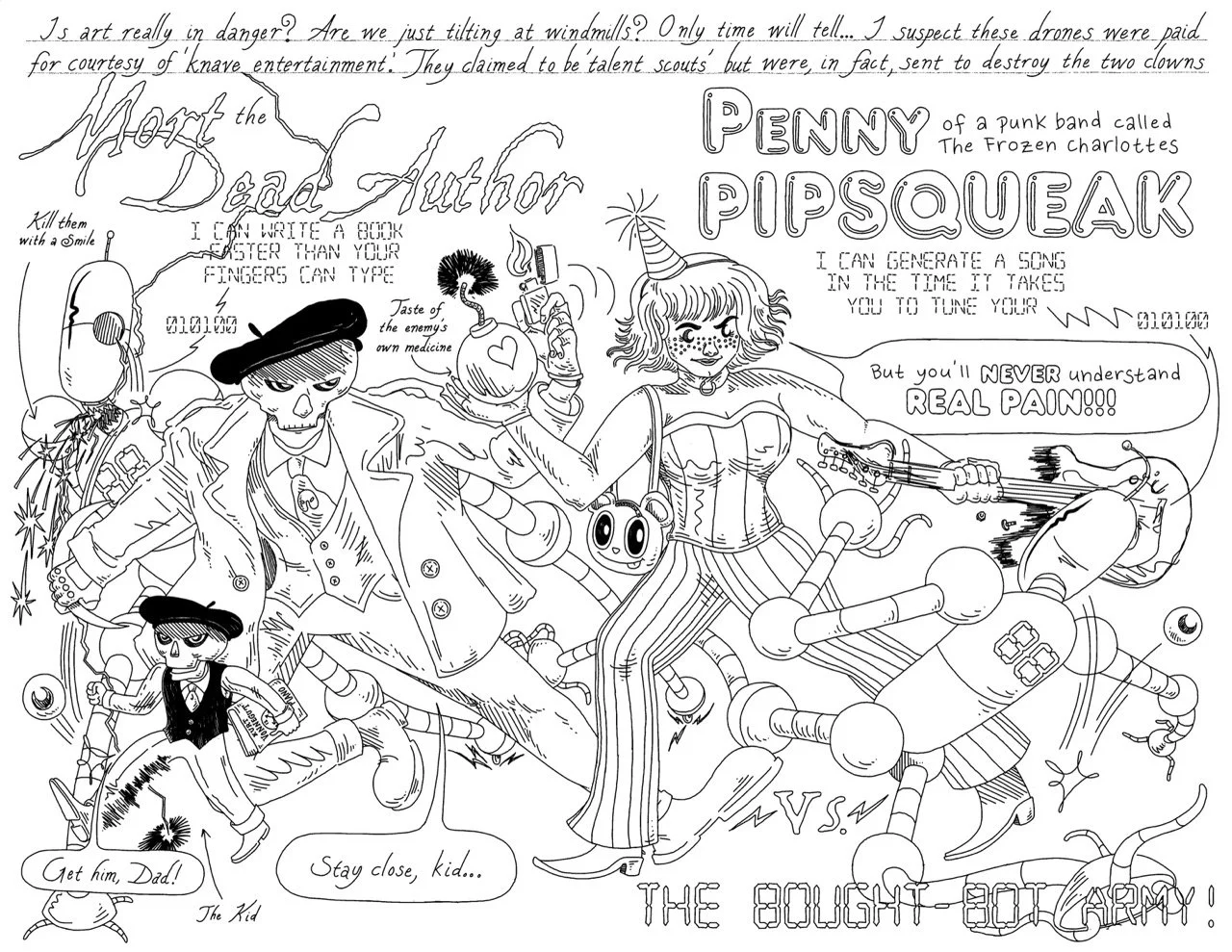
Comicorpse Book One (Episode 11)
Episode 11 of Book One — Romey Petite’s comic series, Comicorpse
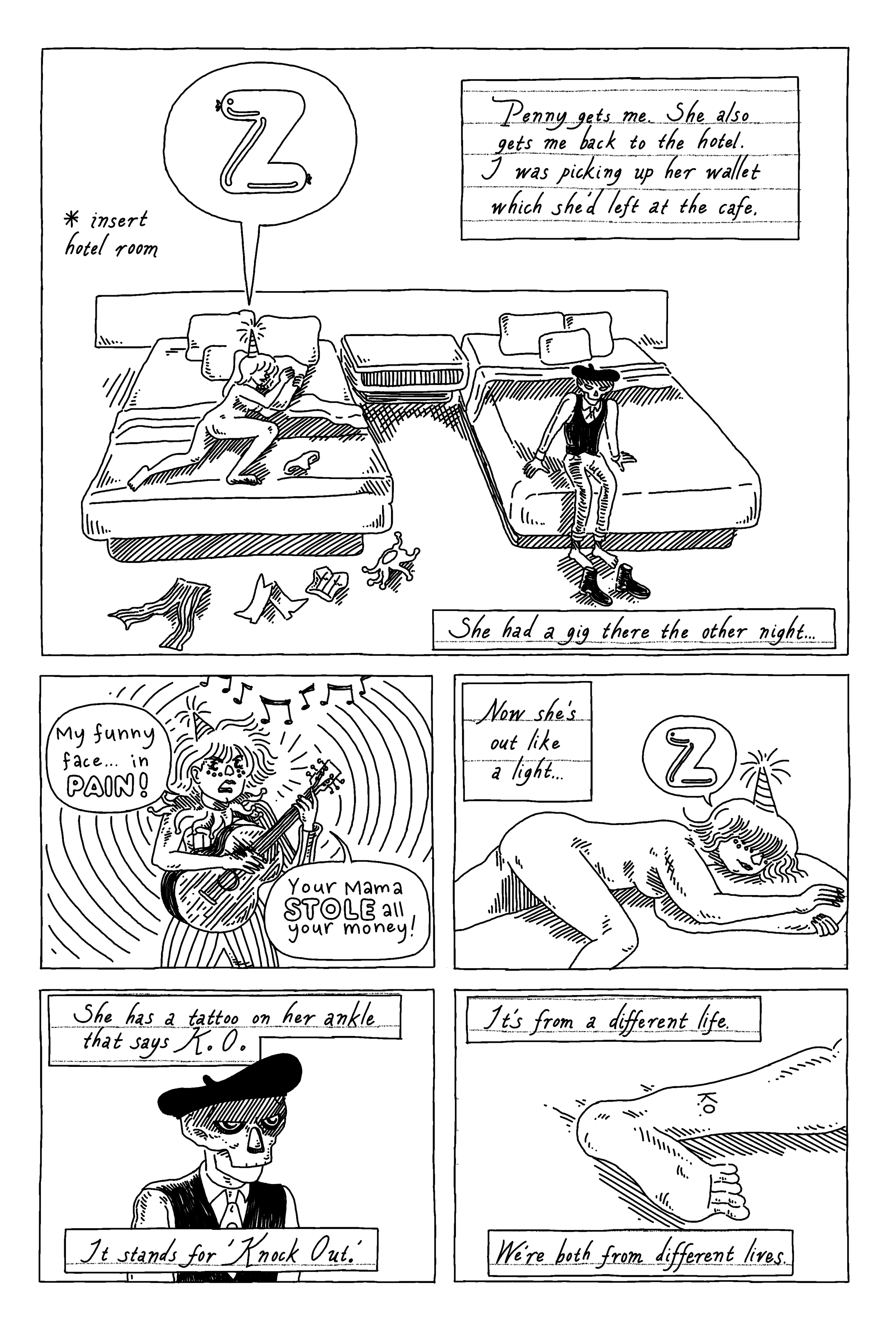
Comicorpse Book One (Episode 10)
Episode 10 of Book One — Romey Petite’s comic series, Comicorpse
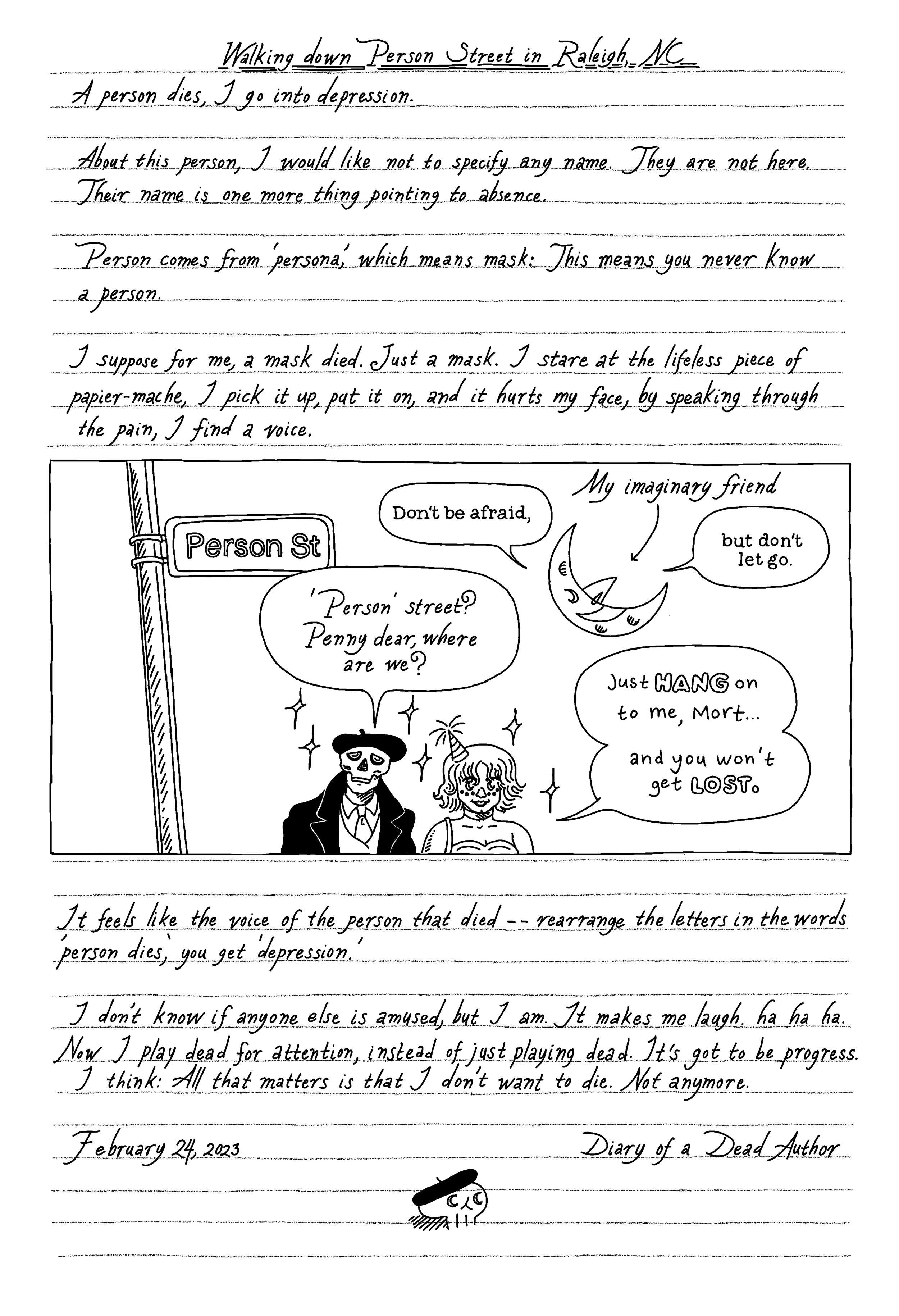
Comicorpse Book One (Episode 9)
Episode 9 of Book One — Romey Petite’s comic series, Comicorpse
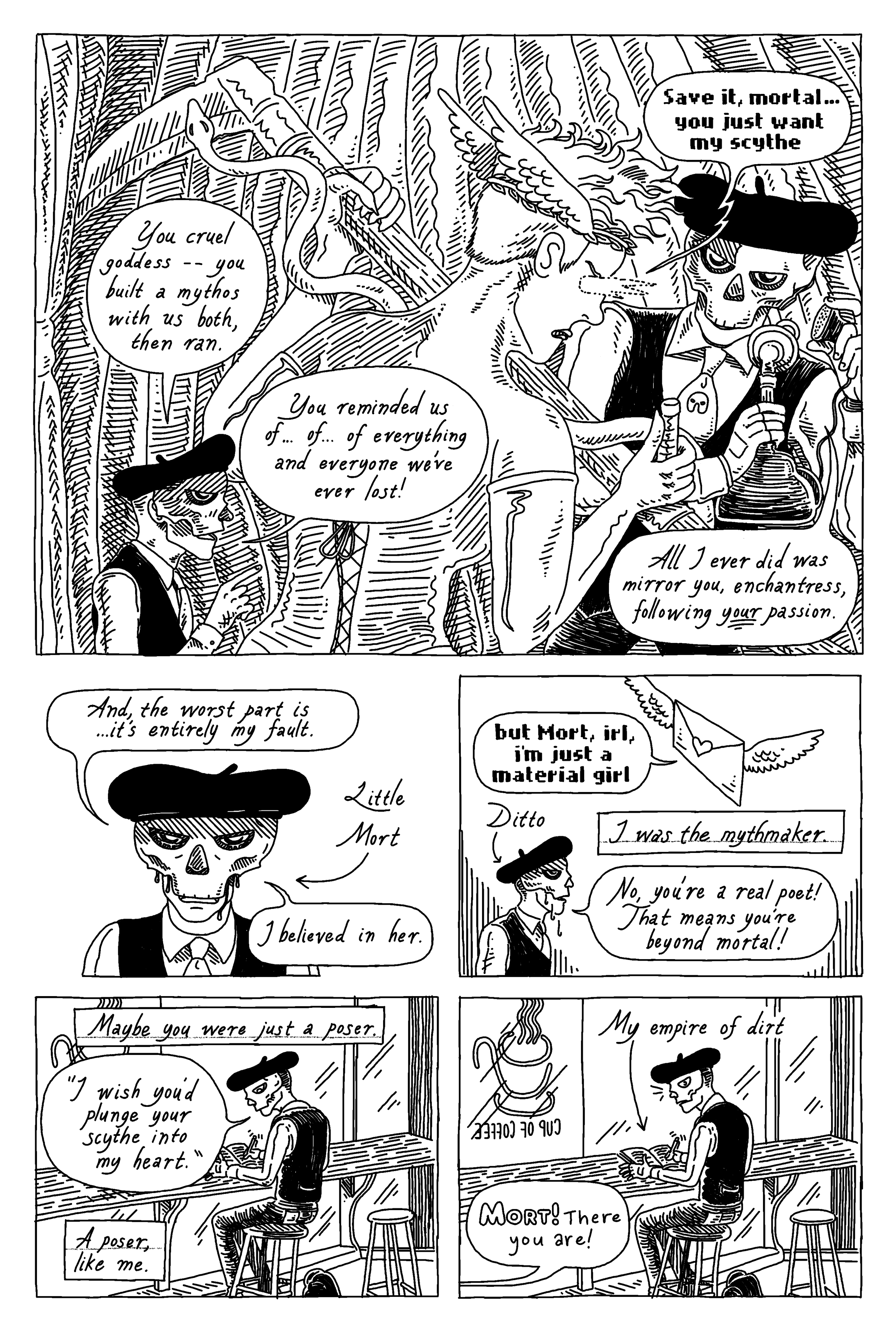
Comicorpse Book One (Episode 8)
Episode 8 of Book One — Romey Petite’s comic series, Comicorpse

I’m done giving AI the benefit of the doubt
The essay I was working on was inspired by N+1’s really excellent polemic editorial titled, “Large Language Muddle.” Part cultural commentary and part call to arms, the editorial rails against the creep of generative AI in society and posits an alternative approach straight out of the Luddites’ playbook. It was empowering. I was so ready to write my own screed against generative AI; I’d argue that it was the natural progression of the focus-group forged and hyper-managed style of communication so many of us find ourselves confined to upon entering the professional sphere. I’d deride the hellscape that is LinkedIn and the strange pseudo-human, algorithm-serving language it requires us to use.

What Can Dan and Phil Teach Us About Forgiveness? Extending Grace Online
In a touching video essay, the two not only discussed the profound impact they have had on each other's lives but also the struggles that had accompanied the years of keeping their relationship private. This was a step forward for them–after many years, they were shedding the burden of secrecy while still maintaining a level of privacy, highlighting their complex relationship with parasociality.
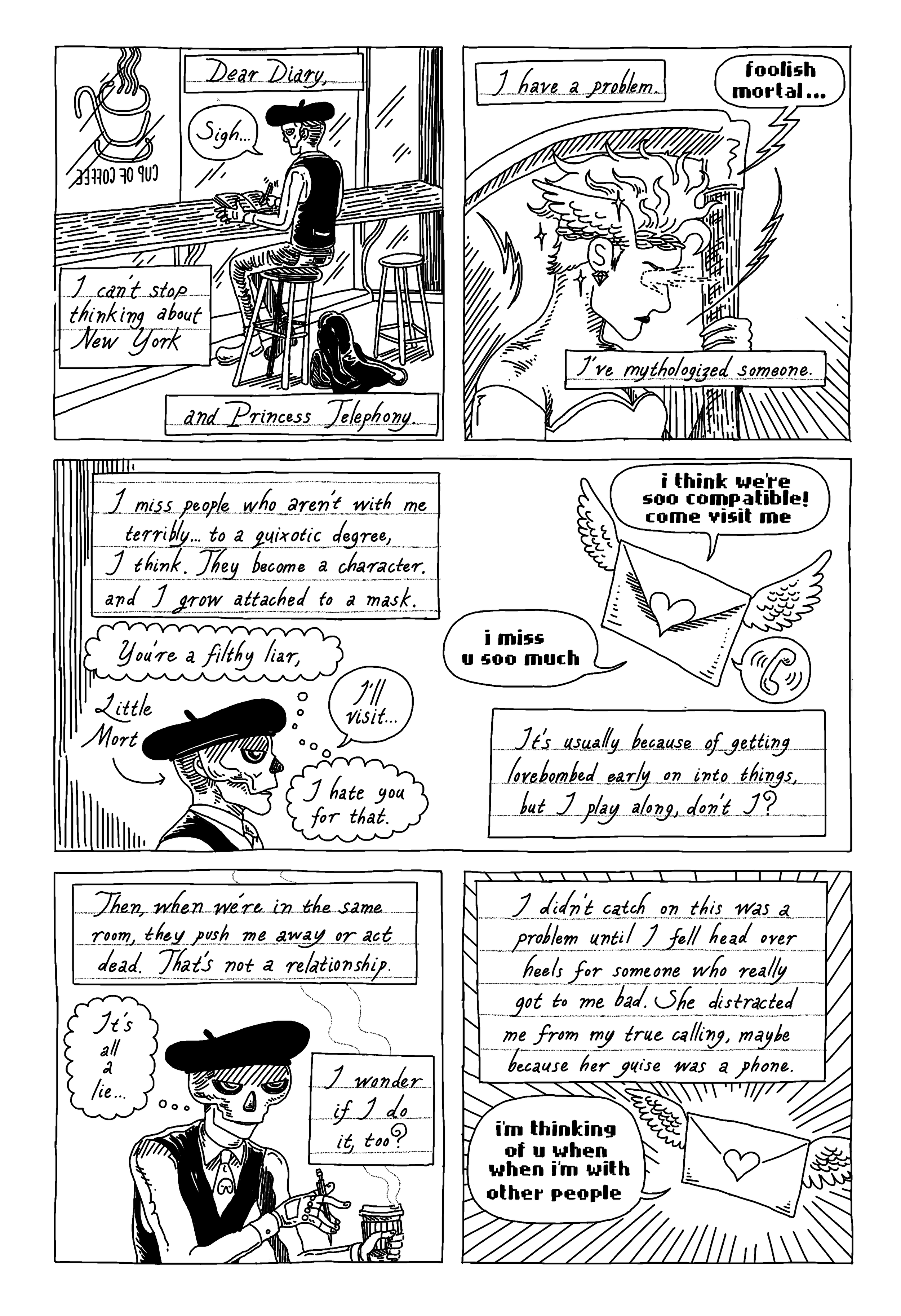
Comicorpse Book One (Episode 7)
Episode 7 of Book One — Romey Petite’s comic series, Comicorpse

Alternative Literary Modalities: Video Essays, Audio Books, and Accessibility
I am a strong advocate for the analog. I think music sounds better when on vinyl, pictures taken with my second-hand film camera are more charming, and my Omni-84 is a beast of an analog synth. What links these things together? The tactile, physicality of them all. Studying writing through my undergrad and my Master's left me with stacks of physical literature lining my shelves, but like many, I seldom open them. How tasteless! I can hear that one professor I had for Gothic Lit (who always pronounced French words heinously wrong) yelp—What a waste!