

Criticism
||||

Meat Eating Maniacs: Power, Masculinity, and the Domination of Women and Animals
A deep dive of Carol J. Adams “The Sexual Politics of Meat” and artists that explore the interconnectedness of human and animal life
Kidnapping, Probing, Impregnation: How Men Become the Victims in Alien Horror Movies
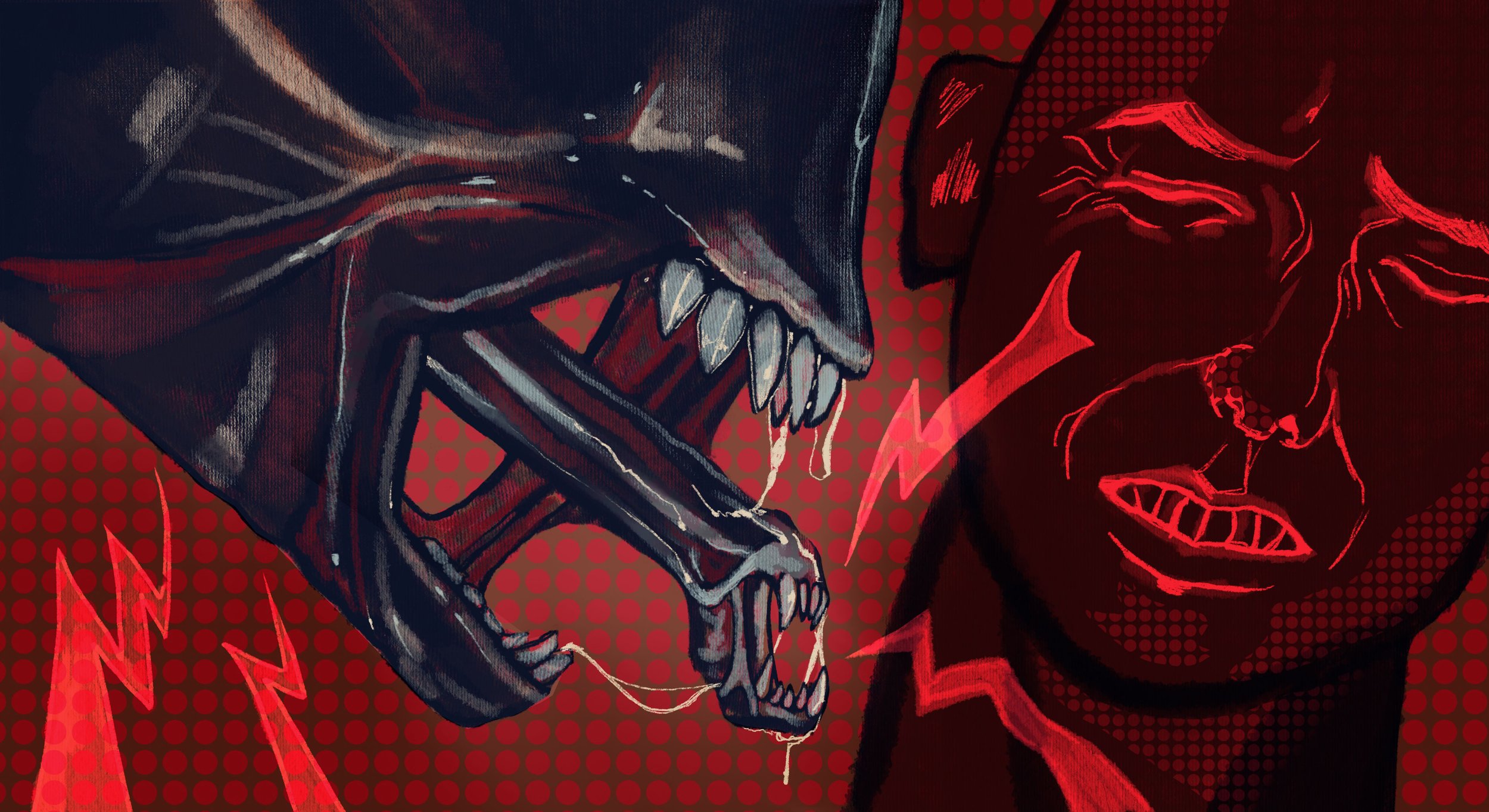
As a horror aficionado, I have to admit that I struggle to watch alien horror movies. I don’t love the—often terrible—CGI when the alien is revealed in all its weird, usually pale and oddly skinny glory. But more than that, I cringe in the anticipation of what has become akin to a joke: they’re going to be probed.
My Semi-Analog Week
In the spring, while writing about the influence of multitasking on content production, I stumbled across a horrific little study. Meant to explore the neural processes associated with media multitasking, the study observed that individuals who tend to spend more time consuming multiple forms of media simultaneously often have “smaller gray matter density.”
My Two Cents on 50 Cent
In October of 2025, Sean ‘Diddy’ Combs was sentenced to 50 months in prison. The gust of media attention on the international case came to an abrupt halt. His sexually exploitative conduct had been established, Cassie had gotten justice, and another rich, powerful man had been exposed in the seemingly dark underbelly of the Elite’s depraved sexual proclivities.
The magic of reading . . . tired trope or transcendence?
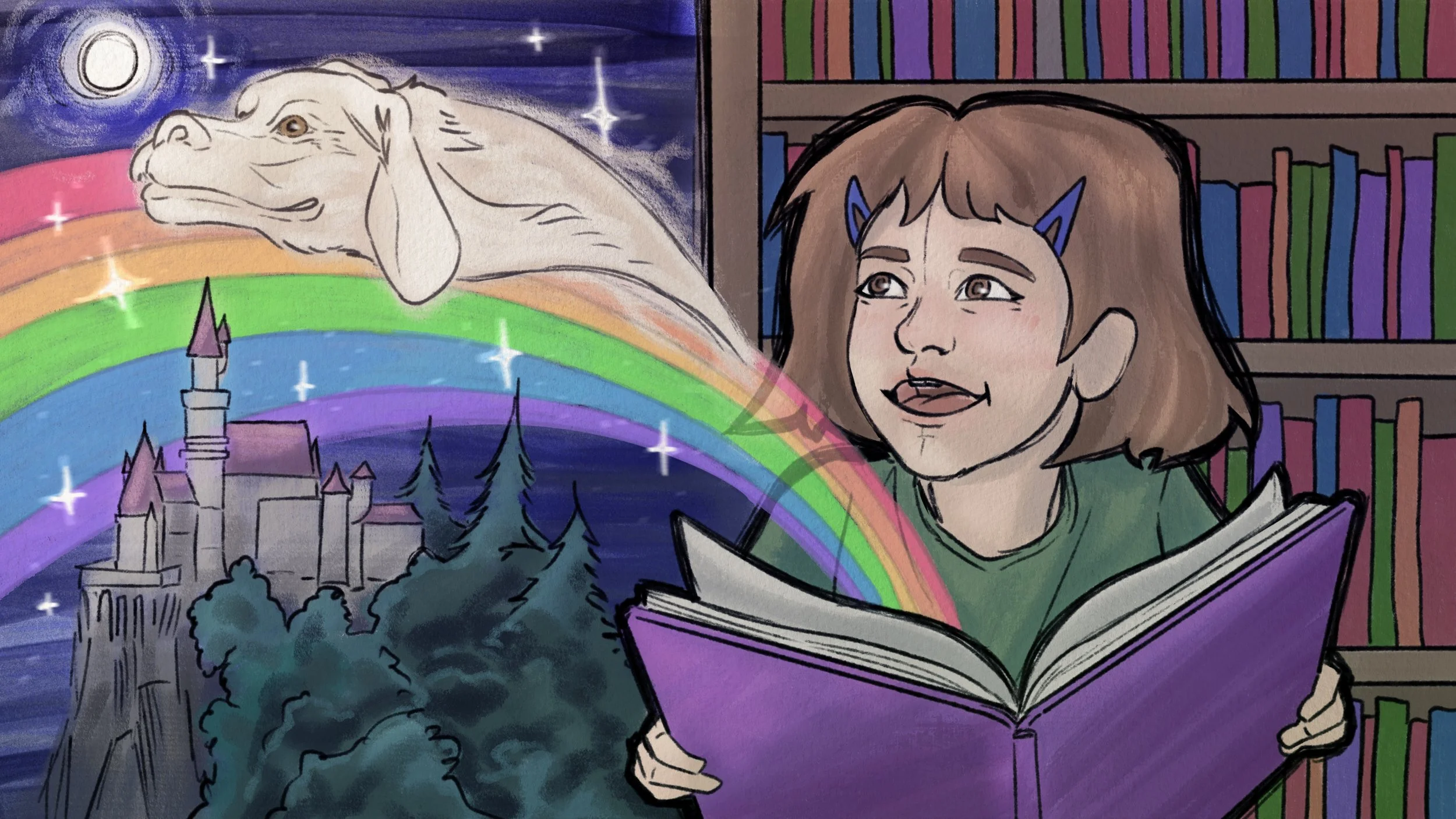
Stuck at home taking care of a sick cat, my partner and I were in the market for some light viewing when we discovered that “The NeverEnding Story” was streaming for free. It had been about twenty years since I’d watched the 1984 fantasy epic, and I was giddy at the prospect of reminiscing with the life-size puppets and miniature set pieces that had ignited my childhood imagination and stalked my nightmares. But beneath the thrill of scratching that ever-present itch of nostalgia was an underlying anxiety: What if this movie that occupied such a halcyon realm in my early memories didn’t hold up? Would a rewatch uncover previously overlooked racism (à la “Lady and the Tramp”)? I could hardly recall a theme or moral—what if the whole thing was incoherent or worse, cringingly saccharine?
Honey, Are We Watching Morality Island Tonight?
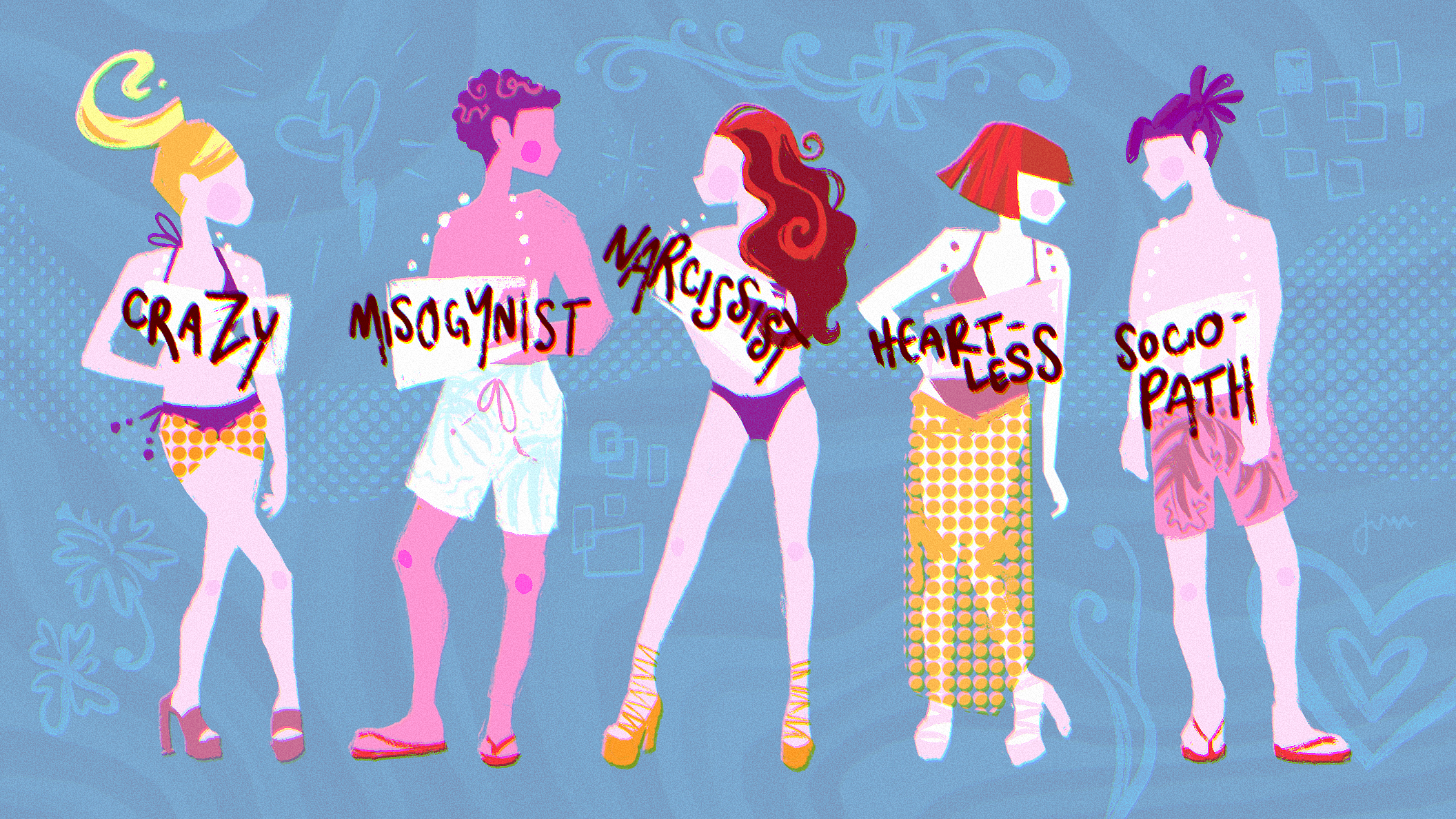
When June rolls around, people all around the country look forward to watching the newest season of Love Island USA. Hot, young, single strangers enter a foreign villa hoping to find a romantic connection. At the same time, people sit back at home and watch these relationships develop, dissolve, and occasionally surprise everyone involved. The entertainment comes from watching seemingly ordinary, everyday people navigate attraction in real time. Someone might enter the villa convinced they have found their person and change their mind a week later, while another couple that seemed destined to win could fall apart overnight.
Love Island’s Newest Bombshell
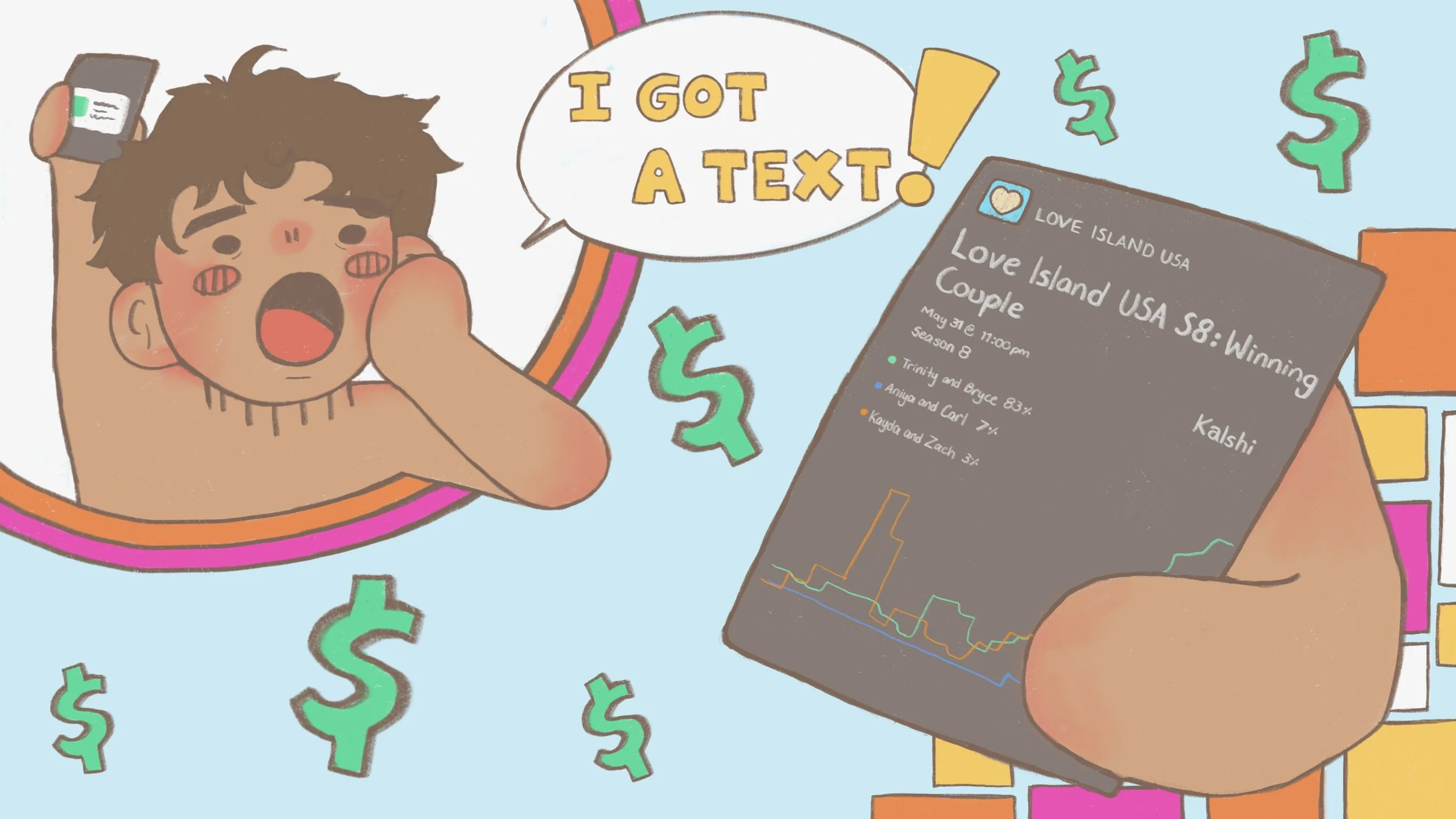
It was virtually impossible to avoid Kalshi ads this summer. Kalshi is a prediction market platform launched in 2021 that people use to bet on everything from the weather to military outcomes, though for the past few years, its primary use has been to facilitate sports betting. As Love Island USA returned with a bang, still trying to recreate the magic it found two seasons ago, Kalshi turned its attention to the reality dating show.
Walking the Runway Through the Ruins of Journalism
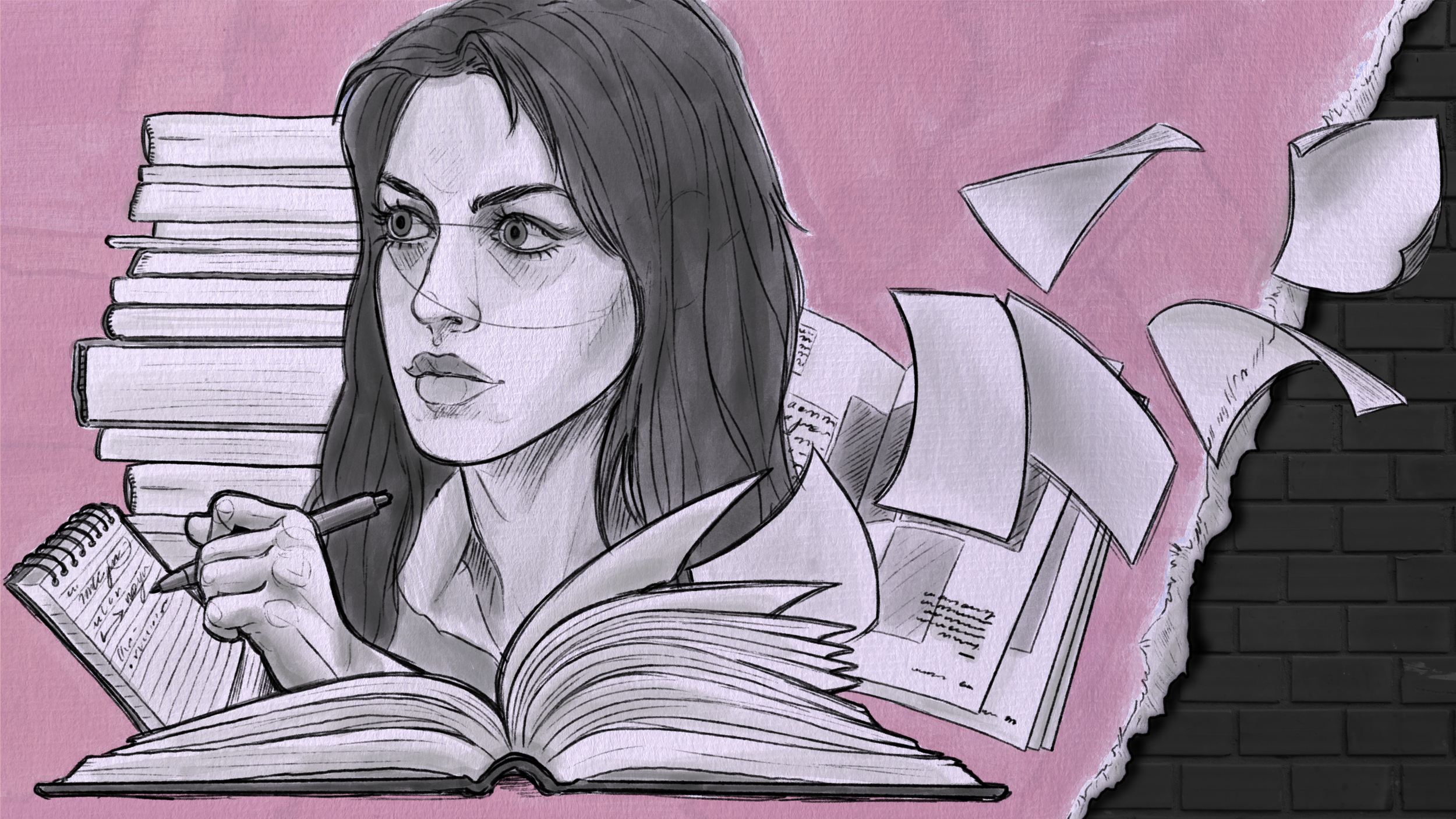
That world no longer exists in the same way, and The Devil Wears Prada 2 is clearly aware of this. The film gestures repeatedly toward the instability of modern journalism through references to mass firings, evolving media, and the declining readership of publications like Runway. Yet these acknowledgments remain a bit weightless. The sequel never fully dramatizes the emotional, cultural, or economic devastation of this collapse. Instead, it repeatedly retreats into the familiar rhythms of workplace rivalry and backstabbing.
Why It’s Hard to Feel any Sympathy for the Rich
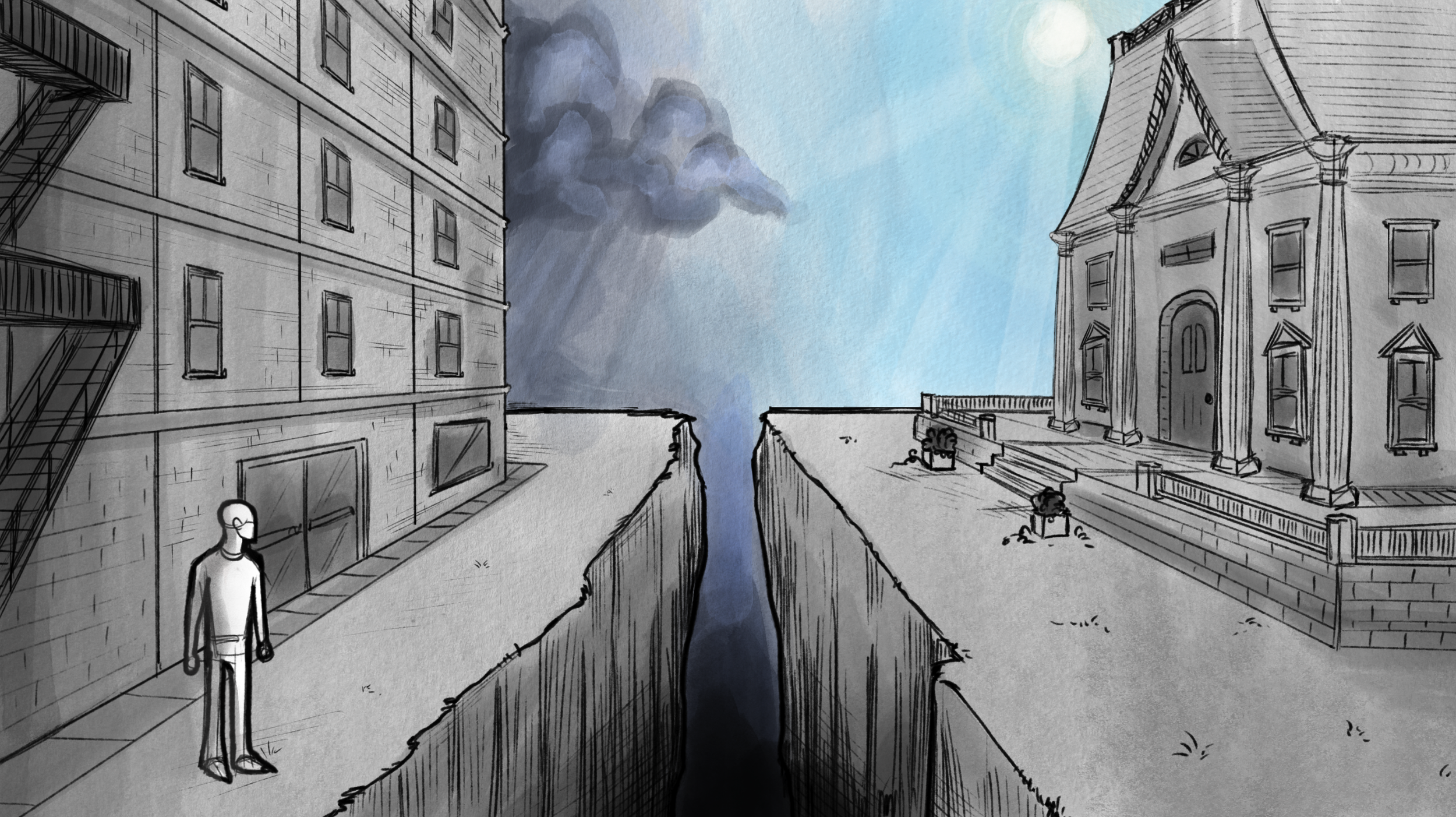
Over the last decade, inequality in America has transformed from an abstract policy issue into a daily sensory experience. Wealth is no longer hidden behind gates, country clubs, or quarterly earnings reports. It arrives algorithmically, flooding phones for hours a day: private jets, “what I eat in a day” videos filmed inside $20 million kitchens, celebrities discussing the trauma of fame from homes larger than hotels, executives describing layoffs as unfortunate but necessary market corrections while workers launch GoFundMes for insulin or funeral expenses.
13 Going on 30? More Like 30 Going on 13
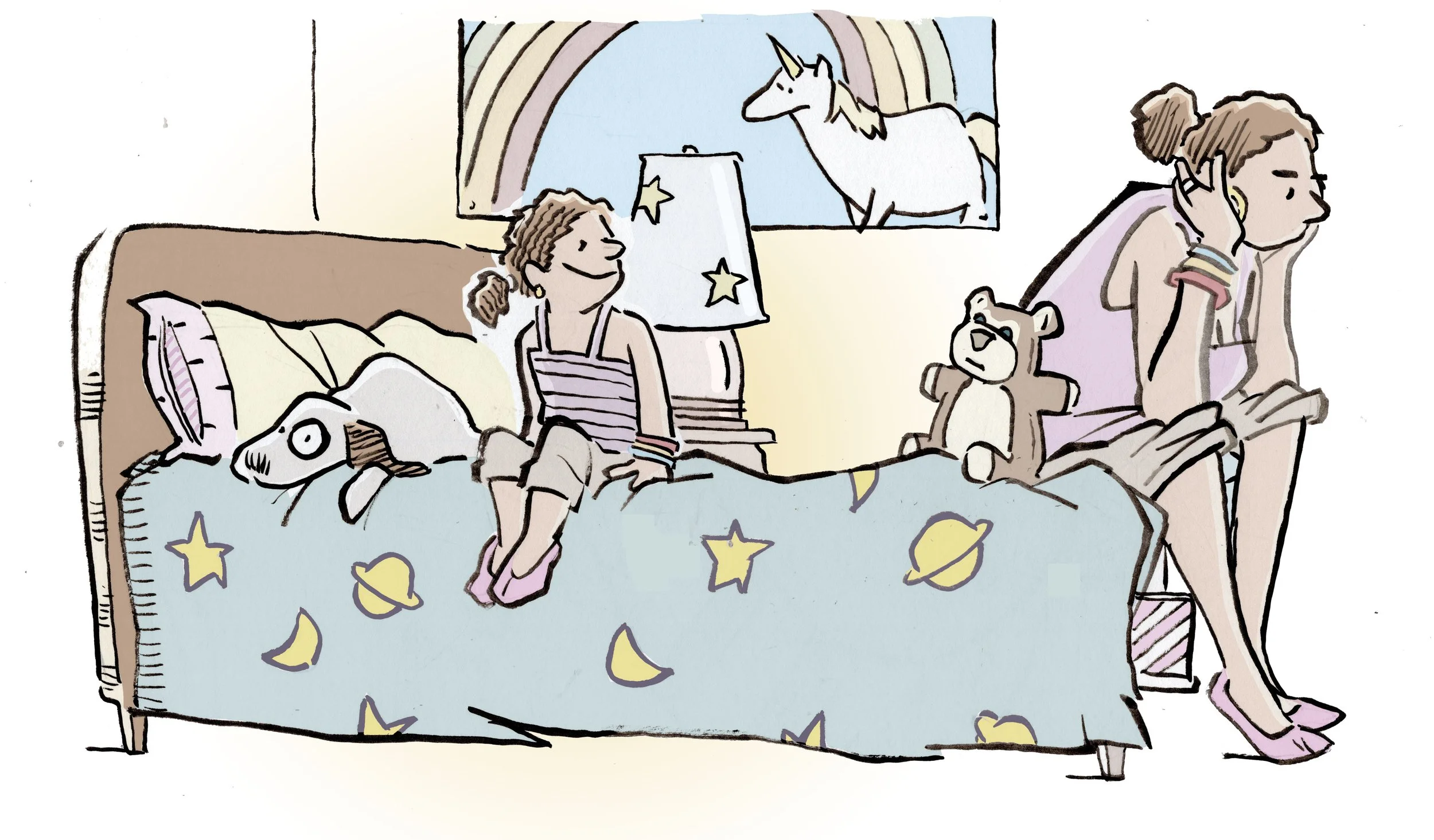
The recent talk of a reboot has brought the premise back into conversation, and with it, the cultural promise the film once rested on — that adulthood meant stepping into a world of possibility. Back then, the plotline read as charmingly impatient rather than anomalous, because adulthood was still imagined as a phase of life when things settled into place: independence, confidence, an apartment with matching furniture, a career that paid the bills, and a love that had finally sorted itself out. But now, that assumption feels a bit out of touch.
Day 501: When I Realized I Was Both Tom and Summer
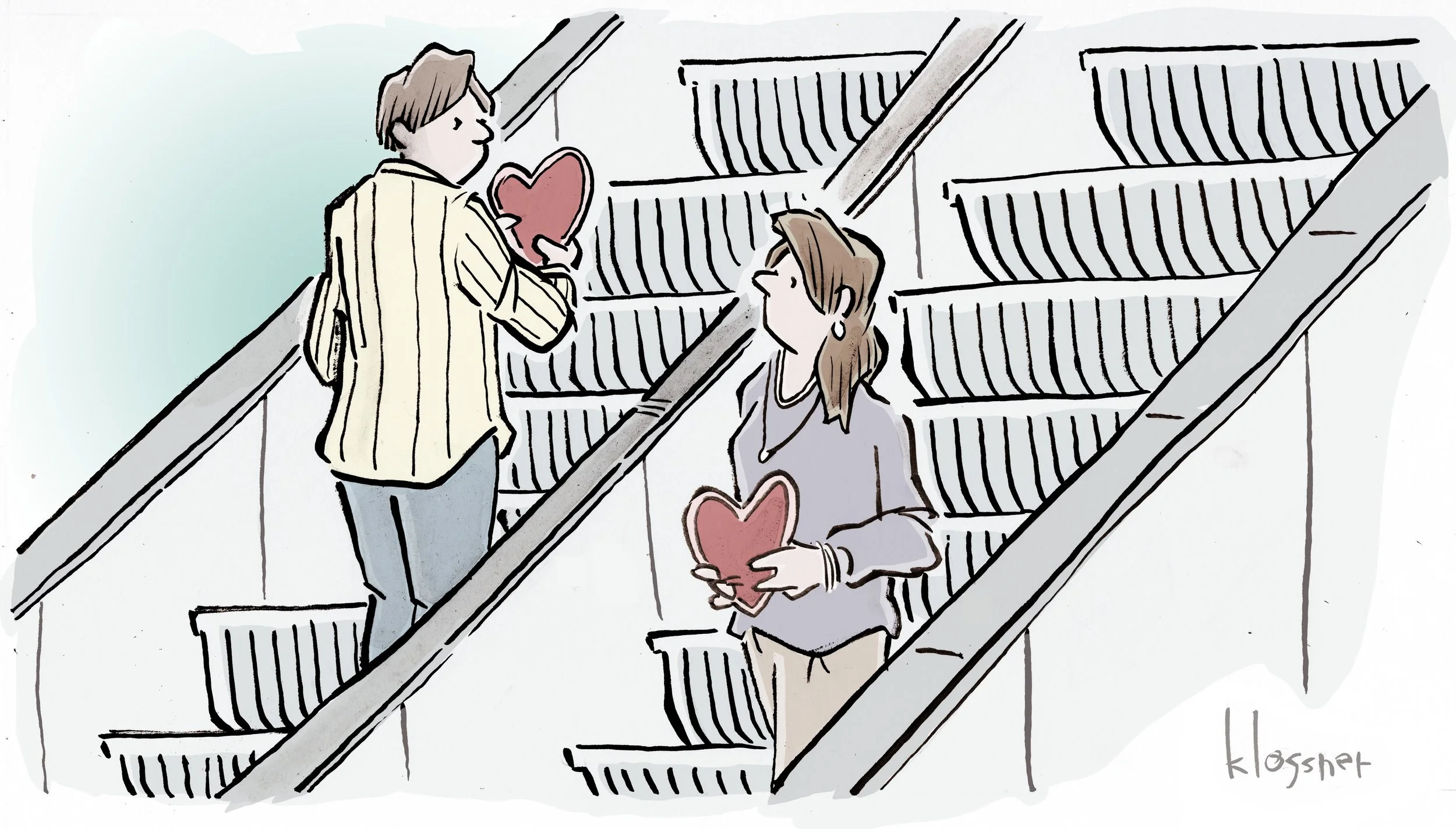
From time to time, someone decides to resurrect the same debate about 500 Days of Summer (2009): was Summer the villain, or was Tom simply delusional? The response to that question rarely changes. Summer is perceived as a cold, evasive witch who purposely misleads poor Tom, while Tom is defended as a romantic, perhaps naive, but well-intentioned good guy. The framing of that narrative is quite unsurprising, almost expected, because it provides the natural urge to assign fault cleanly; a way to make sense of a dramatic, romantic split by assigning one person the role of the wrongdoer and the other the role of the one wronged.
This Is Why You Can’t Decide
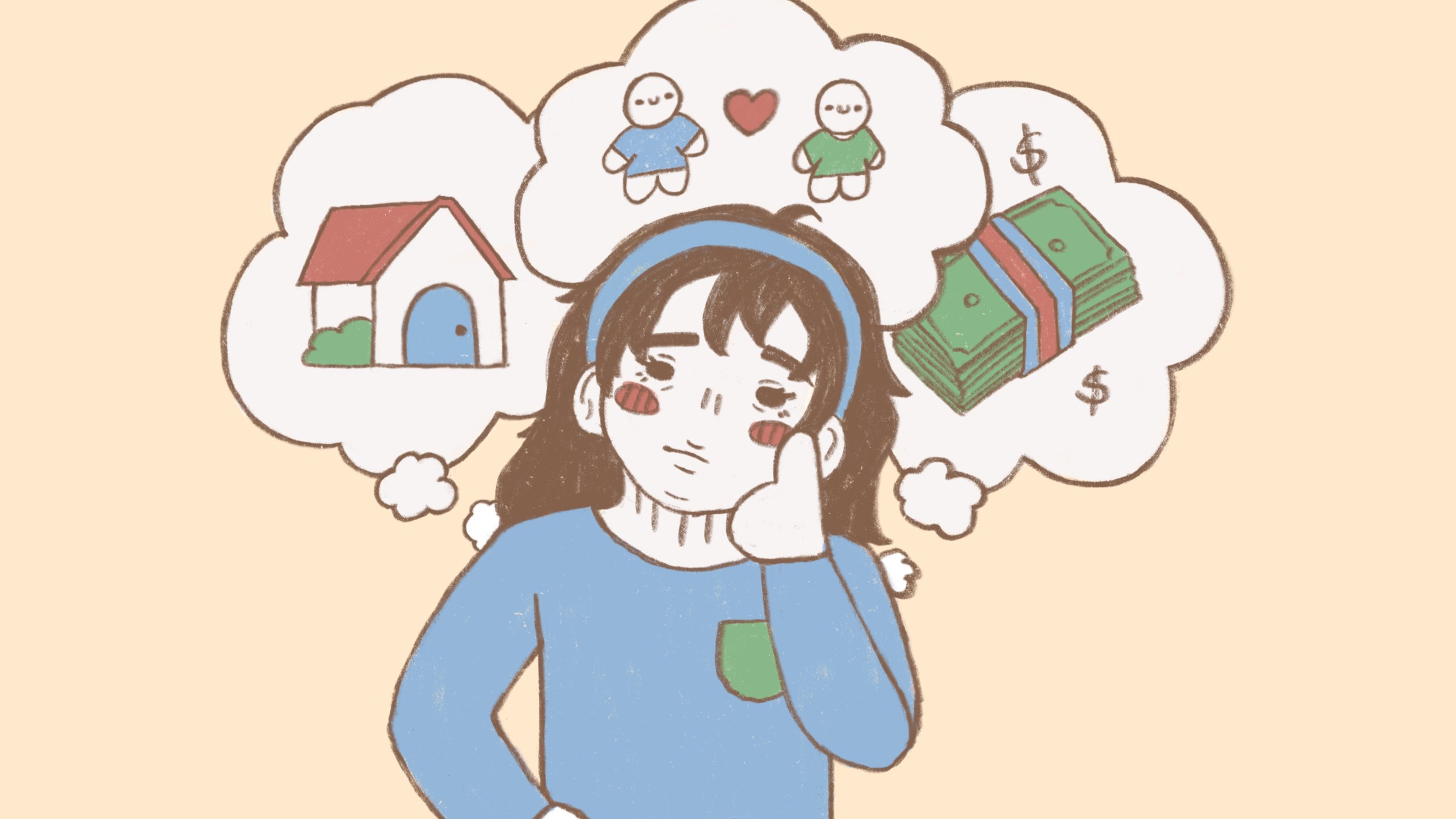
Real commitment used to lead to milestones. A marriage, a mortgage, a job, a new city. These were all declarations, not just one-off choices or premeditated decisions. Today, permanence feels less like security and more like risk: to our identity, our autonomy, our finances, even our sense of self—especially as a woman who has been told both to settle and to have it all.
Fair warning, this essay is not nostalgic for compulsory marriage or shrinking yourself to fit into someone else’s script.

How to Live A Fulfilling Life Under Tyranny
Inside a community center at Allentown, Pennsylvania, the Working Families Party (WFP) organized a watch party for the Super Bowl half time show for groups of migrant families—only one of many around the country. The air was heavy with anxieties of a possible ICE raid as people huddled around one screen to watch a great American artist perform. This is not an excerpt from Orwell’s 1984, or a 21st century fiction retelling of World War II. This was two weeks ago in the U.S.
Alternative Literary Modalities: Video Essays, Audio Books, and Accessibility
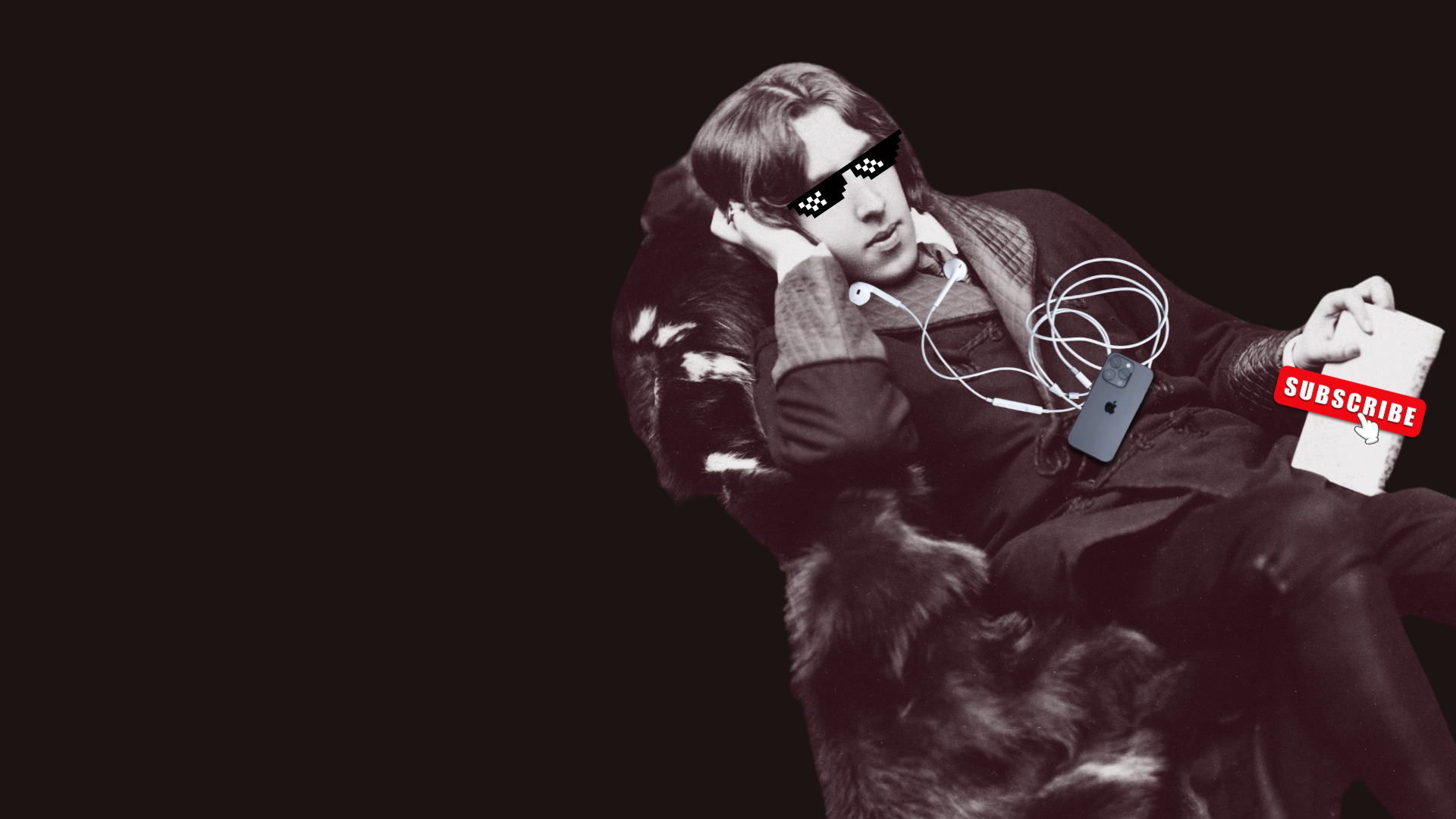
I am a strong advocate for the analog. I think music sounds better when on vinyl, pictures taken with my second-hand film camera are more charming, and my Omni-84 is a beast of an analog synth. What links these things together? The tactile, physicality of them all. Studying writing through my undergrad and my Master's left me with stacks of physical literature lining my shelves, but like many, I seldom open them. How tasteless! I can hear that one professor I had for Gothic Lit (who always pronounced French words heinously wrong) yelp—What a waste!
Jared Leto, Liberalism, and Coming of Age in the 2010s
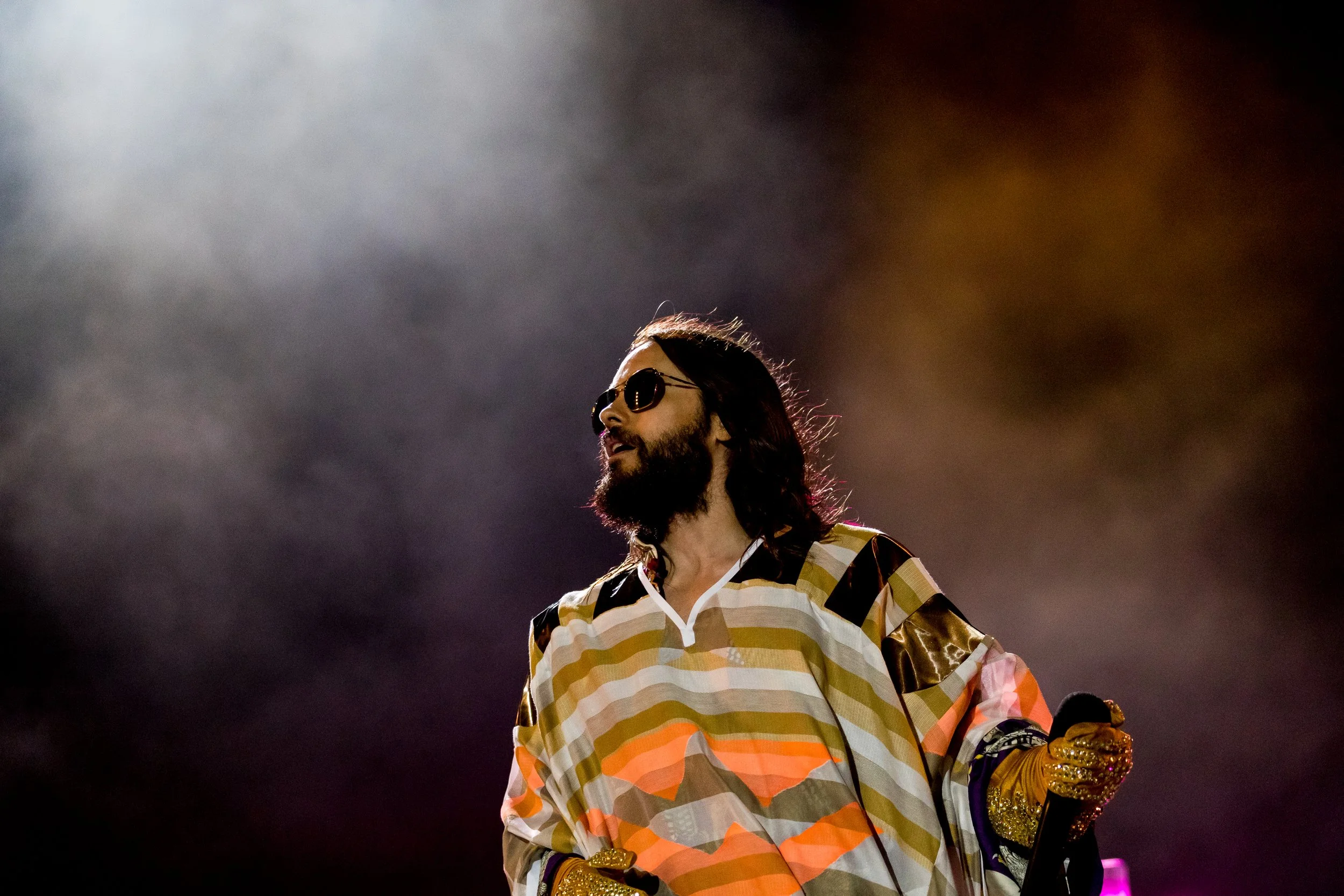
The year is 2014. I’m 16 and my dream is to be a foreign correspondent for Vice Media. I romanticize the aesthetics of Occupy Wall Street and the Vietnam War protest movement, and my bedroom walls are plastered with photos snipped from a Time Magazine special on the Arab Spring. I procrastinate my math homework, instead pouring over features detailing strife in faraway places recounted by journalists who work at liberal legacy publications.