JADEDOSKOW
INTRODUCING
New York-based architectural and landscape photographer
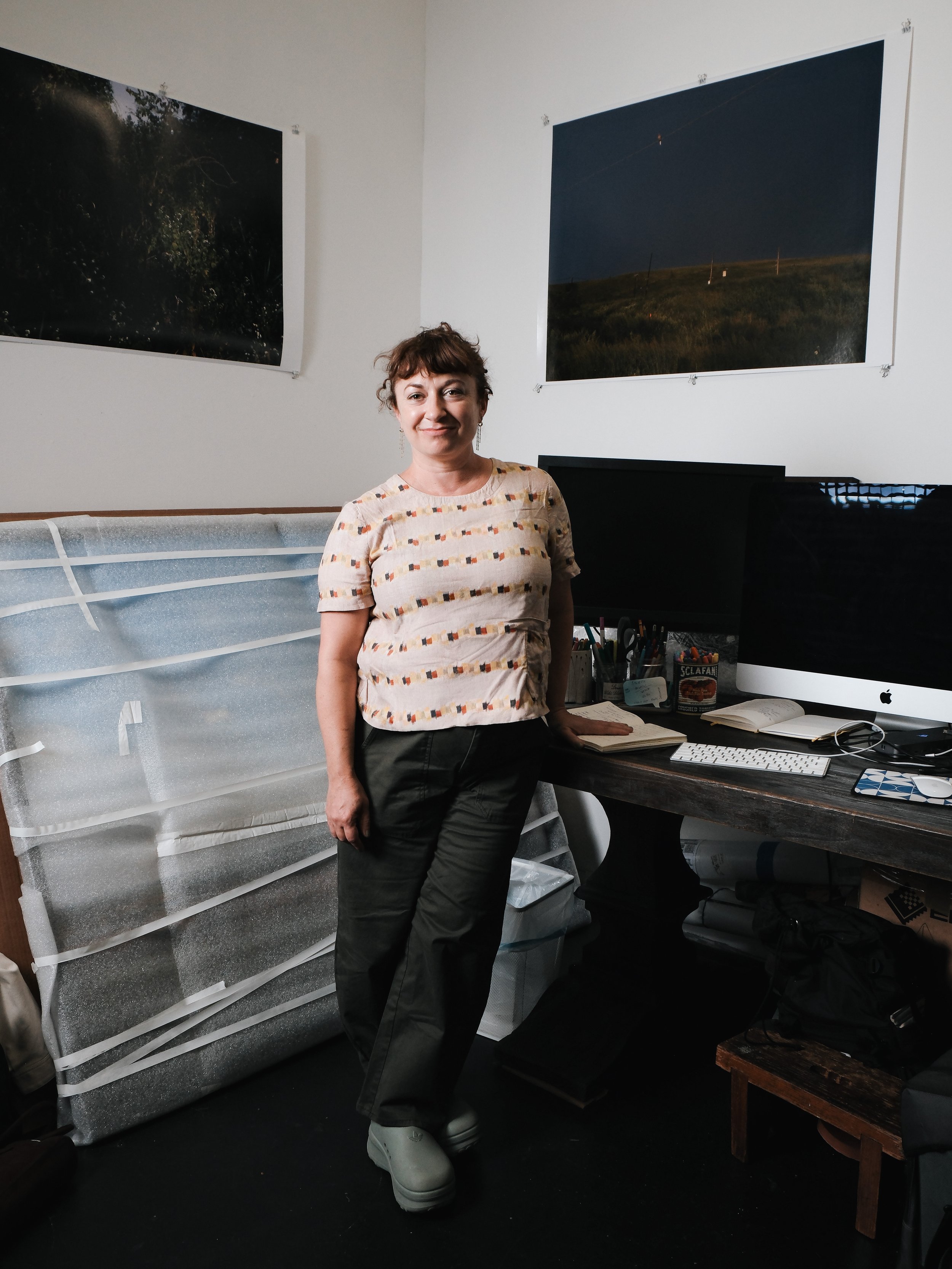
Jade Doskow in her studio at TI Art Studios in Red Hook, Brooklyn.
Photographer: Eden Pela | Visual Stylist: Karissa Poon
26th September 2026
Written by Re’Dreyona Walker
The light outside her Red Hook, Brooklyn studio has already gone flat and blue by the time Jade Doskow starts setting up her camera. It’s evening, and the tripod legs click into place one at a time; for a second, the studio goes quiet except for that sound — metal finding metal, a small “ritual” she’s performed thousands of times in places far less forgiving than this room.
Prints from decades of work line the walls around her: grasslands rising off a former landfill, a crooked building across the street from her apartment, the arts squat where she once worked her first darkroom shift. Tonight, though, there’s no landscape waiting on the other side of the lens. She’s just walking through the motions the way you’d demonstrate a piece of choreography with no music playing — starting, as always, with the legs of the tripod, planted and locked in place before anything else can happen.
“Stability is the name of the game,” she says, sliding the 1990s-era Arca Swiss camera body onto its rail.
Doskow doesn’t tell her own story in a straight line. She tells it in mounds — a fitting shape, given that her Freshkills project is quite literally about mounds, the four that make up Staten Island’s Freshkills Park, formerly the Fresh Kills Landfill she’s been photographing for nearly a decade.
The past keeps surfacing through the present in her telling, the same way it did, she says, in the yard of the house she grew up in outside Philadelphia — an eighteenth-century home where her parents would turn up colonial-era objects while gardening and working on the ruins of an old structure on the property. At one point, they had to dig deep for a new septic tank, and this is when the most remnants emerged — bits of pottery and metal tools in the yard.
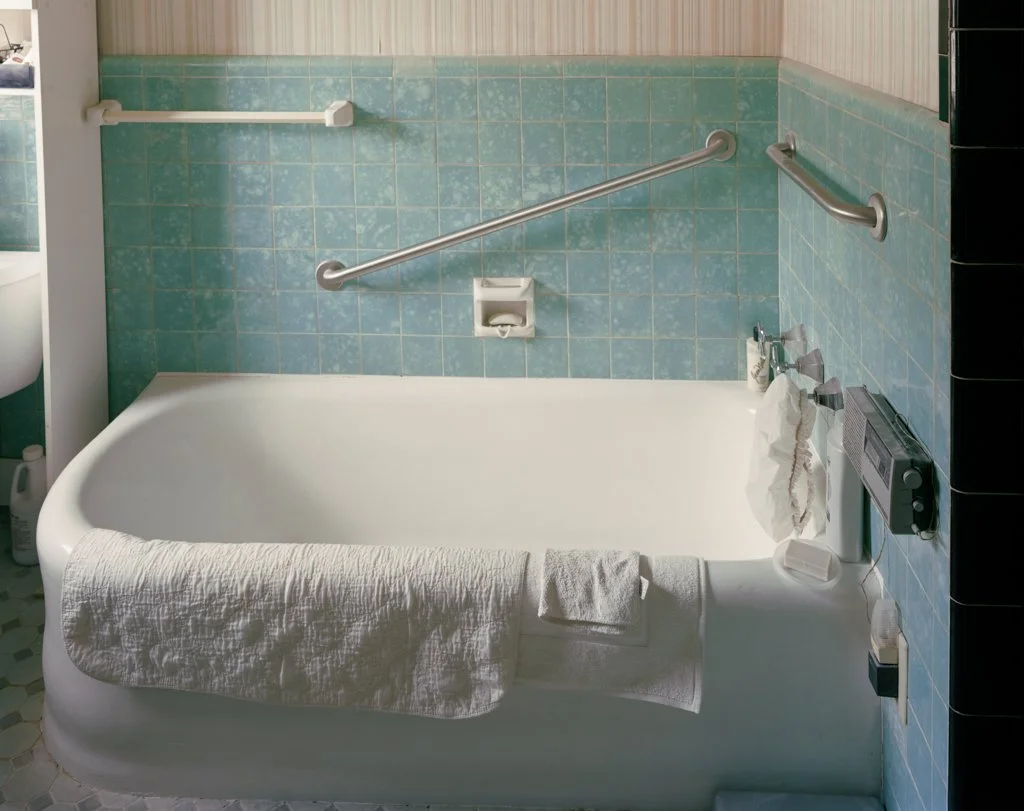
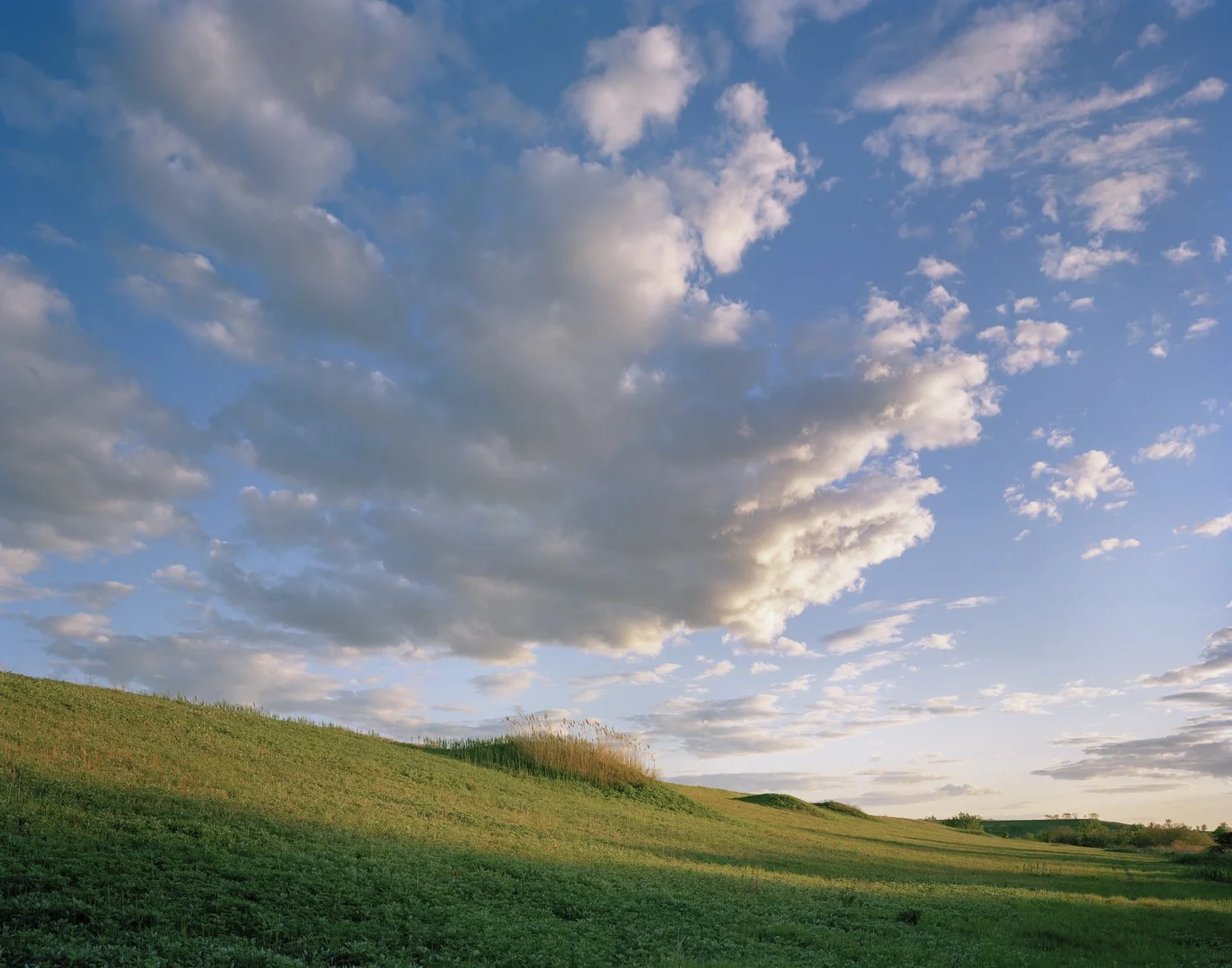
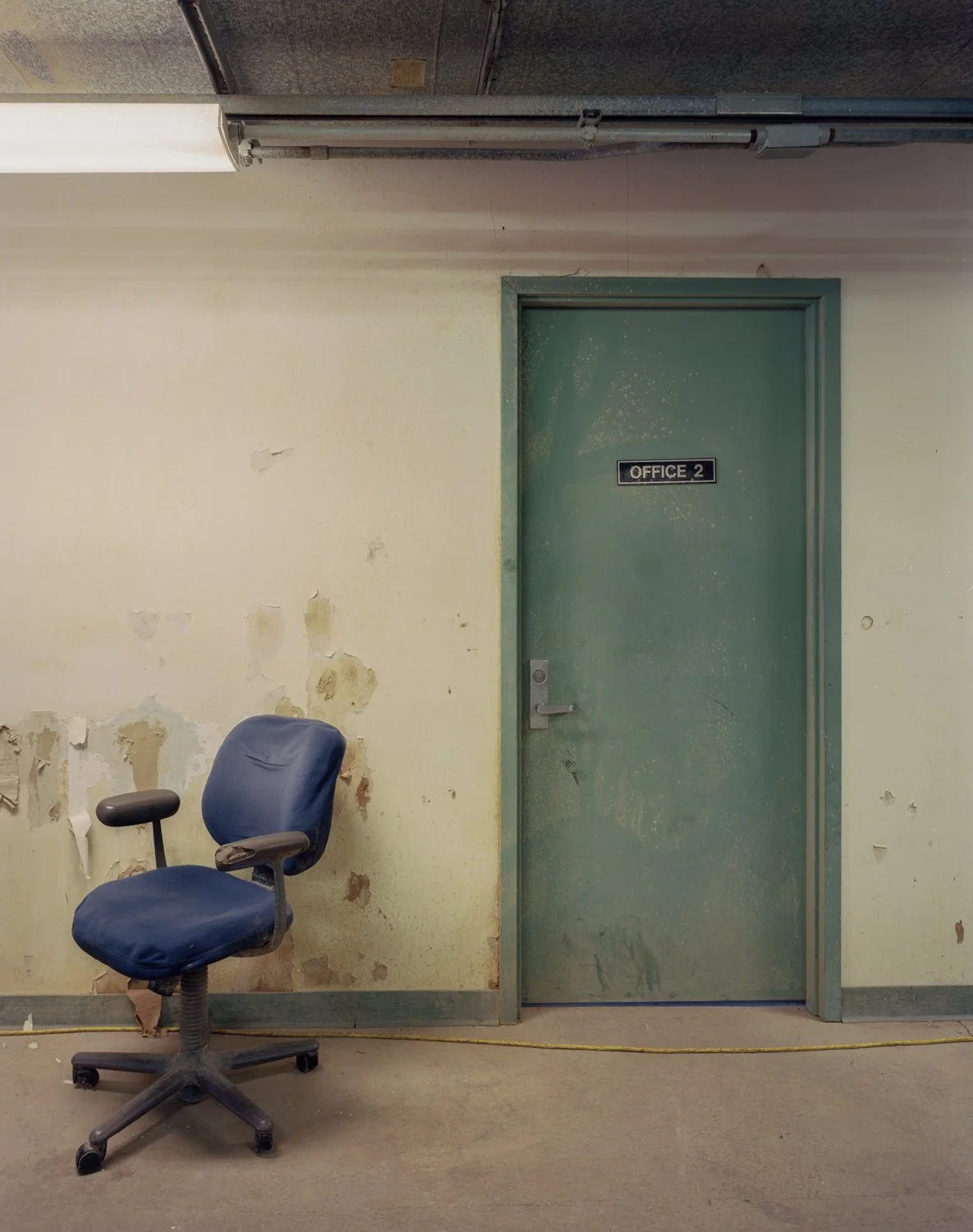
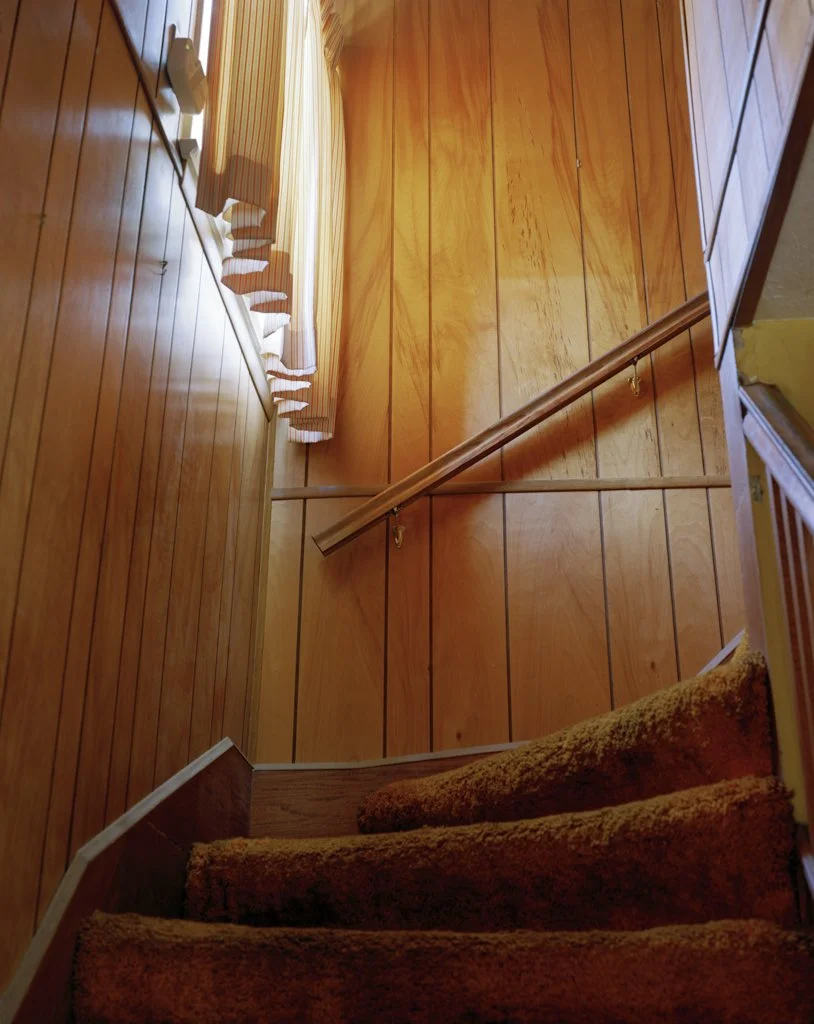
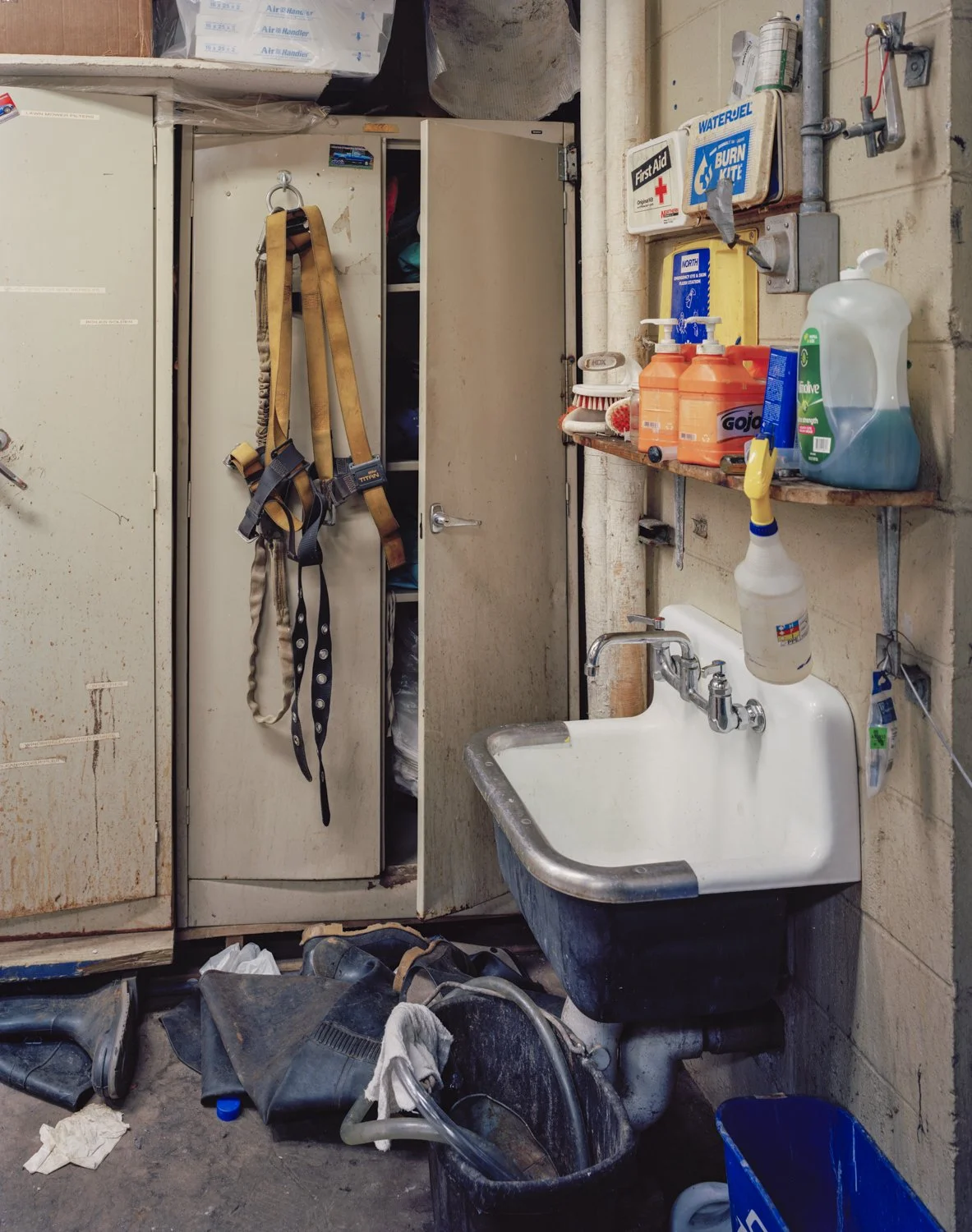
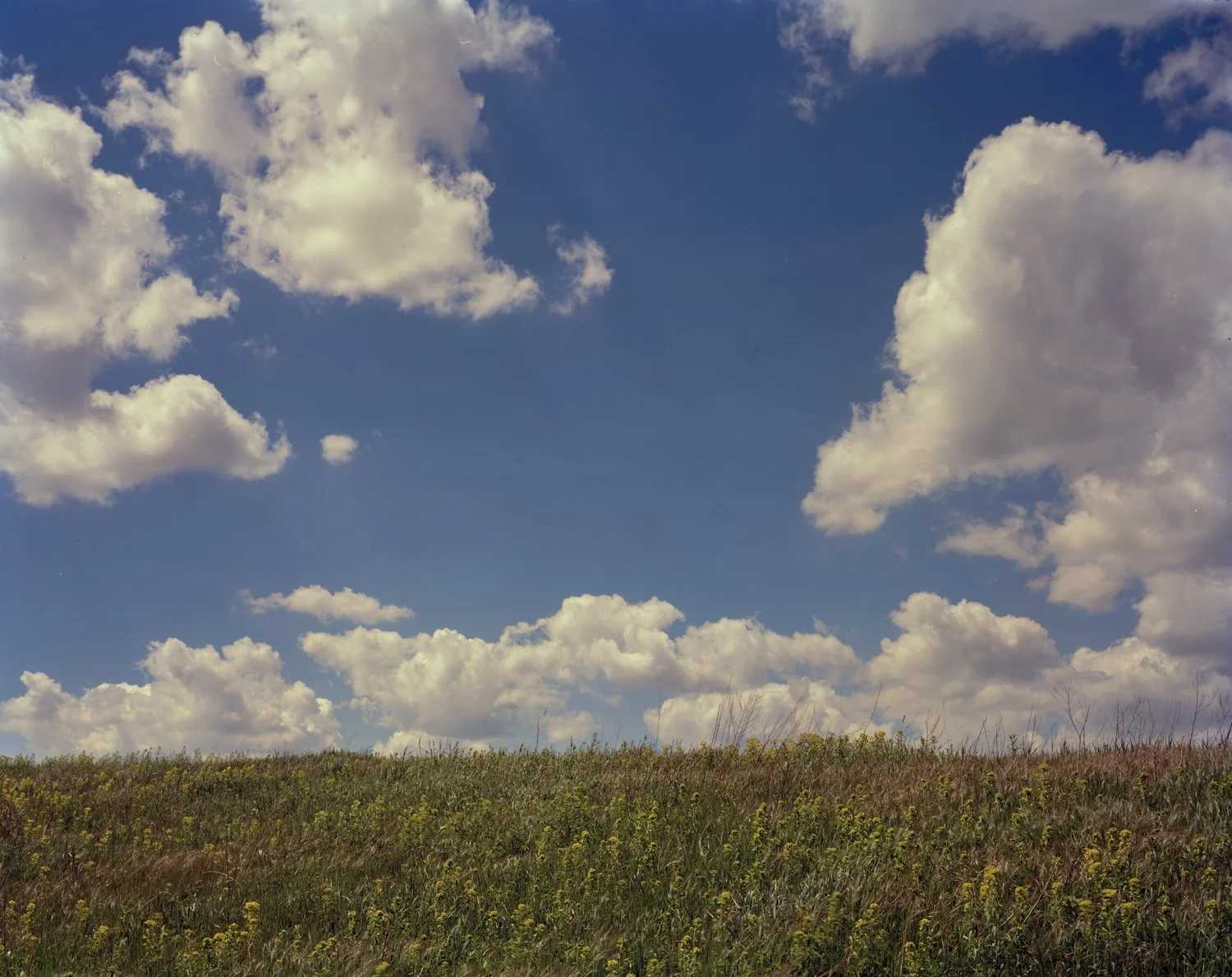
“The past is always present,” she says. “There’s this kind of blurring of timelines, wherever you are.”
She found her way to that blurring almost by accident, or by something that felt like an accident at the time. Fresh out of undergrad, she settled in Red Hook after discovering she’d fallen for the neighborhood and decided to photograph it. But not too long afterward, the neighborhood she loved so dearly began disappearing out from under her. “I went away for a few weeks, and I came back, and the entire block across the street had been demolished,” she says. “Buildings that had been there for 100 years.”
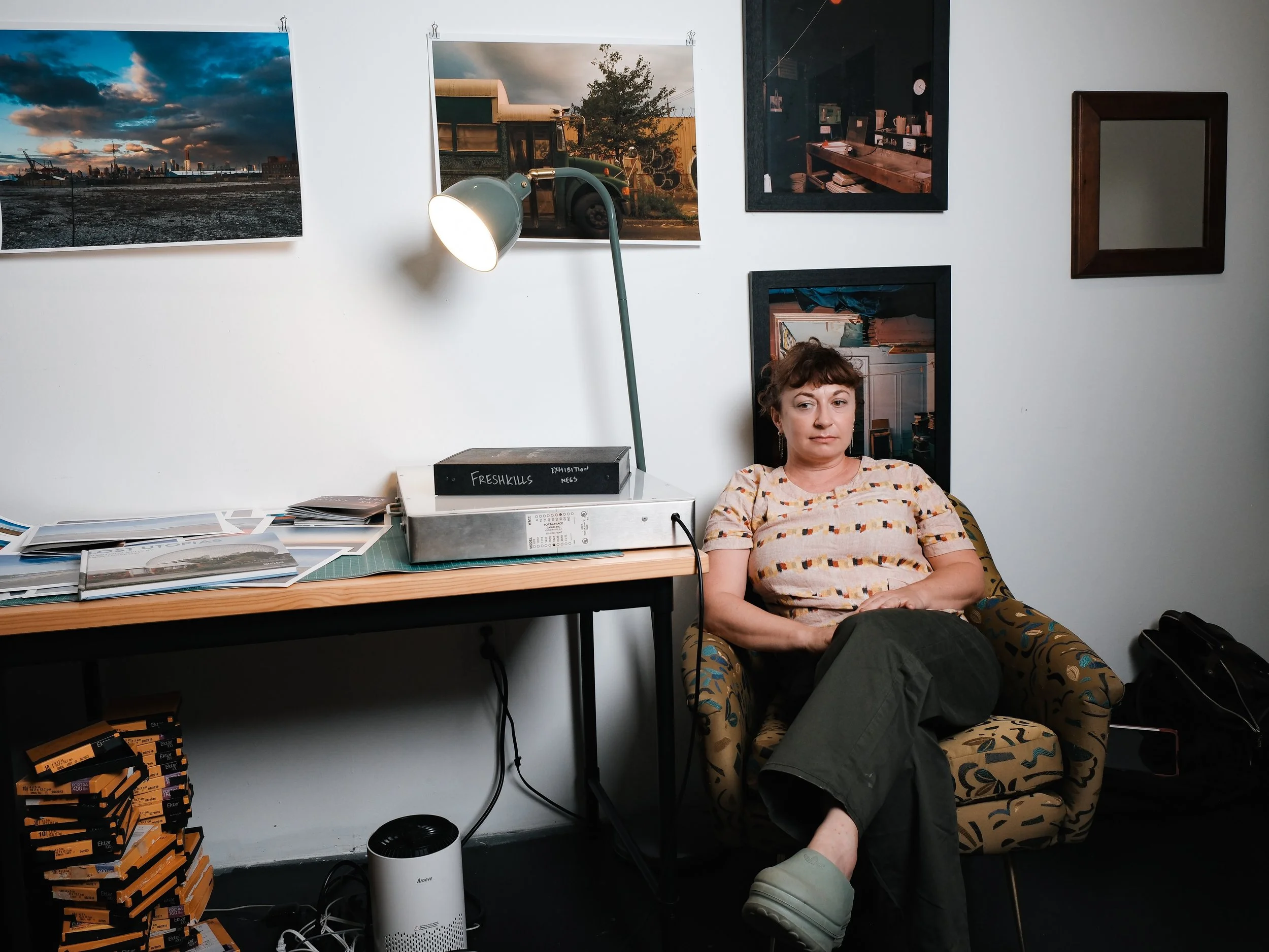
Photographer: Eden Pela | Visual Stylist: Karissa Poon
That kind of whiplash — 100 years gone in three weeks — became the engine behind everything she’d go on to create: Lost Utopias, her odyssey photographing the surviving structures of the world’s fairs; Freshkills; the neighborhood work in Red Hook that never really stopped more than 20 years later. None of it, she’s quick to say, was calculated. “I don’t take on projects unless they come across my path organically,” she says.
Before Doskow can show you a picture, she has to build one, and building one starts long before the shutter. Film holders sit stacked nearby, each one labeled by a hand-built system. The camera — bought years back from a fellow camera enthusiast near Union Square who had a few too many sitting around in his studio — demands total physical presence in a way nothing digital does. She opens the bellows, mounts a lens, and drapes dark cloth over her head and the ground glass to compose an image that appears upside down and reversed underneath the fabric. “There’s this abstraction that happens [when] composing pictures that’s quite different than a more typical handheld camera,” she says.
Out at Freshkills, hauling this same rig across over 2,200 acres of grassland, marsh, and reclaimed hillside, she counts herself lucky to walk away with 20 exposures in a day. However, even with the camera leveled and composition locked, working this way means the perfect shot can shift and vanish before she’s ready. “I might get the camera set up, things are in focus, and then the light disappears, and I’ve lost it,” she says. But she doesn’t describe this as frustrating so much as formative. It forces a kind of attention digital never requires of her, a slowness she now can’t imagine working without. “I think that’s always invaluable for one’s work.”
There’s theater in it, too, and she’s aware of it. Under the dark cloth, composing, she calls it putting on her “magic cape.” In 2008, while photographing in Parc du Cinquantenaire in Brussels for Lost Utopias, a police officer approached her rig, and instead of trouble, he lit up at the sight of it — “Quel magnifique!” he said — and let her keep working. People tend to get excited by the sight of the camera, she says cheerfully, in a way that’s opened doors for her more than once in the field. The animals at Freshkills, though, are less impressed, she jokes. “The animals don’t really care one way or another.”
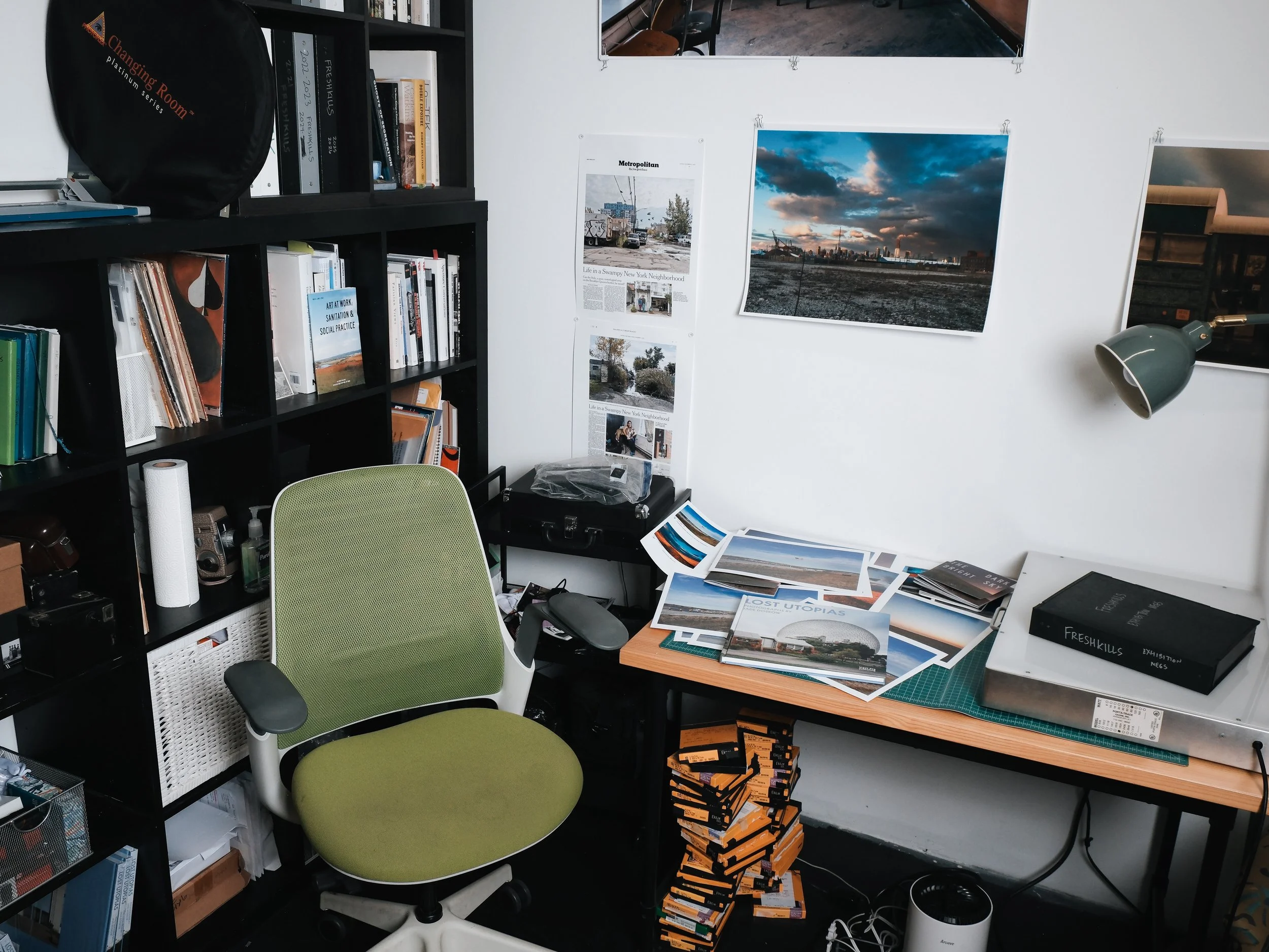
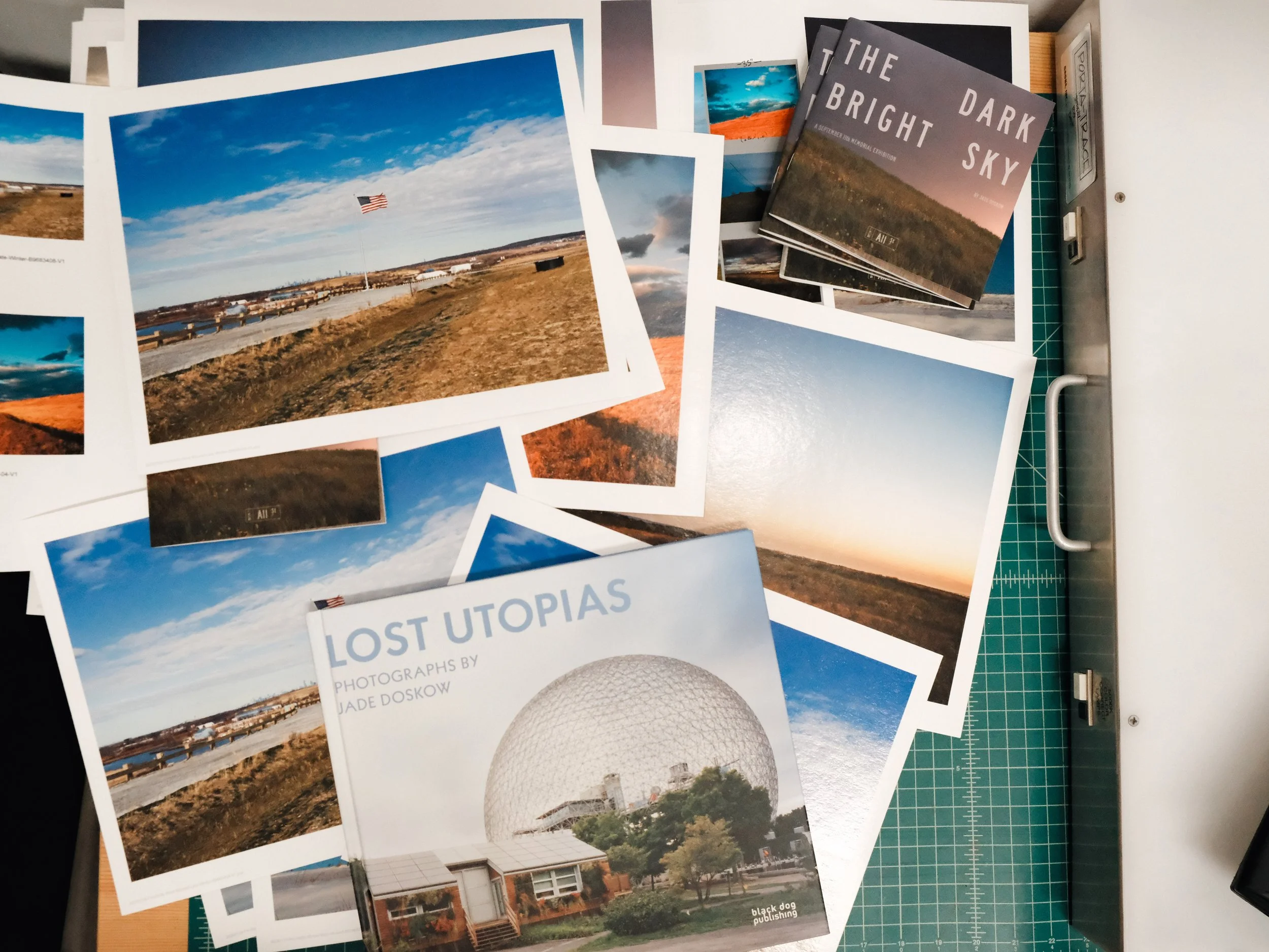
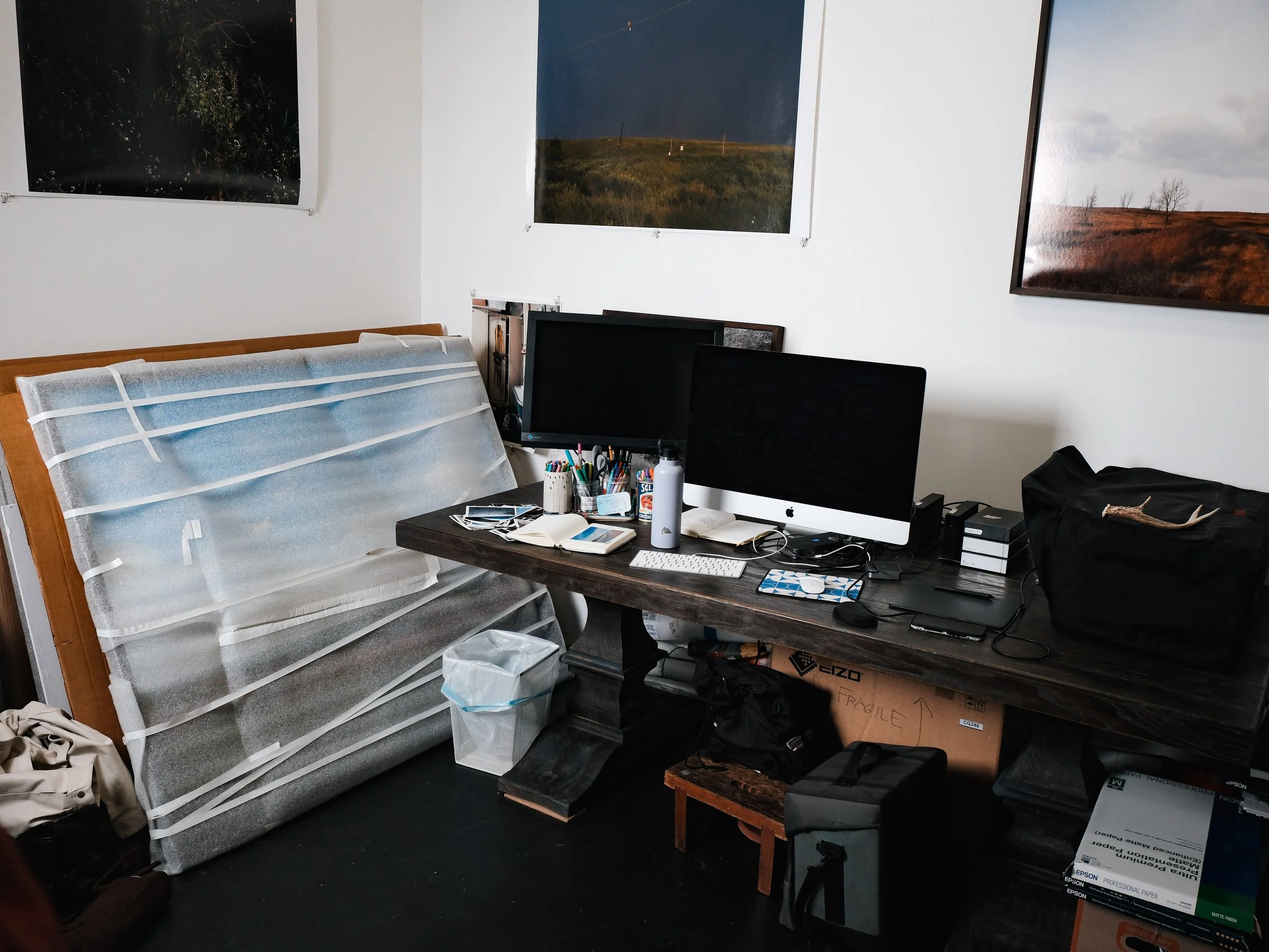
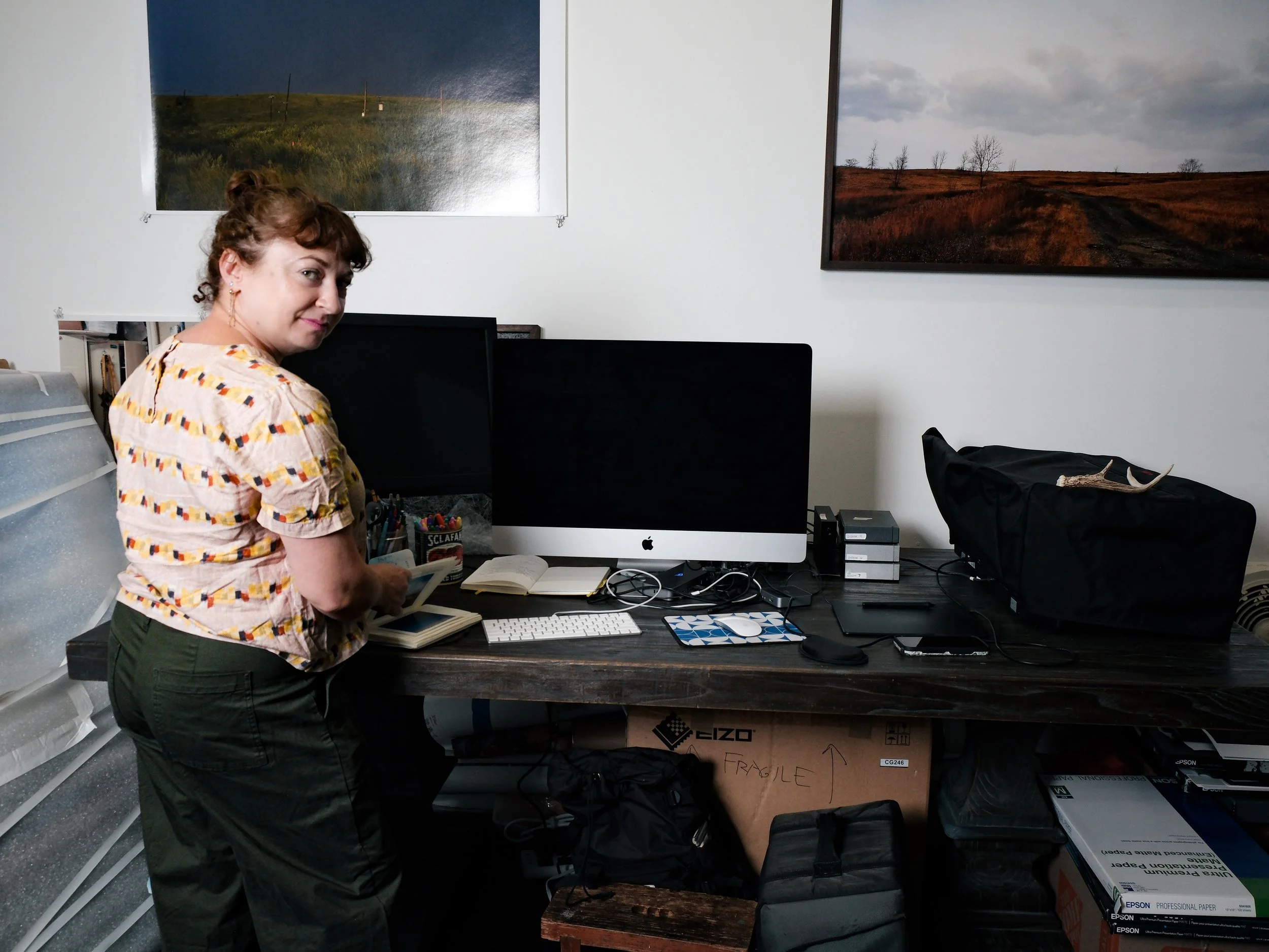
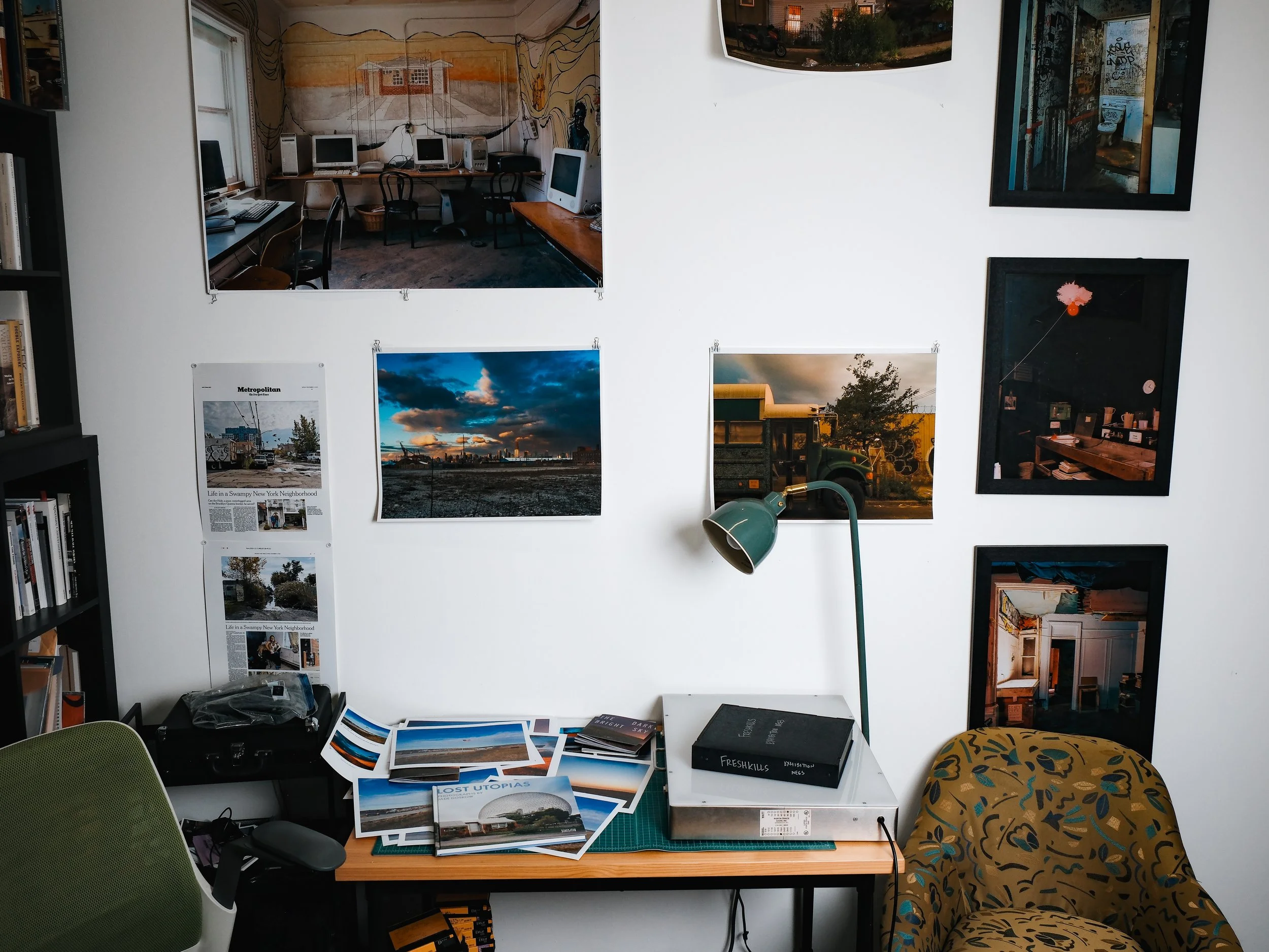
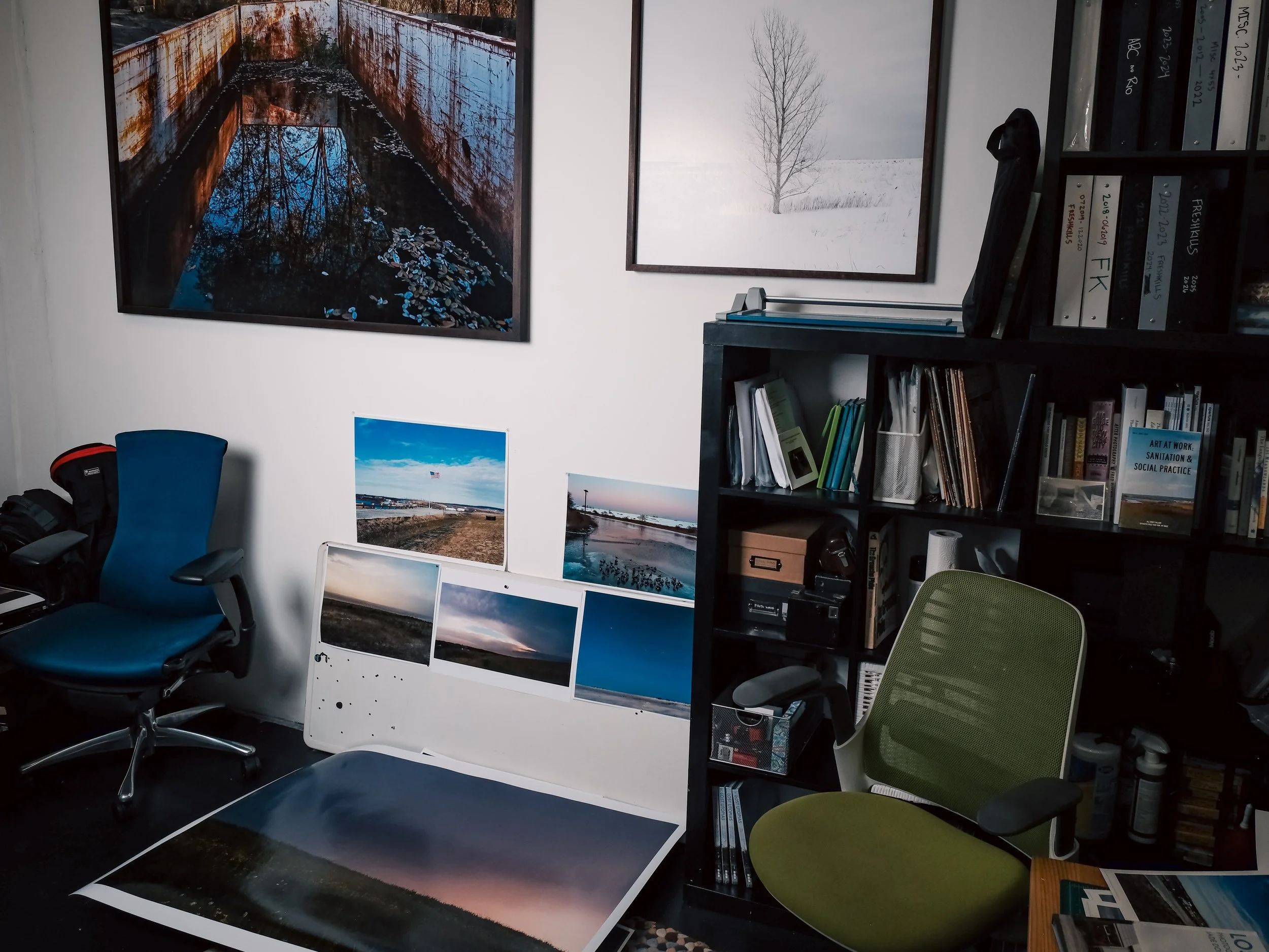
Freshkills, now in its ninth year for Doskow, is unlike anything else she’s worked on — not just in scale, but in the sheer number of institutions she has to move through to make a single photograph. She partners with the Department of Sanitation and NYC Parks, each with its own rules, escorts, and understanding of what the site means. The deeper she gets, she says, the more intriguing and complicated the systems behind it reveal themselves to be. “The longer I work, the more I realize how complex the systems are that are behind this site,” she says. “[Though] I continue to learn and learn more about what I'm witnessing and what else I want to explore.”
That complexity carries a weight most of her other projects don’t. Doskow was in her early 20s on September 11, 2001, biking to her job as a photo printer. She was on the Williamsburg Bridge when the first plane hit. “All of us just stood and stopped and thought it was an accident,” she says. “And then the other plane hit, and we all realized something was terribly wrong.” The next day, she went in to work and printed photojournalists’ images from the wreckage — blood, ash, the raw material of a catastrophe passing through her hands one print at a time.
Videography by Devin T. Klos
That memory sat dormant for 17 years until 2018, when she started the Freshkills project and learned that the site is divided into four mounds — North, South, East, and West — and that its West Mound is set apart from the others: the debris and remains from the World Trade Center were brought there because Fresh Kills (already closed to household waste by then) was the only site in the city large enough to receive it. Sanitation guards the West Mound closely; getting access requires an extra supervisor on top of her usual Parks escort. A modest memorial marks the burial ground itself. “As soon as I had access to West Mound, I felt this is a sacred site, and this is this piece of history right here,” she says. “I thought about it all the time.”
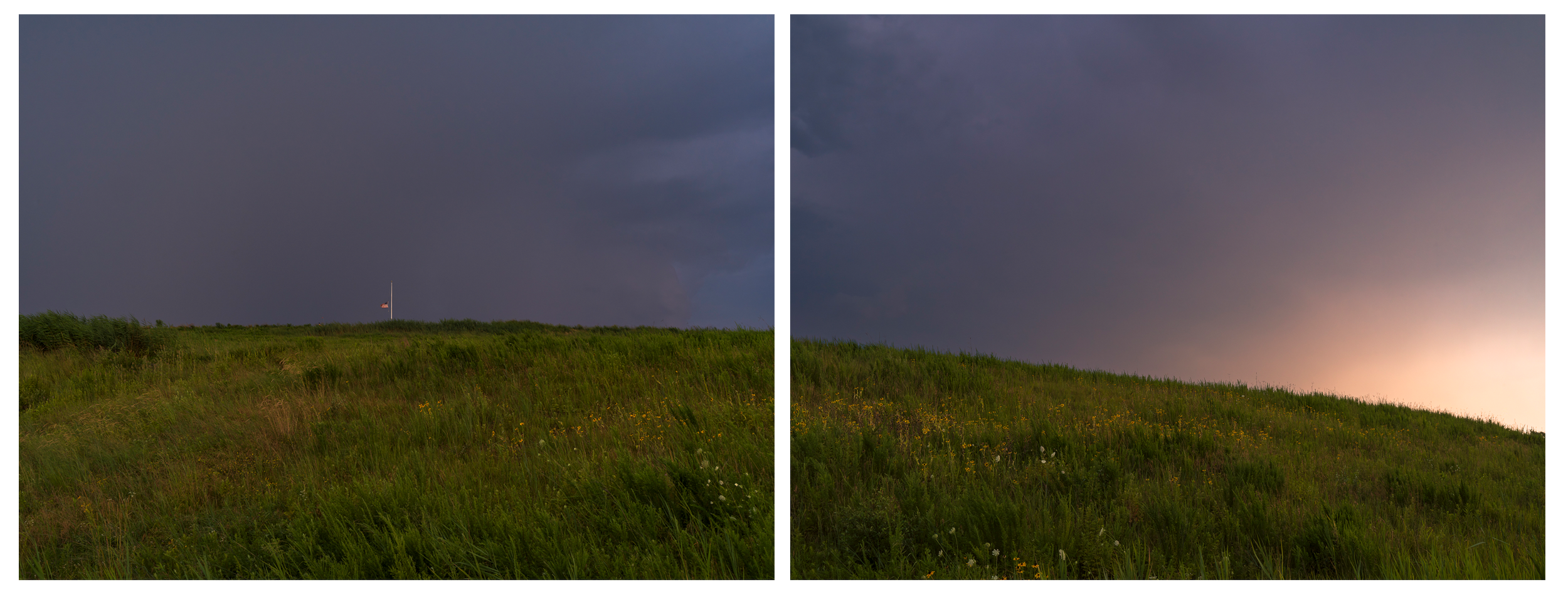
That awareness shaped her latest exhibition, The Dark Bright Sky, which arrives on the 25th anniversary of September 11th. Underneath the mounds sit 150 million tons of garbage, and Doskow made a deliberate choice, throughout the process, to keep anything that reads visually as “landfill” out of the frame — nothing that would announce, to a viewer, what the ground beneath West Mound used to be. “I wanted the work to be as sensitive as possible to people… their loved one could very well be buried out there,” she says.
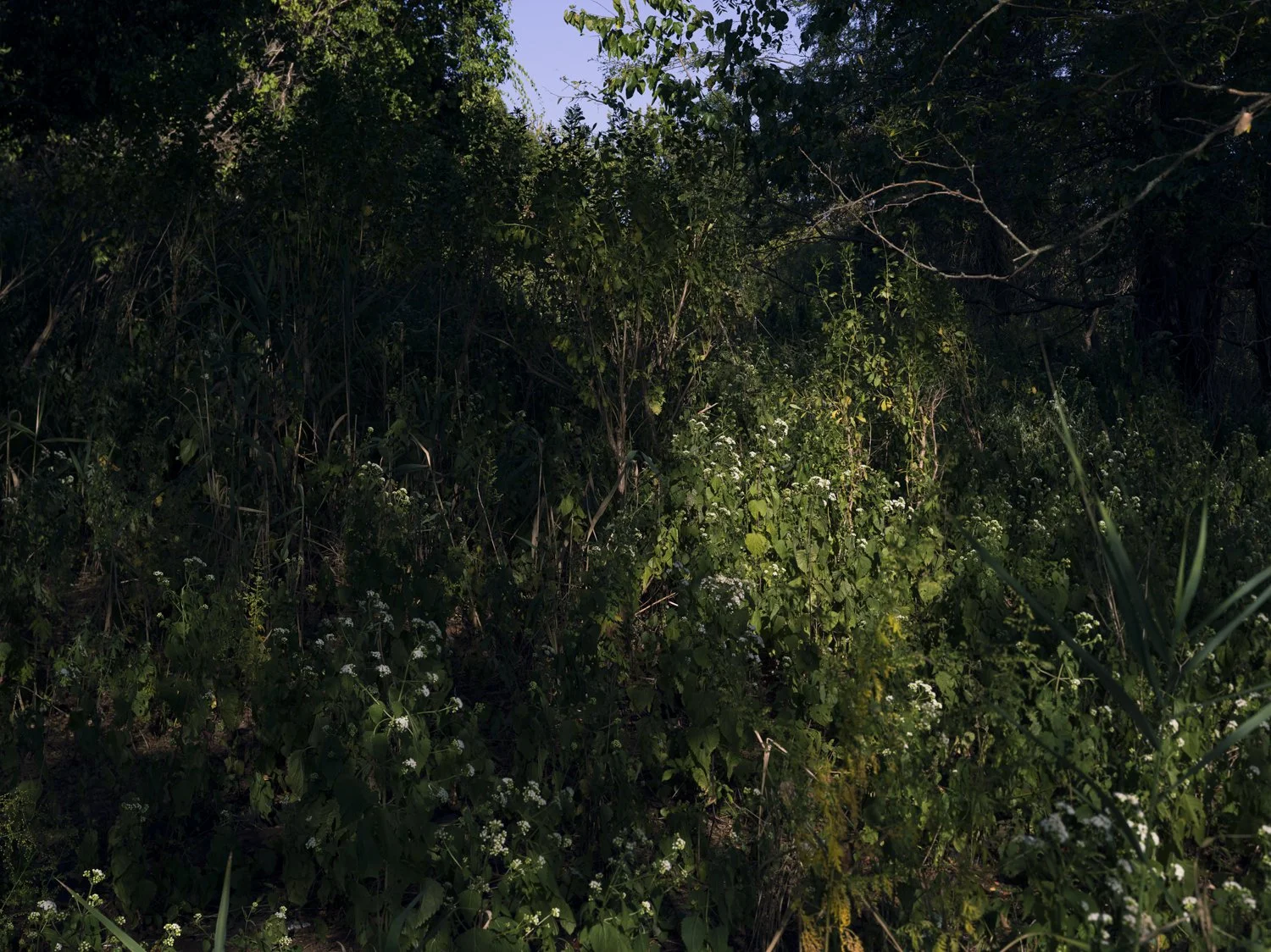
Much of the new work was made at night, in long exposures, from high points on the mound — 210 feet above sea level — looking out toward the New Jersey industrial corridor, the Manhattan skyline, and the rest of Staten Island. She wanted the pictures to hold something closer to the cosmic than the historical: rewilded grasses, returning fauna, and the strange dignity of a place healing in full view of the city it’s tethered to.
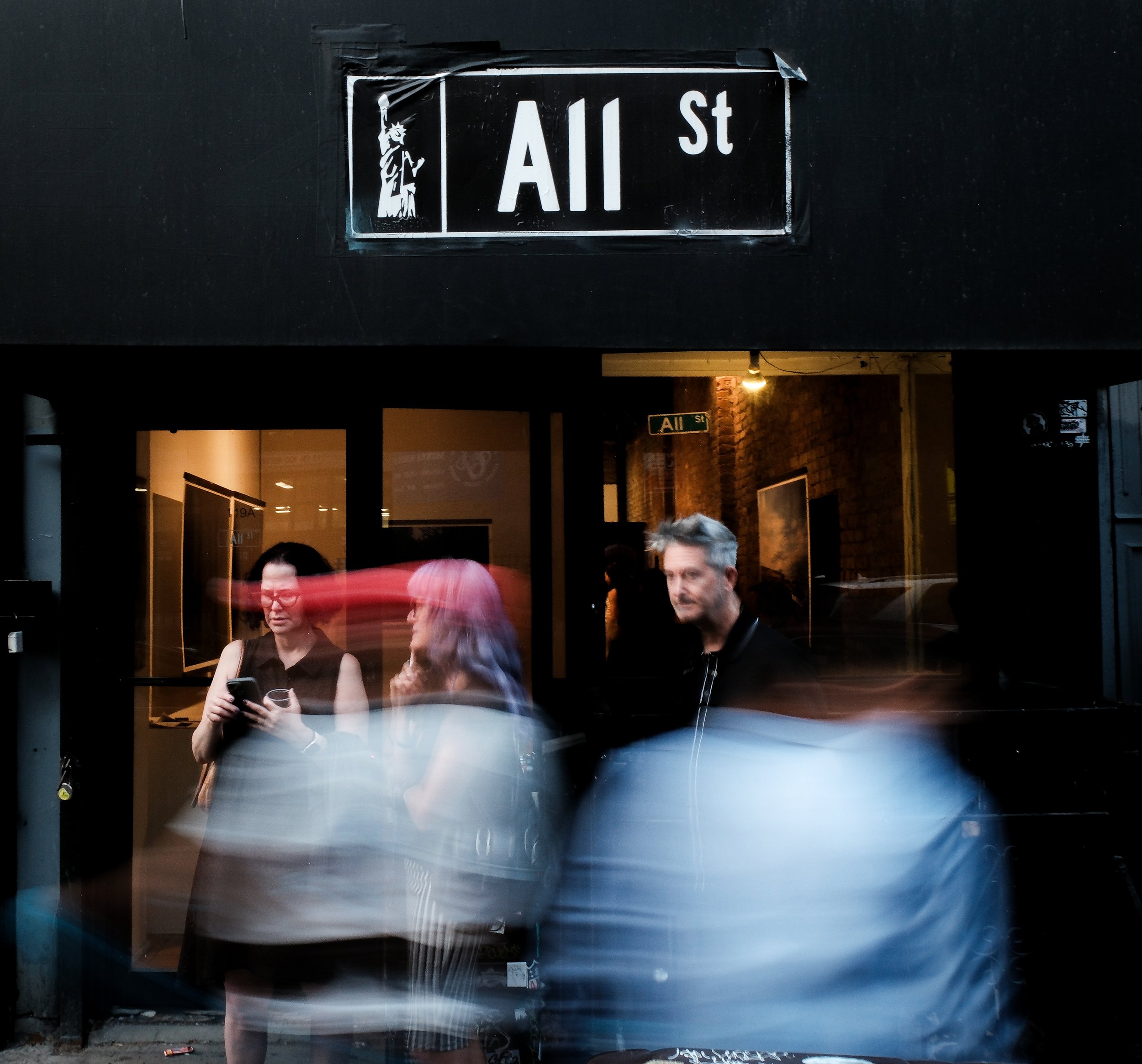
Outside Doskow’s exhibition opening, The Dark Bright Sky: A September 11th Memorial Exhibition (Sept 12-October 2nd, 2026) at All Street Gallery, 119 Hester Street, New York, NY
Even now, 25 years on, she doesn’t claim to have landed on a solid answer as to what her work, including the site, is asking of her. “It’s an unanswerable project, she says. “I think that’s why I keep working.” Freshkills, to her, holds both ends of what people are capable of. “I do feel like there's this honesty to the Freshkills landscape that reflects humanity directly. Maybe because it represents the worst that humanity can do [with] all of this garbage destroying a natural place, but also the best that we can do, which is rewild it, create a new wilderness that brings flora and fauna...But I think I'm always asking something. Who are we, and why are we here? Possibly this site holds these answers. The best I can do is try.”
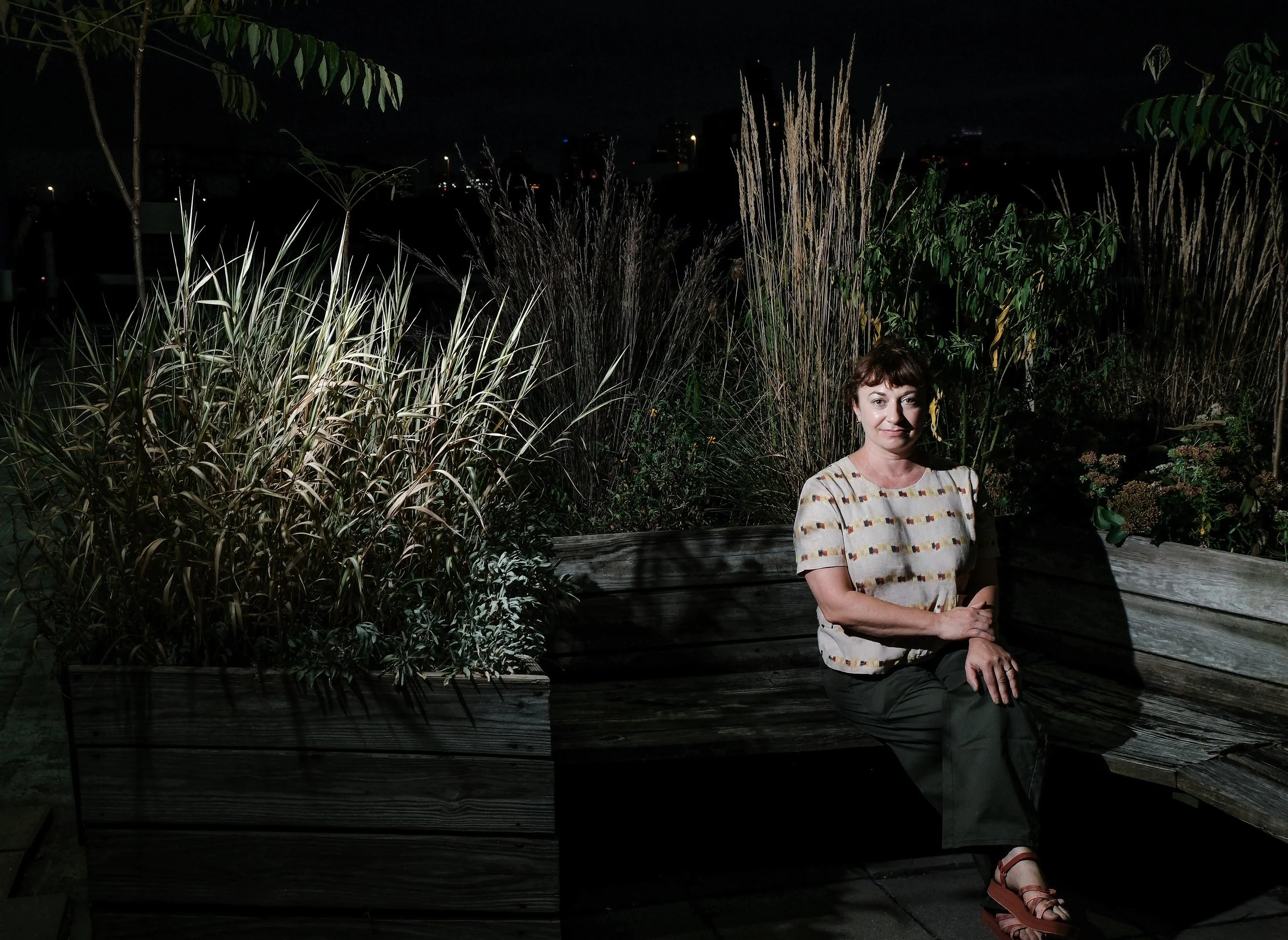
Photographer: Eden Pela | Visual Stylist: Karissa Poon
That same effort — trying to make sense of what the site won’t resolve — shows up even in how she holds onto her own collection of photographs. Asked to pick a favorite from the decades of pictures surrounding her in her studio, she can’t quite settle on one — “they are all my babies,” she says — but keeps circling back to a long exposure of overgrowth at Freshkills, drawn to what she calls its “unchecked vibrancy”: proof, on film, that something can grow back louder than what buried it.
By the time she folds the dark cloth away and lets the shutter fall, you realize why this process is considered a sort of "ritual." Everything before the shutter opens — the loading, leveling, and waiting for light, which may or may not hold — mirrors a lengthy passage of time. It’s more or less the same amount of time, scaled up over days, months, and years, that separates a landfill from a memorial, or a fair pavilion built for six months from a monument that outlives everyone who built it. Not a single transformation, but a slow, deliberate accumulation of frames, each one asking the ground to hold still just long enough to be perceived anew.
In Partnership with