

Second
Thoughts
A home for personal meditations, critiques of art and literature, politics, sketches, and deconstructions that dive beneath the surface of thought. Experiment with form here, relate with current events, read and talk about a book you’ve never read or perhaps want to read, and criticize something, anything, everything.

No Matter What, He Must Step Down
Found guilty? We’ve let another attain a position of federal power. Found innocent? Democrats lose all ethical standing to prosecute for the Epstein files. Platner staying in this race, whether he has support from his party or not, sets a precedent that I’m not sure can ever be undone.
2016: The Fever Dream of Optimism
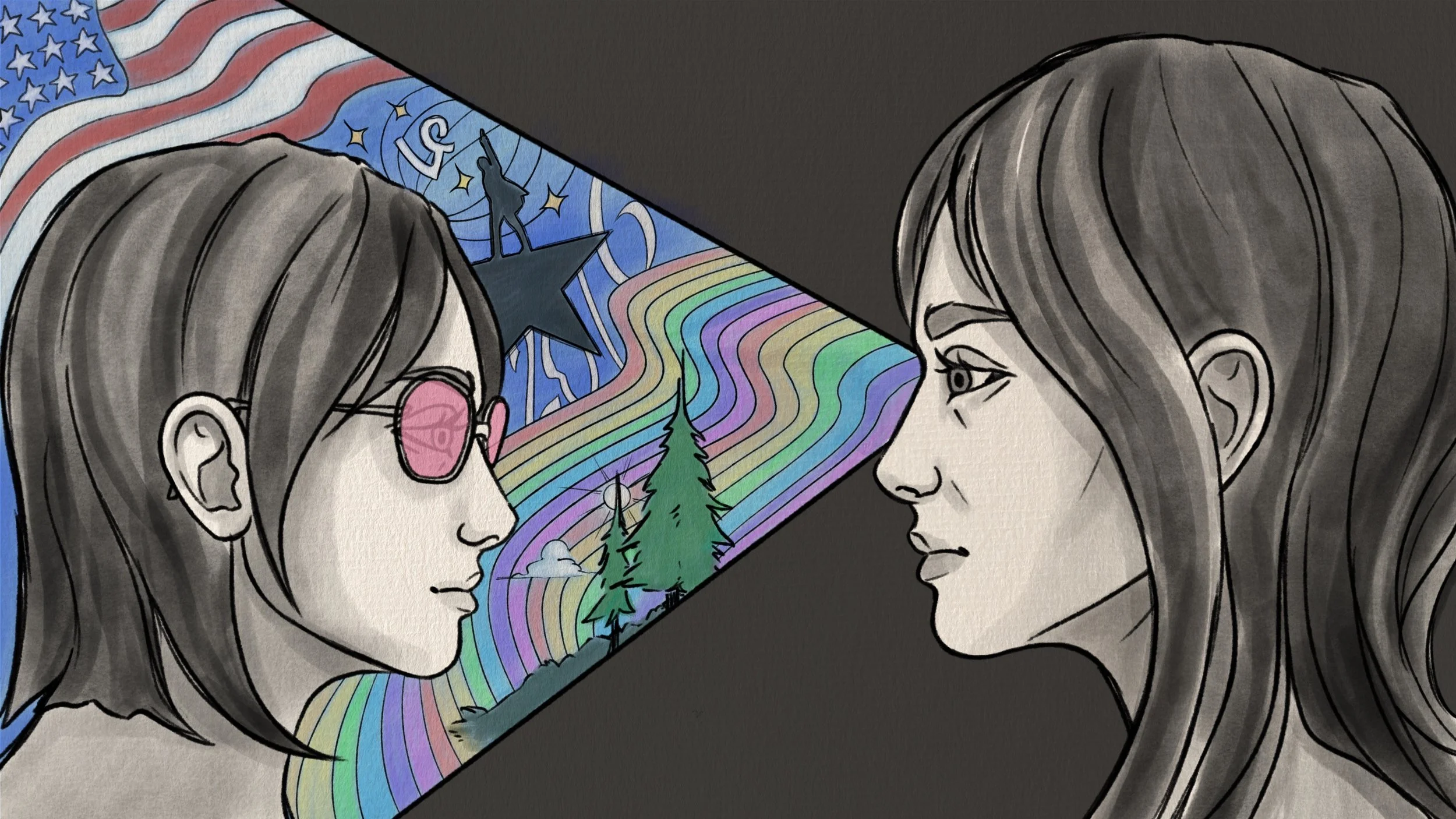
The problem with this 2016 brand of optimism is that it is an obfuscation. It directs our attention to shimmering ideals of liberty and away from the very real issues of rising wealth inequality, entrenched racism, environmental devastation, and the obstinate refusal of our leaders to do anything to fix these problems. Instead of interrogating the idiosyncratic American goal of forging a classless society on an economic system reliant on the existence of a labor class, or acknowledging the malignant grip of whiteness on our meritocratic mythologizing, 2016 gave us Hamilton, which laundered the images of the founding fathers, and hipsterism, which presented a more inclusive and quaint brand of whiteness.

What Happened to Euphoria?
When Euphoria ended, I wasn’t only left wondering why every storyline hadn’t been resolved. I was left wondering when the series had become so different from the one that had first drawn audiences in years earlier. Not because its characters grew older — that was obviously forthcoming — but because somewhere between its glitter-soaked dreamscapes and final chapters, the series exchanged one emotional language for another.
Apocalypse With Friends: A Love Letter to the Fabulous Killjoys
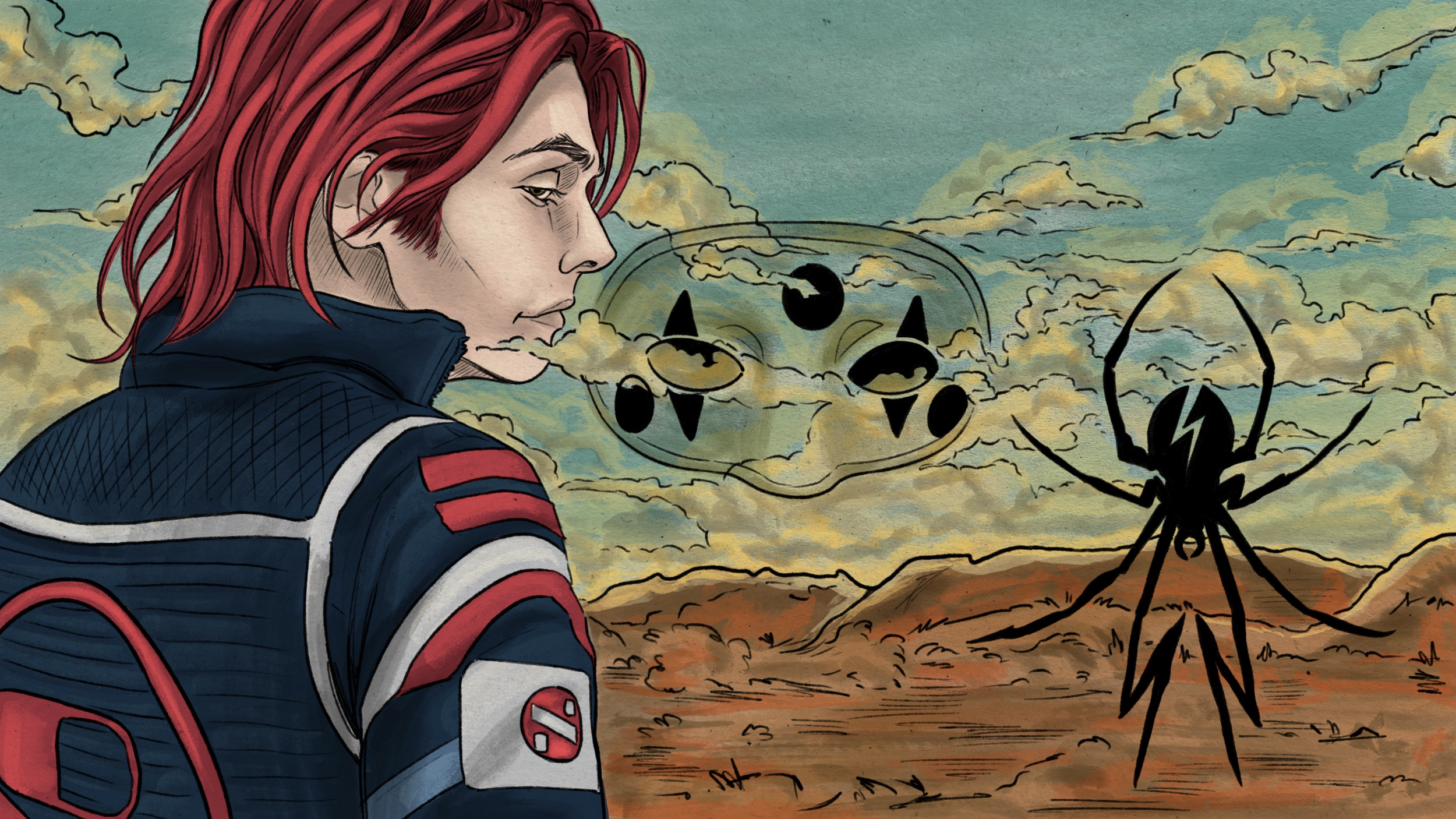
So much of our world today feels isolated. Our political movements take place online and are rife with infighting and sometimes even hatred for each other. Every day, it feels like I’m watching the world end from behind a phone screen. Danger Day’s shows joy in the inevitable and resistance against impossible odds. Even when we fail, we have to keep going, to keep caring about each other.
Why Everyone’s Obsessed with Obsession
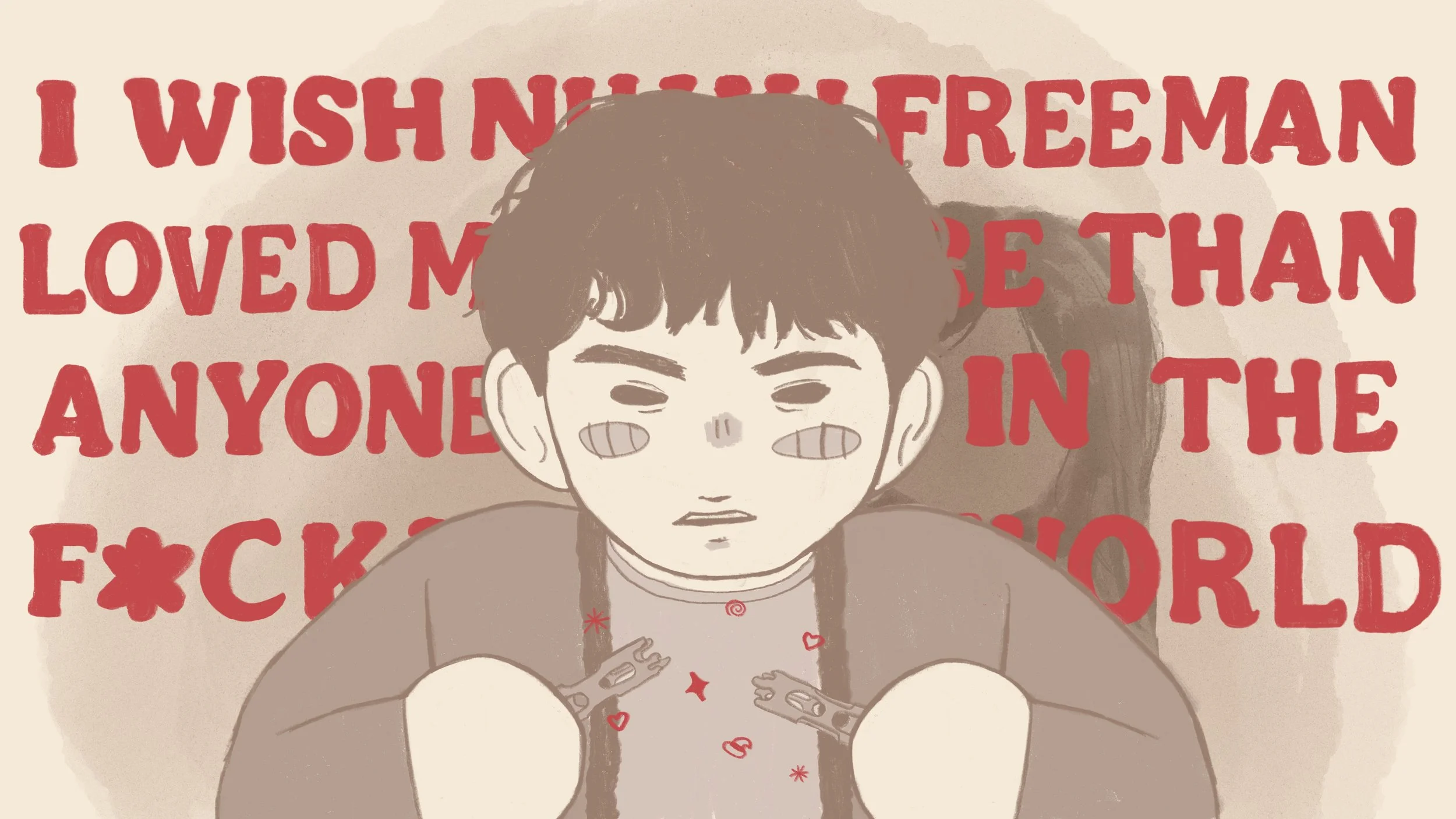
The worst of Bear comes in his interactions with Nikki after he makes the wish. He continues to sleep with Nikki, even though she isn’t herself anymore. As they have sex, the camera focuses on Nikki’s face, devoid of any emotion, staring off at the wall as she goes through the motion of moaning and making sex sounds. The one time Nikki recovers her agency enough to talk to Bear and she begs him just to kill her to free her from the wish. All Bear can say in response is, “What would be so bad? What's so bad about being with me?”
Michael Jackson, Misunderstood
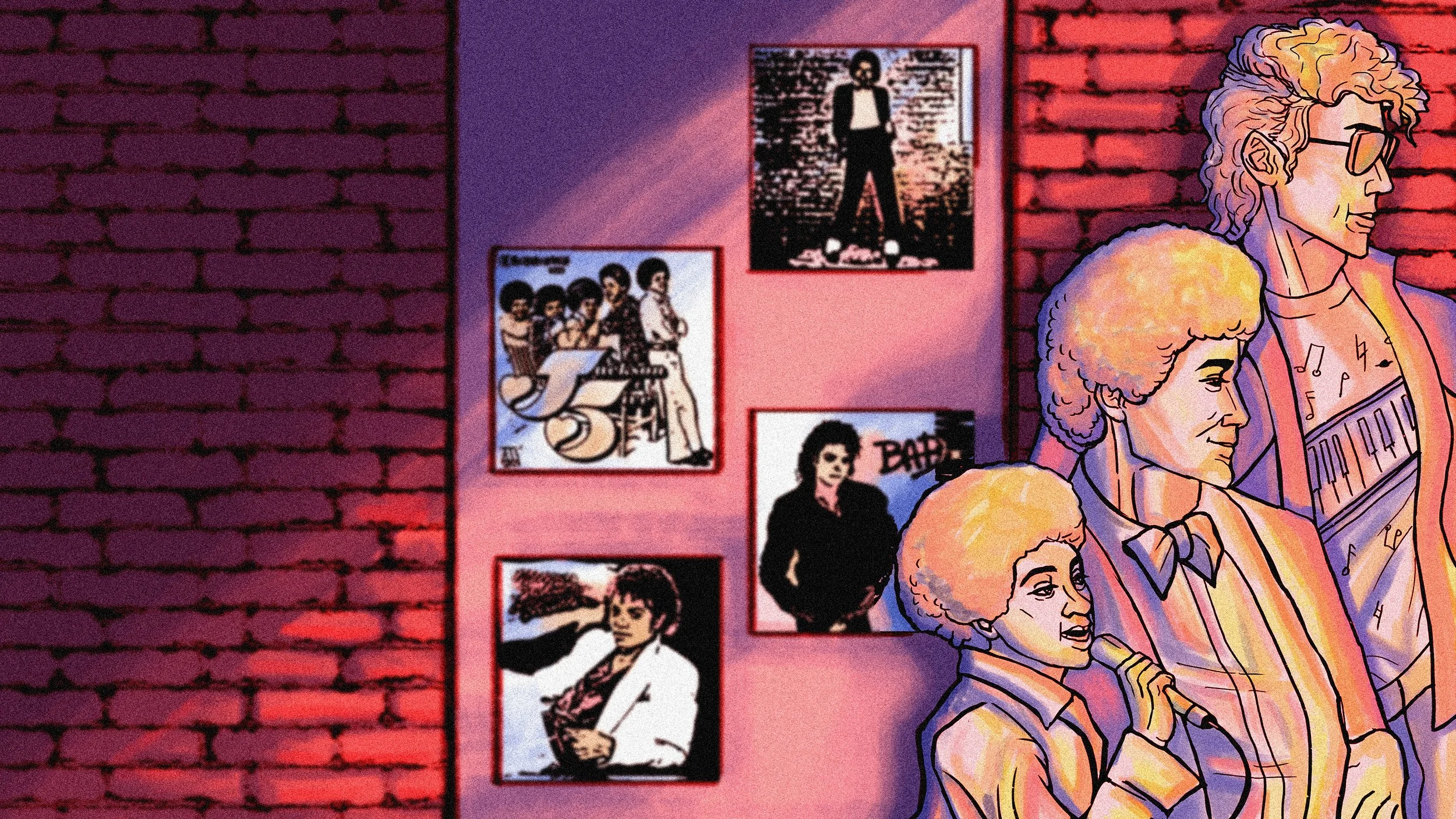
At the height of his fame, Michael Jackson was the most famous man alive. One of the most prolific entertainers of all time, 'Michael Jackson' is as much myth as he is man. Decades after his death, the public remains divided over what exactly that myth represents. So when Lionsgate attempted to bring Jackson's life to the screen, controversy was inevitable.

Make College a Choice Again
From the moment we enter high school, college is pushed on us in every assembly, every AP level class, and every extracurricular activity. Undertaking a Bachelor’s degree becomes an assumed inevitability rather than an academic or career step. For many, it becomes a delay; by staying in academia, they aren’t forced to enter the job market. The college preparation obsession in American high schools has led many students onto degrees without a proper assessment of their options post-high school. “Among recent high school graduates, fewer than half said their school prepared them for any option other than college or a job.” I was fortunate enough to know what I wanted to study by my senior year of high school but many high school students apply and commit to colleges without a clear vision. While I believe college can be beneficial in allowing students to engage with a wide-range of subjects, it’s a hefty price tag for a self-discovery retreat.
Don’t worry, No One’s Paying Any Attention Anyways
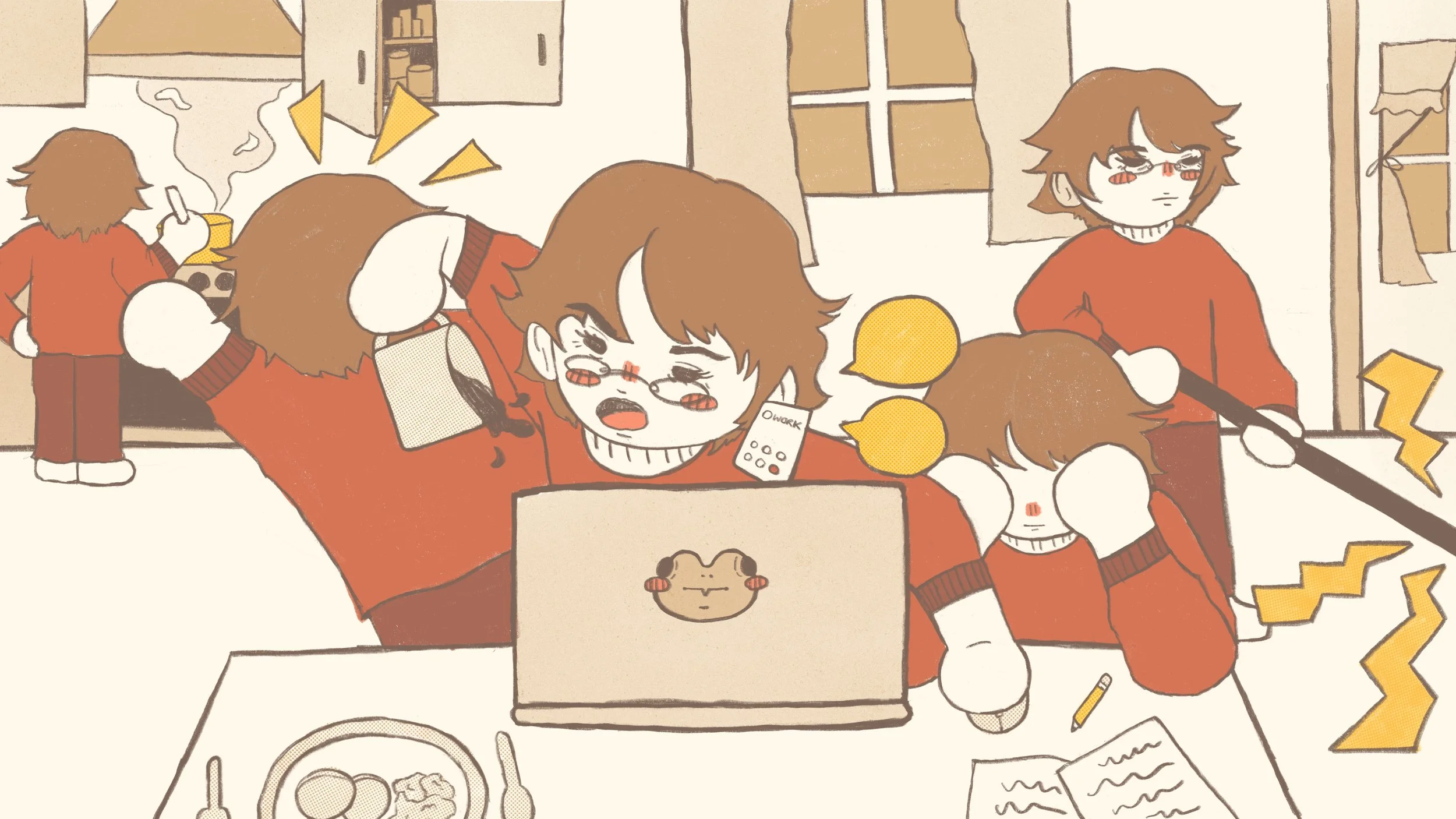
Expanded internet access and the ubiquity of smartphones have turned us into a society of glancers and scrollers; the potential to get ahead on messages or promote our work or enrich our knowledge buzzes frantically from our pockets at all hours. With such effortless access to so dazzling a breadth of resources, the compulsion to partake is consuming. Not picking up the phone means squandering an opportunity for self-improvement.

Computers can’t make Art—but you can
In 2026, this element of spontaneity and unmediated experience feels almost unfathomable. Instead of living through something, we’ve shifted into a society that constantly comments on what it means to live. Social media feeds are saturated with articles and think-pieces about how ‘phones are ruining our lives’ and how ‘being offline is the new cool’. The internet has a problem with constantly seeking the validation of everyone whilst simultaneously wanting to detach itself entirely.

Walking the Runway Through the Ruins of Journalism
That world no longer exists in the same way, and The Devil Wears Prada 2 is clearly aware of this. The film gestures repeatedly toward the instability of modern journalism through references to mass firings, evolving media, and the declining readership of publications like Runway. Yet these acknowledgments remain a bit weightless. The sequel never fully dramatizes the emotional, cultural, or economic devastation of this collapse. Instead, it repeatedly retreats into the familiar rhythms of workplace rivalry and backstabbing.
Why It’s Hard to Feel any Sympathy for the Rich
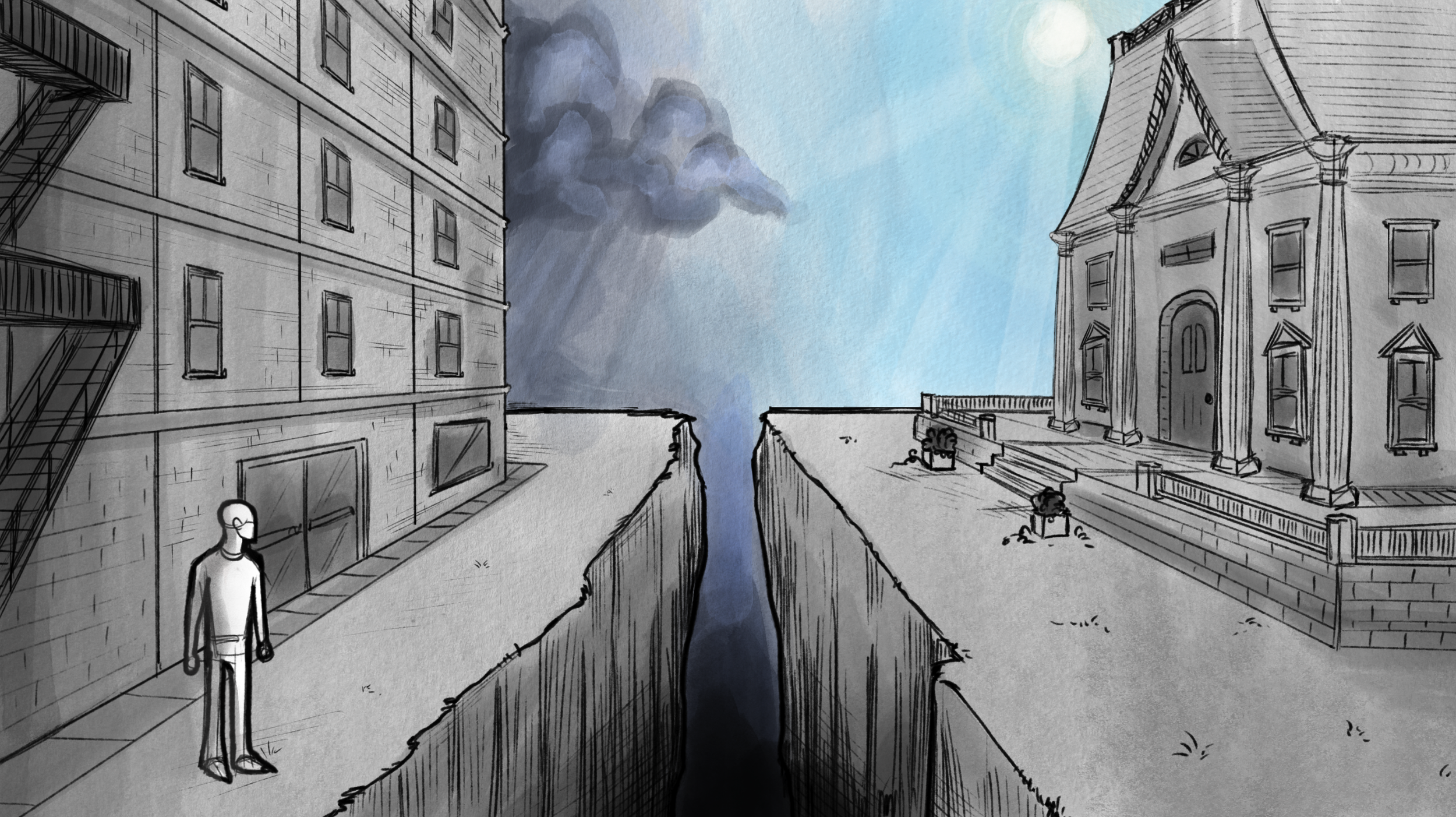
Over the last decade, inequality in America has transformed from an abstract policy issue into a daily sensory experience. Wealth is no longer hidden behind gates, country clubs, or quarterly earnings reports. It arrives algorithmically, flooding phones for hours a day: private jets, “what I eat in a day” videos filmed inside $20 million kitchens, celebrities discussing the trauma of fame from homes larger than hotels, executives describing layoffs as unfortunate but necessary market corrections while workers launch GoFundMes for insulin or funeral expenses.

DTF: St Louis: Where Middle Aged Malaise Meets Sexual Market Value
The show is gilded in the hallmarks of a murder mystery; it begins with a dead body in an abandoned pool house and then flashes back in time as the police in the present try to piece together alibis and motives. Under that Agatha Christy like coating, though, is a tender, earnest exploration into male friendships that ends in utter heartbreak. It’s not actually a murder mystery. It’s a love story.
Project Hail Mary: “The Most Unbelievable Theme Is Acceptance”
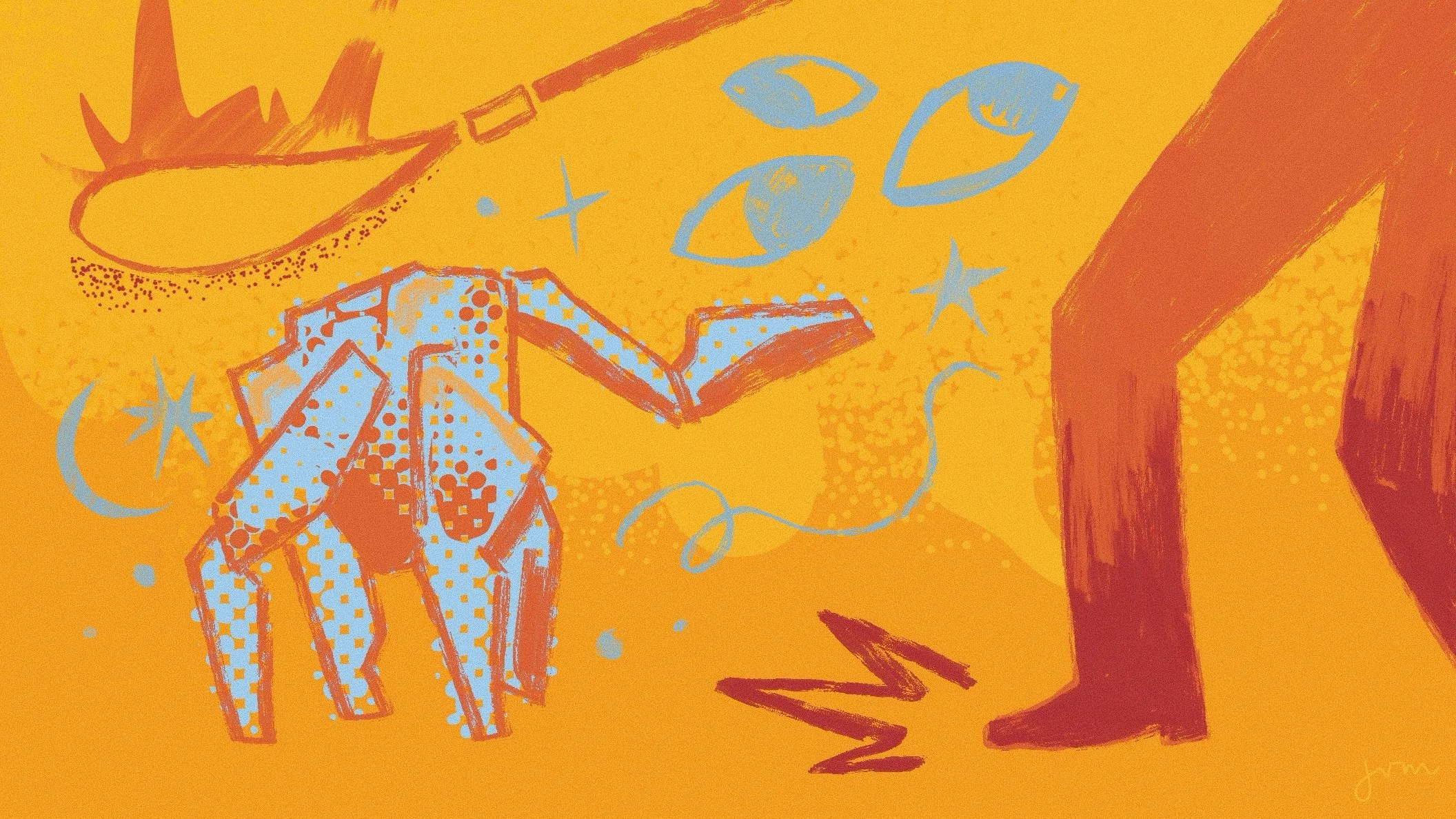
Unexpectedly, Grace finds himself next to an alien spaceship, where all but one of its inhabitants have died trying to also save their planet from the same threat. The ship's sole survivor, a rock-appearing figure Grace calls Rocky, teams up with the scientist to save their planets, launching a journey full of self-discovery, heartbreak, and at the root, a budding friendship that serves as an anchor to the film's ending when a tough choice needs to be made.
Movie Studios Think Your Kids Are Dumb
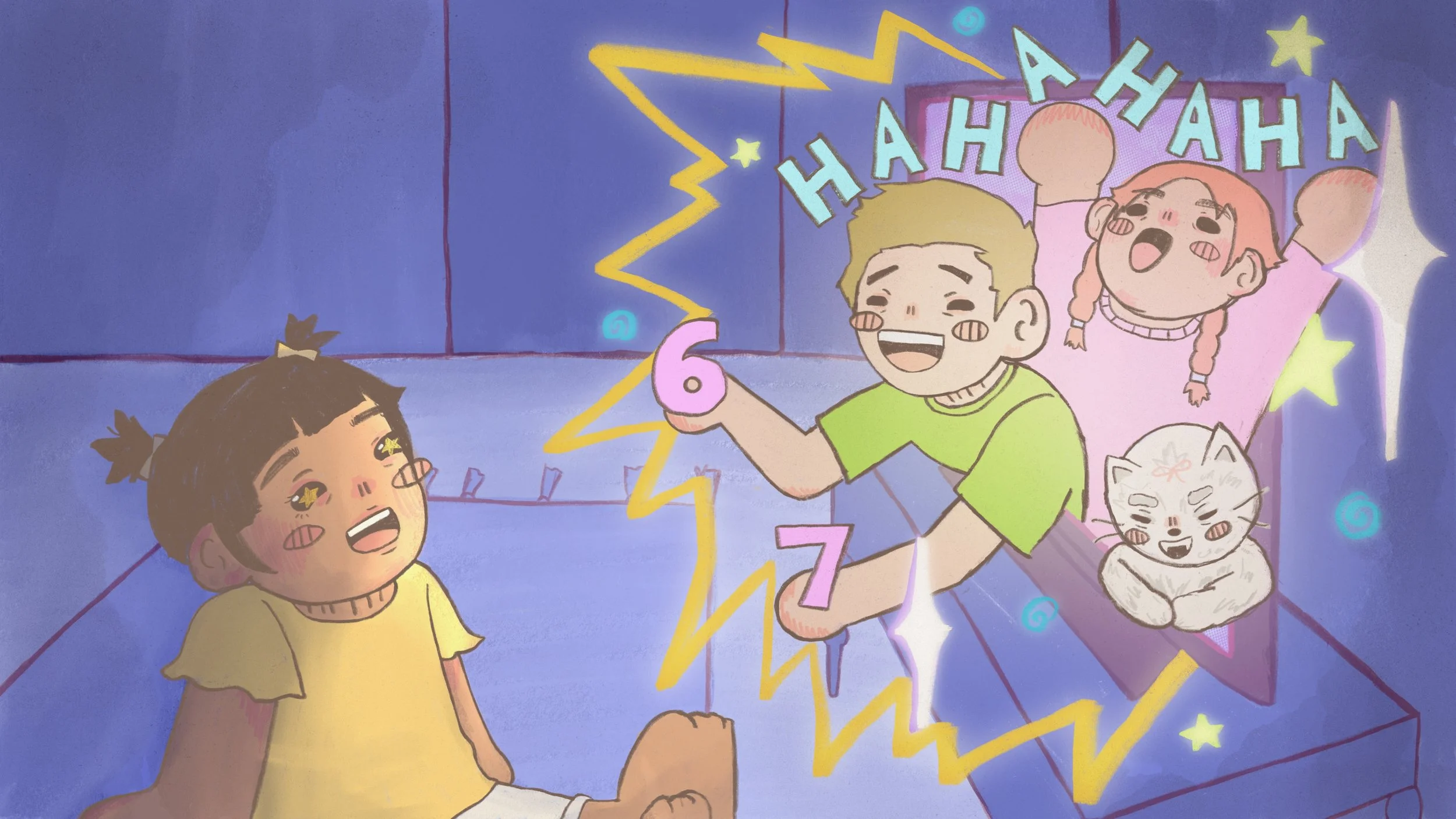
“Kids’ movies are just ads now” sounds like a lazy complaint until you actually watch what’s being put in front of them. But I have to realistically ask, do we want our kids growing up into critical thinking, emotionally intelligent adults or addicted, consumer driven gambling addicts? Because what Hollywood is creating for children these days is walking a fine line towards the latter and parent’s dollars are the say whether we allow it to continue that route or not.
The Drama of Gun Violence
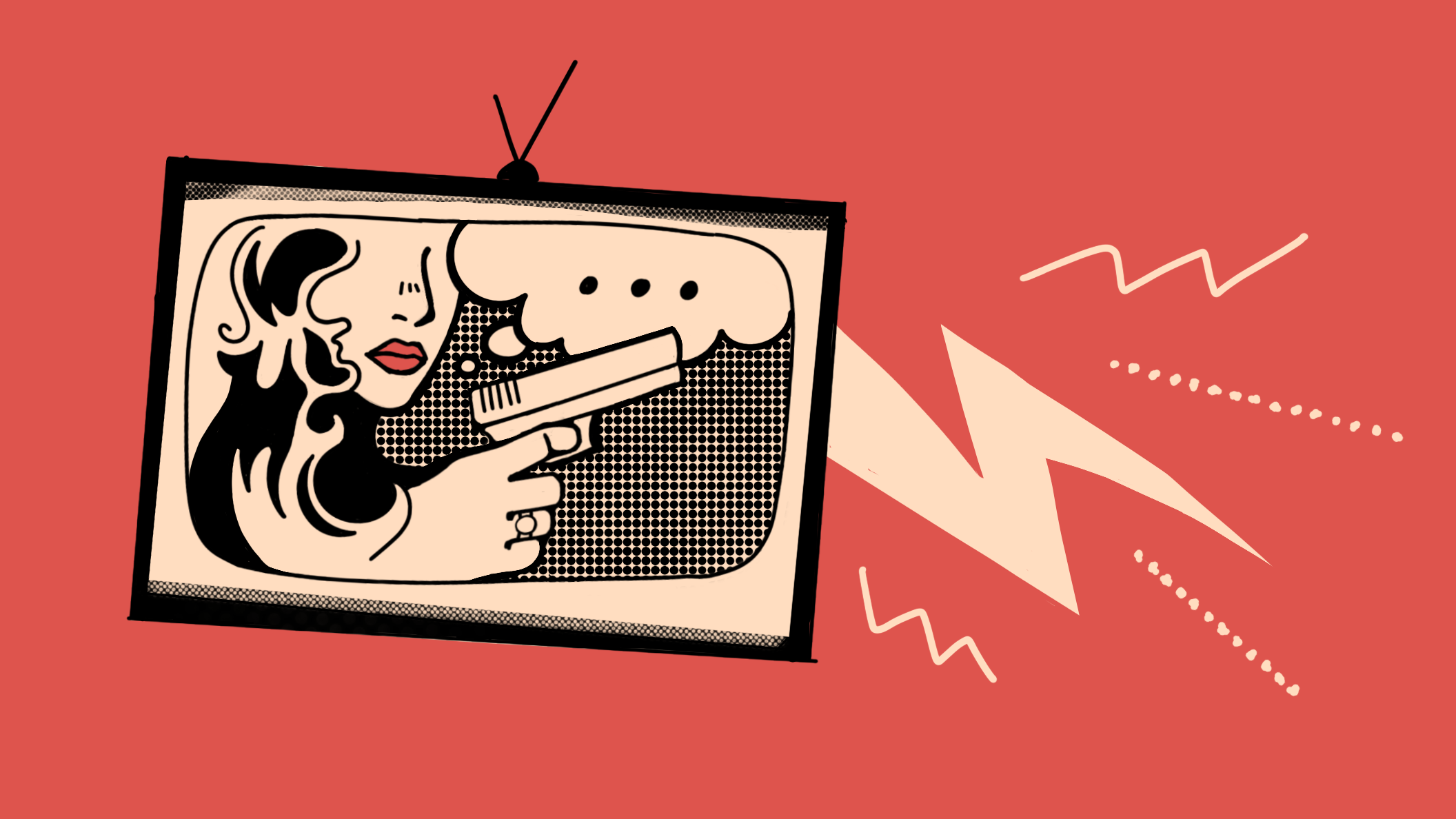
Charlie’s perspective is similar to Borgli’s as a Norwegian born filmmaker. There’s a distance in this film between the truth of gun violence and the story that’s being told, and that distance does the film a disservice. The nuance and discussion about gun violence has all the subtlety of a child lifting up rocks in the garden to gawk at the squirming bugs underneath. That is to say, Borgoli is using this twist just as a way to say, wow, isn’t this crazy?

The Last Place Aversion Theory
Basically, until there’s a mass recognition of the failed US wage market, there is no chance for reform. Until the hustle culture of American business is recognized for its abuses rather than its procurement of some mythical American Dream, wages will continue to stagnate as prices continue to rise…Last Place Aversion is experienced by those who have, or feel they have, no control over the system that's trapped them. And until a political movement shows promise for a full economic restructure, the American working class will continue as the ball in this economic tennis match.
Subversive Surrealism: From Breton to Teletubbies
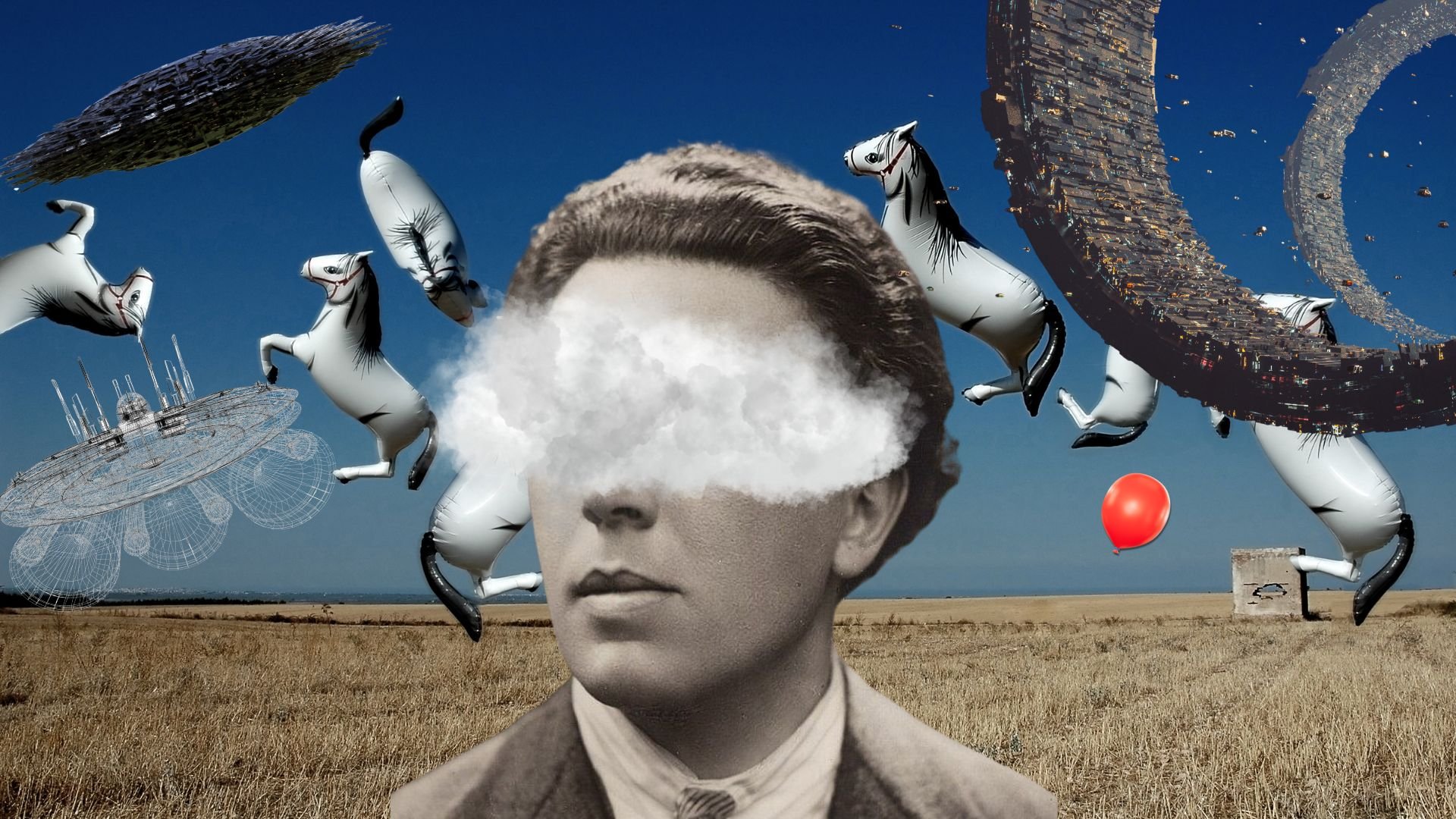
It makes sense that work geared toward the very young would be more surreal, as children (especially preverbal children) engage with the world in a pretty surreal way. To the very young, concepts we take for granted, like cause and effect and object permanence, are unfounded. The makers of Teletubbies worked hard to craft a show that approached scenarios in a way that felt natural to toddlers. What the show lacked in rationality, it made up for in aural and visual play. Like the whimsically amorphous figures painted by surrealist Joan Miro, the teletubbies and crew drift stochastically through their liminal environment, abiding by a logic typically restricted to our dreams.

You’ll Be Back
Upon Trump’s re-election, Hamilton’s “You’ll Be Back” has resurfaced in online political discourse, often repurposed, with many reminiscent parallels to an America defined by its instability and cultural divisions. In some cases, particularly in British commentary, the song is used to frame the United States as returning to a kind of historical pattern – echoing the language of colonial dependence and political disorder that once defined the relationship between Britain and its former colonies.
13 Going on 30? More Like 30 Going on 13
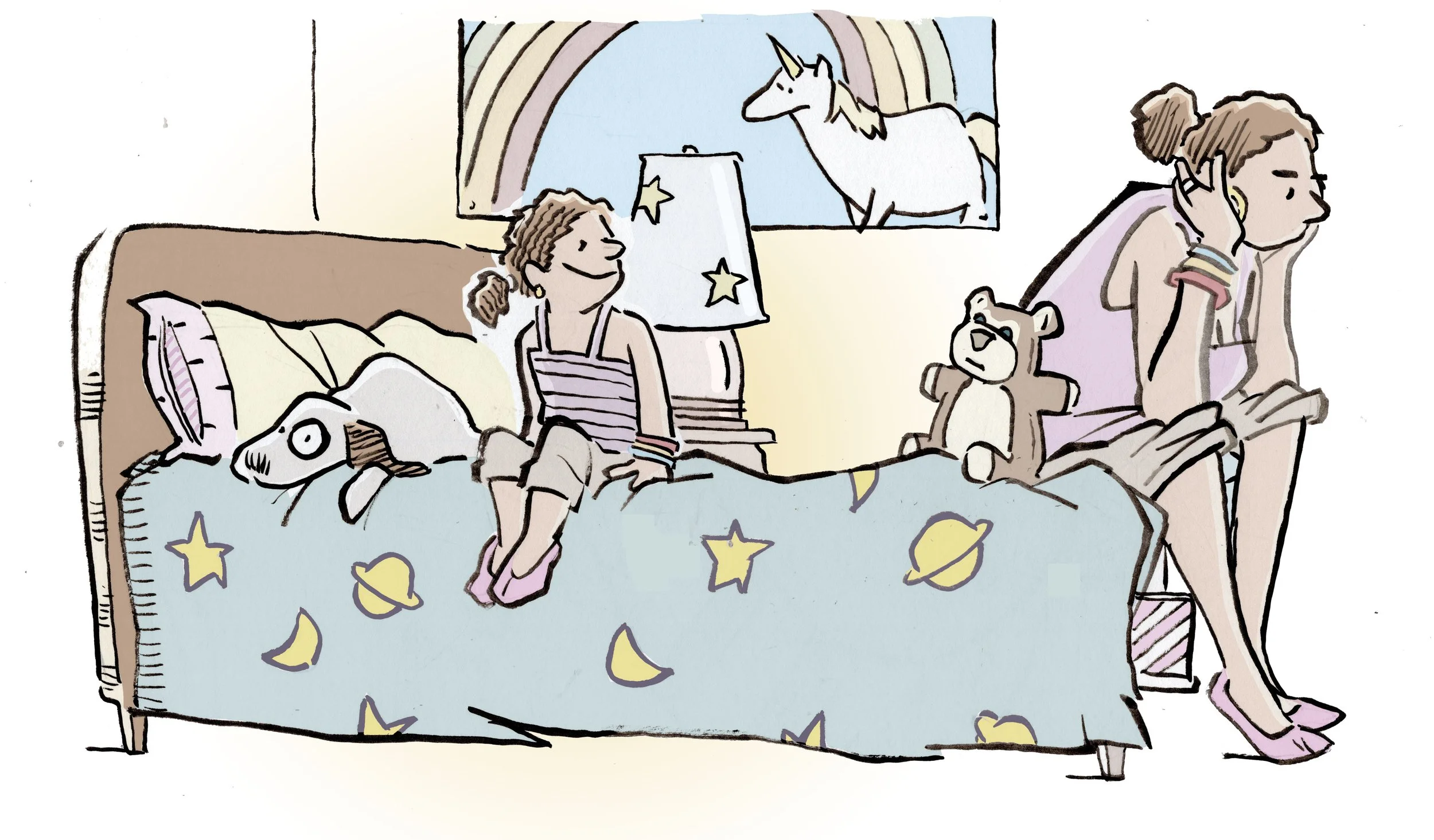
The recent talk of a reboot has brought the premise back into conversation, and with it, the cultural promise the film once rested on — that adulthood meant stepping into a world of possibility. Back then, the plotline read as charmingly impatient rather than anomalous, because adulthood was still imagined as a phase of life when things settled into place: independence, confidence, an apartment with matching furniture, a career that paid the bills, and a love that had finally sorted itself out. But now, that assumption feels a bit out of touch.
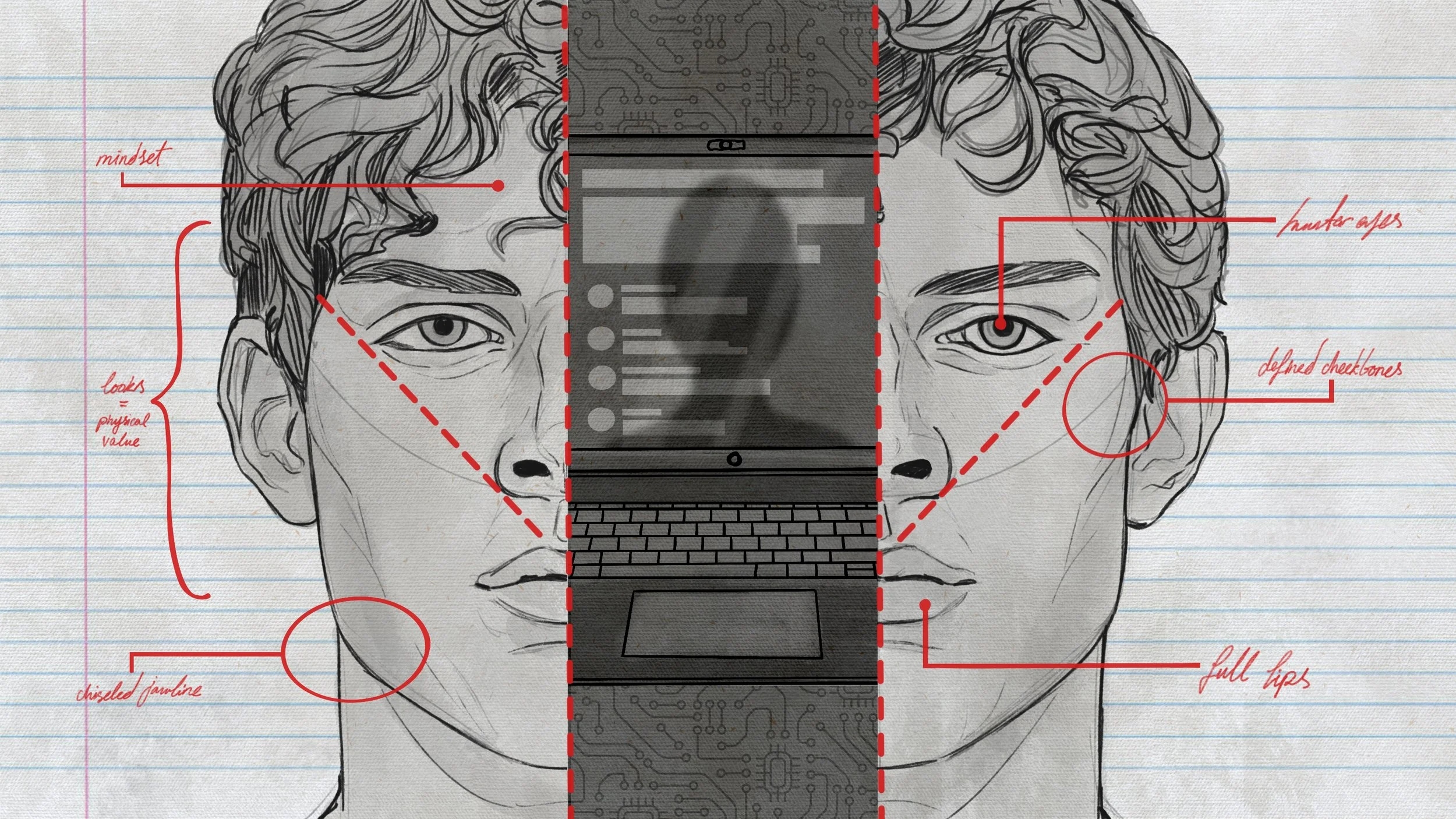
The Joke isn’t Funny Anymore
In the 21st century, loneliness is no longer defined by physical isolation, but by a constant proximity to others that never quite becomes connection. Young adults are increasingly raised in environments where social life is mediated through screens, where ‘connection’ is abundant but rarely reciprocal. The result is not just isolation, but a distortion of what it means to be valued. Emerging online figures like Clavicular are less anomalies than early indicators of what prolonged digital isolation can produce.