

Second
Thoughts
A home for personal meditations, critiques of art and literature, politics, sketches, and deconstructions that dive beneath the surface of thought. Experiment with form here, relate with current events, read and talk about a book you’ve never read or perhaps want to read, and criticize something, anything, everything.
No Matter What, He Must Step Down
Found guilty? We’ve let another attain a position of federal power. Found innocent? Democrats lose all ethical standing to prosecute for the Epstein files. Platner staying in this race, whether he has support from his party or not, sets a precedent that I’m not sure can ever be undone.

The Last Place Aversion Theory
Basically, until there’s a mass recognition of the failed US wage market, there is no chance for reform. Until the hustle culture of American business is recognized for its abuses rather than its procurement of some mythical American Dream, wages will continue to stagnate as prices continue to rise…Last Place Aversion is experienced by those who have, or feel they have, no control over the system that's trapped them. And until a political movement shows promise for a full economic restructure, the American working class will continue as the ball in this economic tennis match.
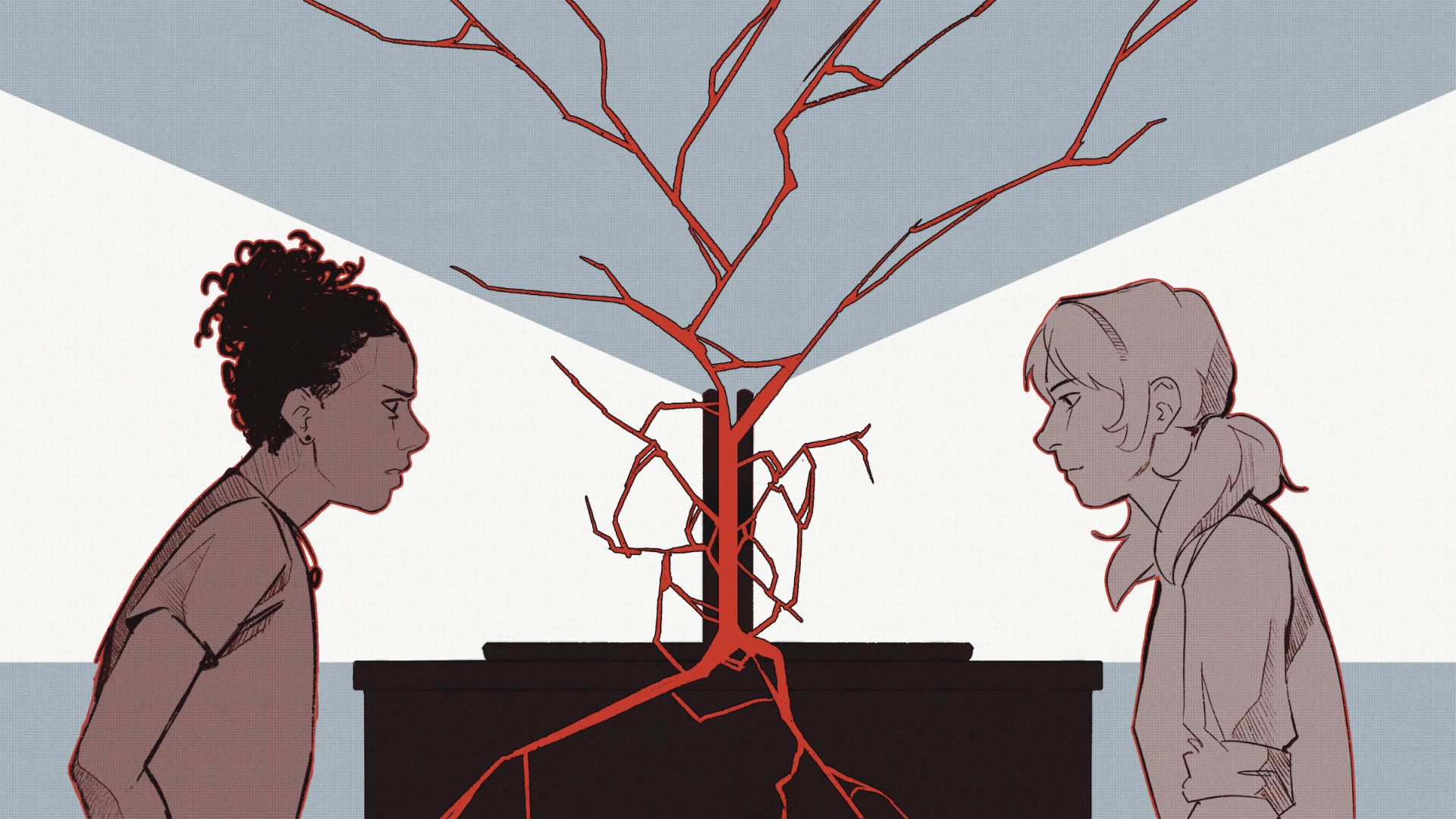
What One Unmuted Call Said About Segregation in NYC
One Black eighth grader was in the middle of pleading against her school's potential closure when Allyson Friedmans’ voice, unmuted on the call, boomed through. “They’re too dumb to know they’re in a bad school,” said Friedman, an associate professor of biological sciences at CUNY Hunter College, where 11.5% of the undergraduate students are Black. “I mean, apparently Martin Luther King said it, like if you train a Black person well enough, they'll know to use the back, you don't have to tell them anymore."

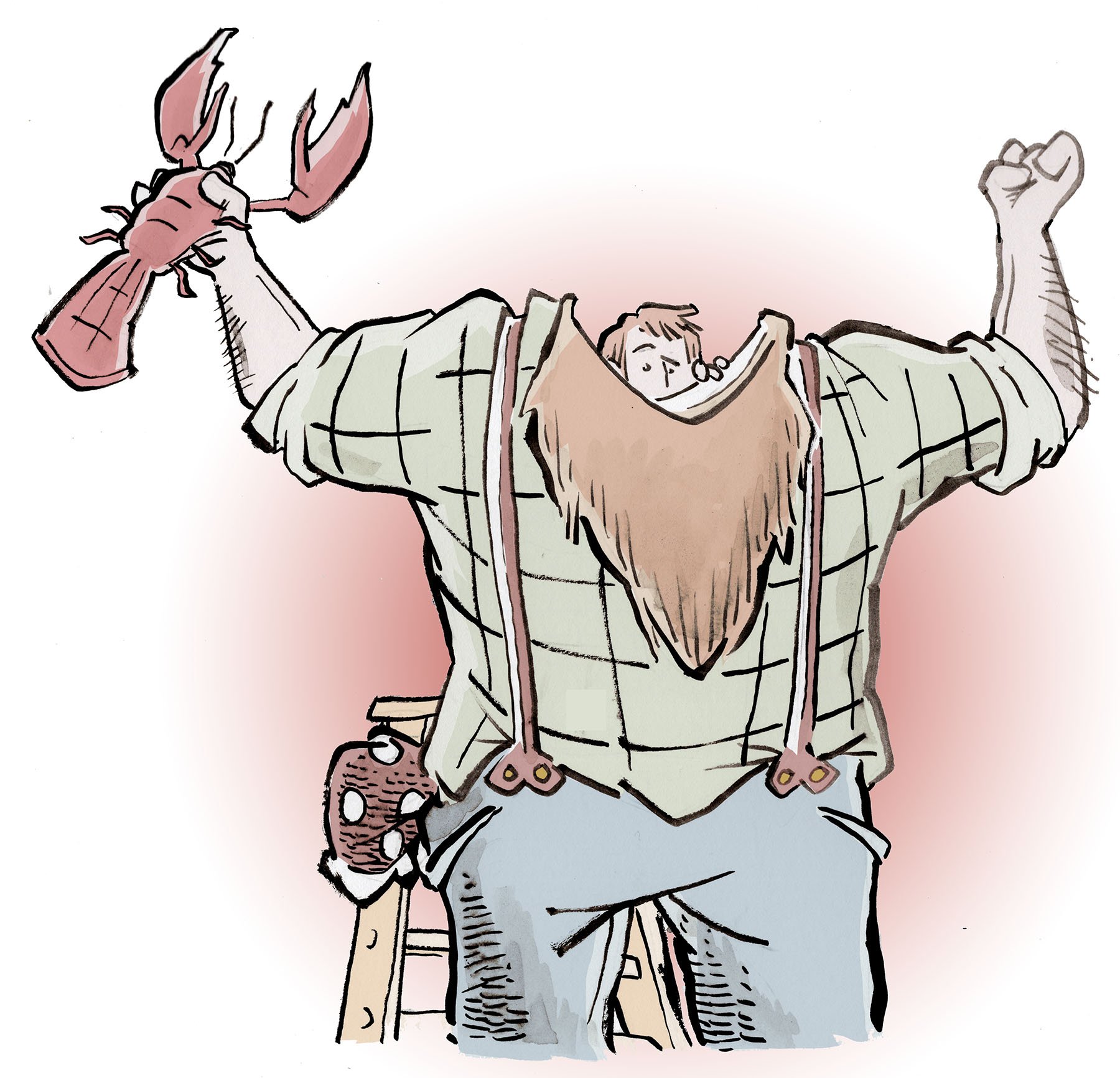
J.D. Vance and the Façade of Masculinity in the Republican Party
The 2000s ushered in a progressive discussion on gender and sexual orientation and has since challenged social signifiers of what it means to be a man. It has thrown confusion into a vat of insecurity for those whose identity rests in material, surface level traits. In an effort to combat this, conservatives have reclaimed antique signifiers to masculinity; manliness has been pushed to the extreme. Any hint of emotionalism, the acceptance of women as equals, or physical weakness is considered a betrayal to the inherently ‘masculine.’